
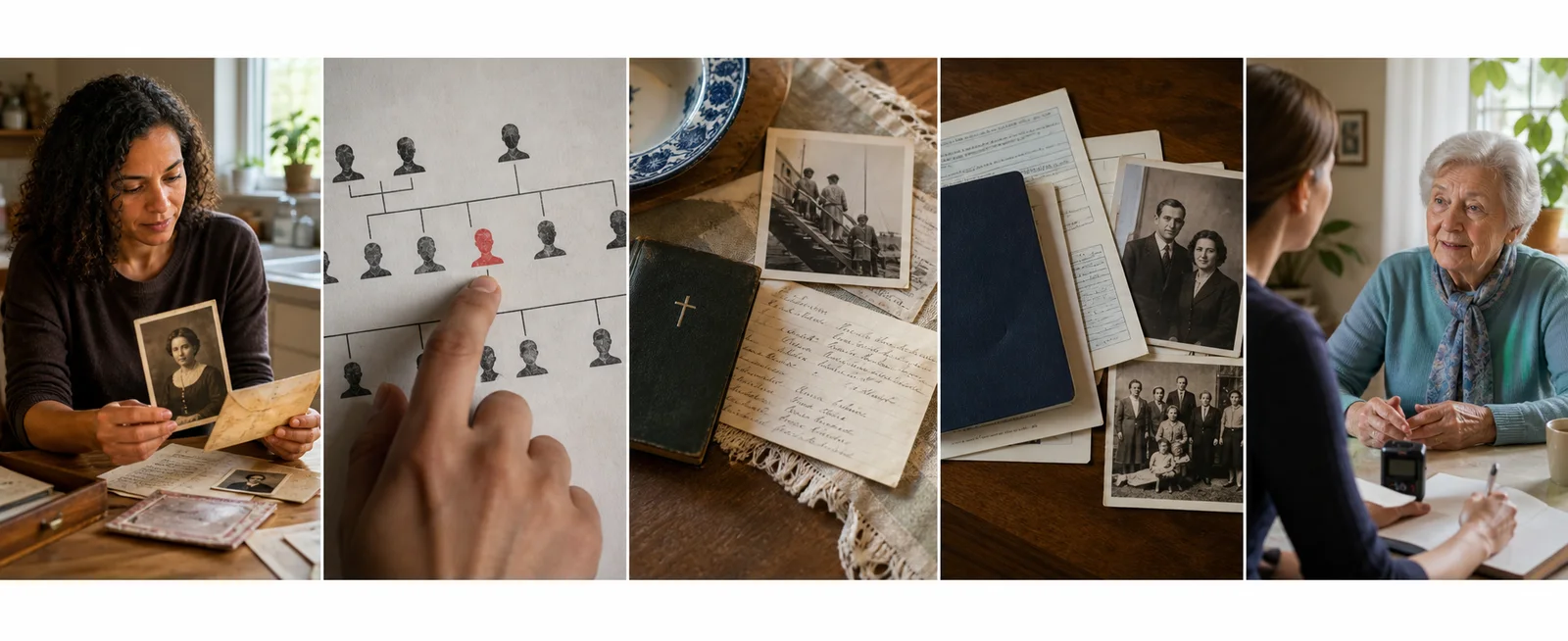
On this pageFour different questions hiding inside “How German am I?”
When a grandparent came from Germany, the connection is close enough to shape family life in visible ways: a language heard at home, a recipe, a church, a surname, a migration story or a set of expectations about work and family. In other families, almost all of that disappears within one generation.
Both families still have German ancestry. What differs is how much culture and memory survived.
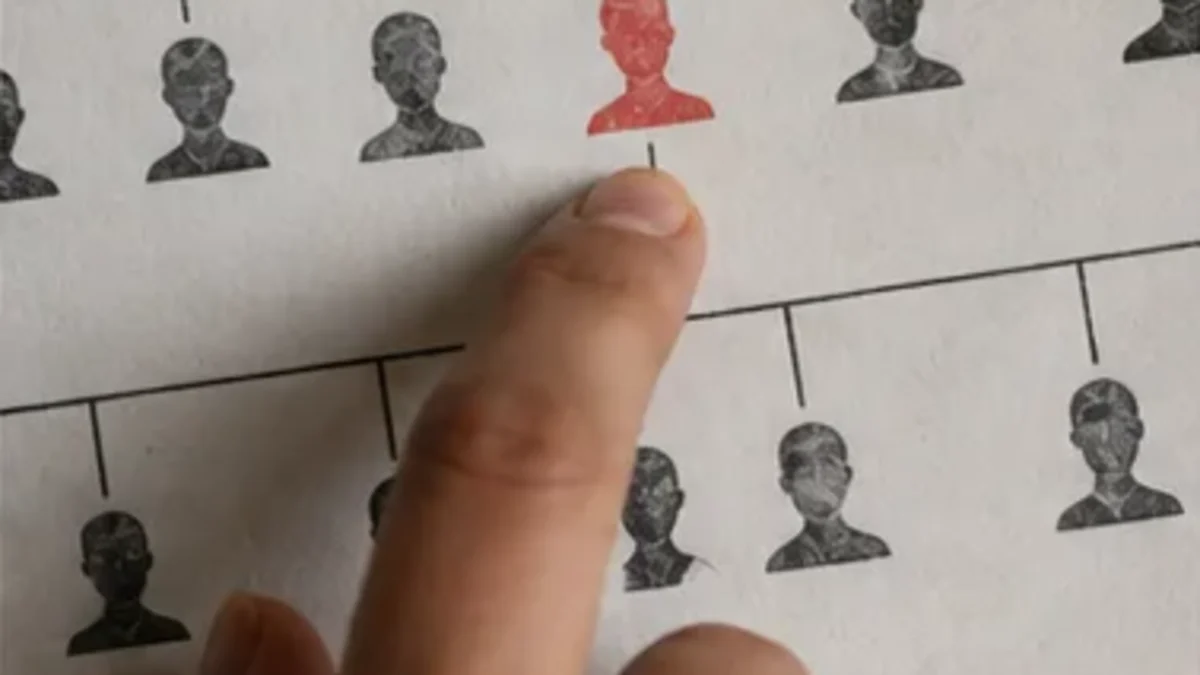
Four different questions hiding inside “How German am I?”
Terms that should not be collapsed into one
- Ancestry
- Your line of descent. A German-born grandparent gives you a direct German ancestral connection.
- Heritage
- The stories, customs, language, values, objects and places carried through the family.
- Nationality or citizenship
- A legal relationship with a country, established under that country's laws.
- Identity
- The personal or social language you use to describe who you are and where you belong.
A reader asking this question may really mean one of four things:
- Is German ancestry part of my family tree? Yes.
- Am I legally German? That requires a legal review.
- Did I grow up with German culture? Only your family experience can answer that.
- Am I allowed to care about this part of my roots? Yes, without pretending to know more than you do.
Separating those questions removes much of the anxiety.
Is one German grandparent “enough”?
Enough for what?
One German grandparent is enough to make German ancestry part of your family history. It may also be enough to create a powerful cultural connection if that grandparent raised you, spoke German with you or kept family traditions alive.
But family influence is not distributed like a pie chart. A grandparent who told stories every weekend may shape you more than an ancestor who appears as a larger percentage in a DNA estimate but left no surviving memory.
The better question is not whether one grandparent counts. It is what came through that relationship.
What if both grandparents were German?
Two German grandparents often means one side of a person’s family came directly from Germany. People sometimes call that “half German” in an informal genealogical sense.
That phrase can be convenient, but it still does not measure culture. One person may grow up bilingual and visit relatives in Germany. Another may know only the grandparents’ names. Their family-tree relationships may look similar while their lived heritage feels completely different.
This is why German Ancestry vs. German Heritage is a useful distinction: descent and cultural transmission overlap without being identical.
Does a German grandparent make you a German citizen?
Not automatically.
Citizenship by descent can depend on several details, including whether the ancestor held German citizenship, whether that citizenship was lost, the dates and places of births and marriages, and the law in effect at each point in the family line.
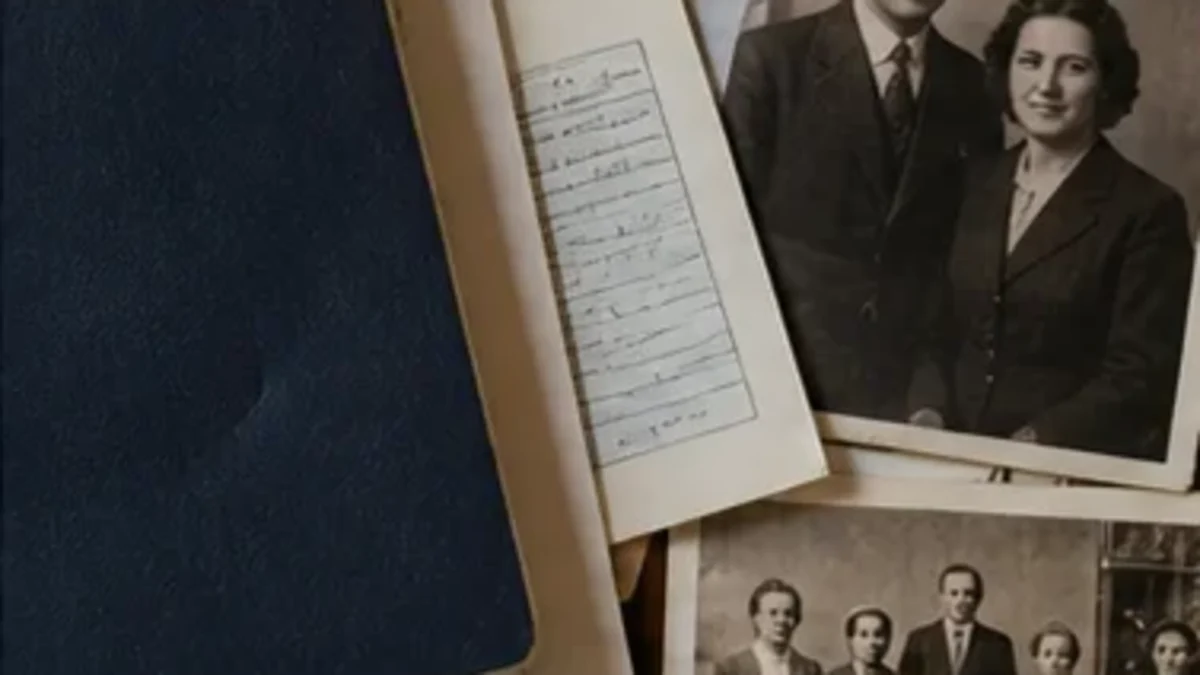
An editorial article cannot determine eligibility from one sentence. Use official German government guidance and gather original documents before drawing conclusions. Naturalization files, birth certificates, marriage records and passports may all matter.
For a broader vocabulary, see German Nationality, Ancestry and Identity Explained.
What if your grandparents did not pass down the language?
Language loss is common in immigrant families. Parents may choose English to help children fit in, avoid discrimination or succeed at school. Sometimes German survives only in prayers, food names, terms such as Oma and Opa, or a family joke nobody translates anymore.
The loss is real, but it does not erase the relationship. It simply means reconnection should begin with curiosity rather than performance.
You do not need to imitate a stereotype of Germany. Start with your grandparents’ actual region, generation and circumstances.
A practical way to reconnect
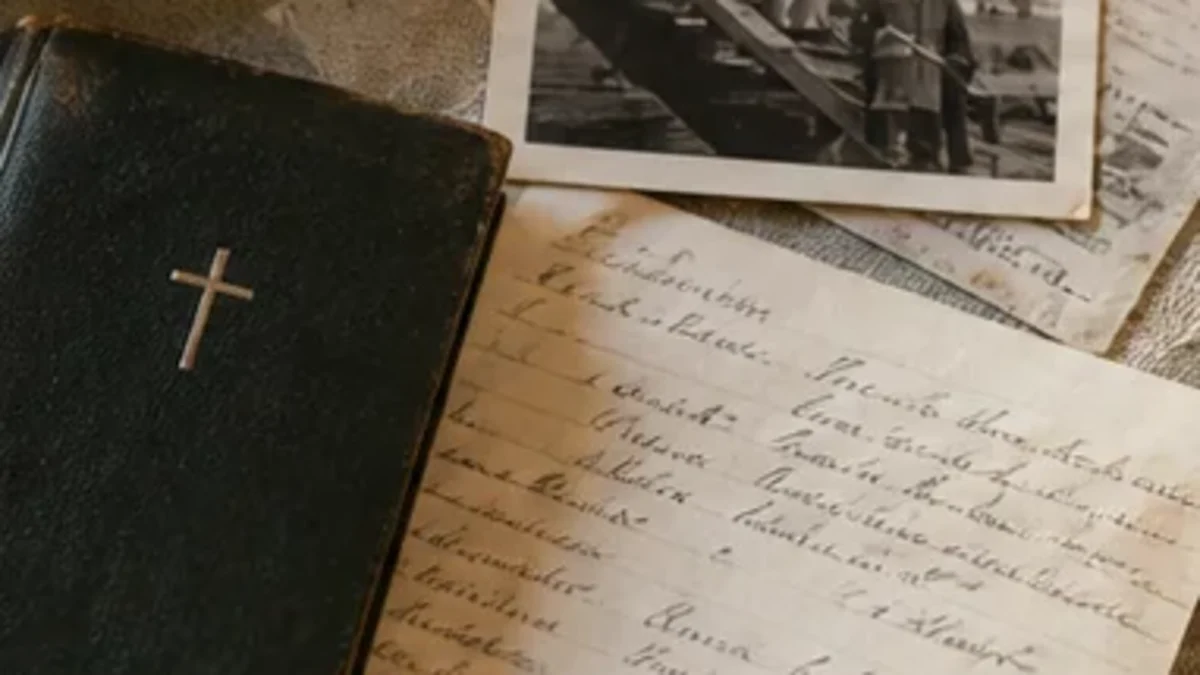
- Write down each grandparent’s full name, including earlier spellings.
- Record birth, marriage, migration and naturalization dates.
- Ask relatives what they remember before searching online.
- Save photographs, letters, recipes and labels with context.
- Identify the specific town or region, not only “Germany.”
- Learn how borders and place names changed.
- Study one family tradition rather than collecting generic symbols.
- Treat DNA as a clue, not a verdict.
National Archives naturalization and immigration records can help document where an ancestor came from and when legal status changed. Family stories remain valuable, but label them as memory until records confirm them.
What should you call yourself?
Use the description that is both comfortable and accurate.
“I have German ancestry” is precise in almost every setting. “My grandparents came from Germany” is even more specific. “German-American” may fit when German heritage forms part of your American family identity. “German” may feel natural inside a family or community, while in an international conversation it may be understood as a claim about nationality or residence.
Context matters. Precision is not a rejection of heritage; it is a way of honoring it.
You do not need permission to learn
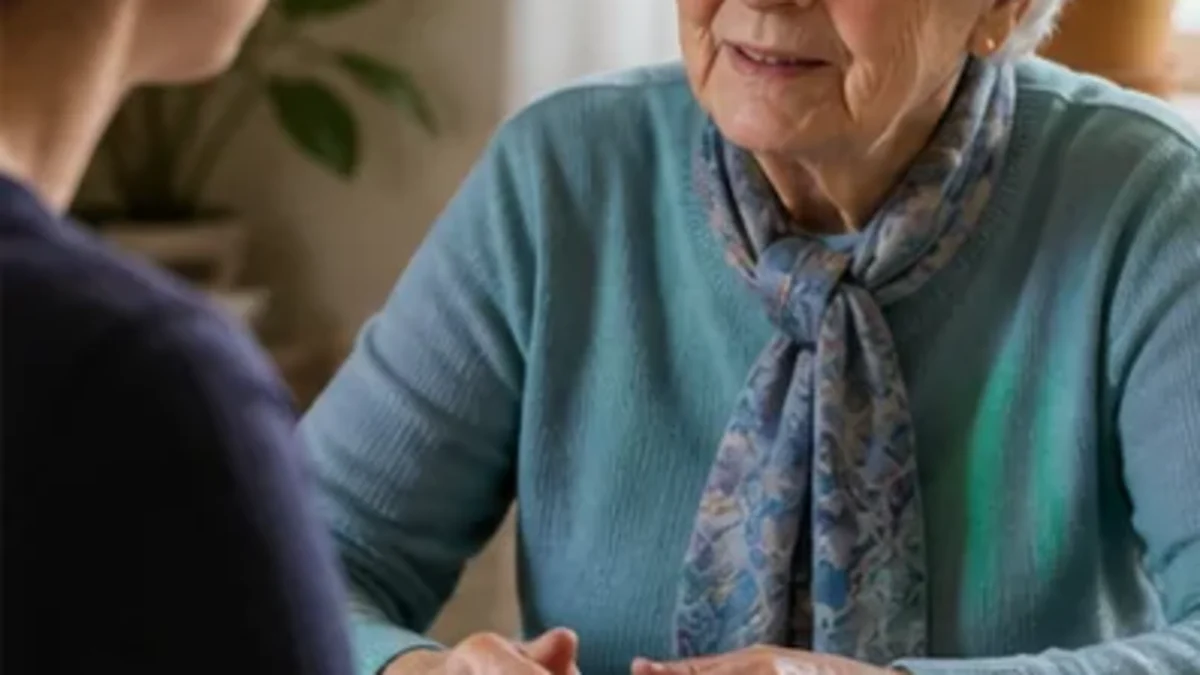
A person can overstate a connection, but they can also become so afraid of being judged that they avoid their own family history. Neither extreme is useful.
You can say what you know, acknowledge what you do not know and keep learning. Your grandparents’ story is close family history. It deserves attention without requiring you to pass an authenticity test.
Sources
- U.S. Census Bureau, “About Ancestry.”
- National Archives, “Naturalization Records.”
- U.S. Citizenship and Immigration Services, citizenship and naturalization guidance.
Frequently asked questions
Common questions
Am I German if my grandparents were born in Germany?
You have German ancestry. Whether you call yourself German, German-American or American with German roots depends on legal status, culture, family experience and personal comfort.
Does one German grandparent count as German heritage?
Yes. One grandparent can be an important and meaningful part of your family heritage. Heritage is not a competition between percentages.
Can I claim German citizenship through a grandparent?
Possibly in some circumstances, but ancestry alone is not enough to answer the legal question. Eligibility depends on documentation and the citizenship law that applied across generations. Check official German authorities.
What if my family stopped speaking German?
Language loss is common in immigrant families. It does not erase ancestry, and you can reconnect through records, stories, regional history, recipes, music or language study.