
On this pageWhat a DNA ancestry percentage actually represents
A result such as “32% Germanic Europe” looks precise. The number has a decimal-like authority, and it is easy to treat it as a final answer to “How German am I?”
It is not.
The estimate can be useful, but it answers a narrow genetic question. German heritage is a much larger human story.
What a DNA ancestry percentage actually represents
Four terms that are often confused
- Genetic ancestry
- A statistical estimate of how portions of a person's DNA relate to reference populations associated with geographic origins.
- Genealogical ancestry
- The people in a documented family tree, whether or not identifiable DNA from every ancestor remains.
- Heritage
- The culture, memory, language, traditions, places and meaning carried through a family or community.
- Identity
- How a person understands and describes belonging; it is shaped by experience and society, not calculated from DNA alone.
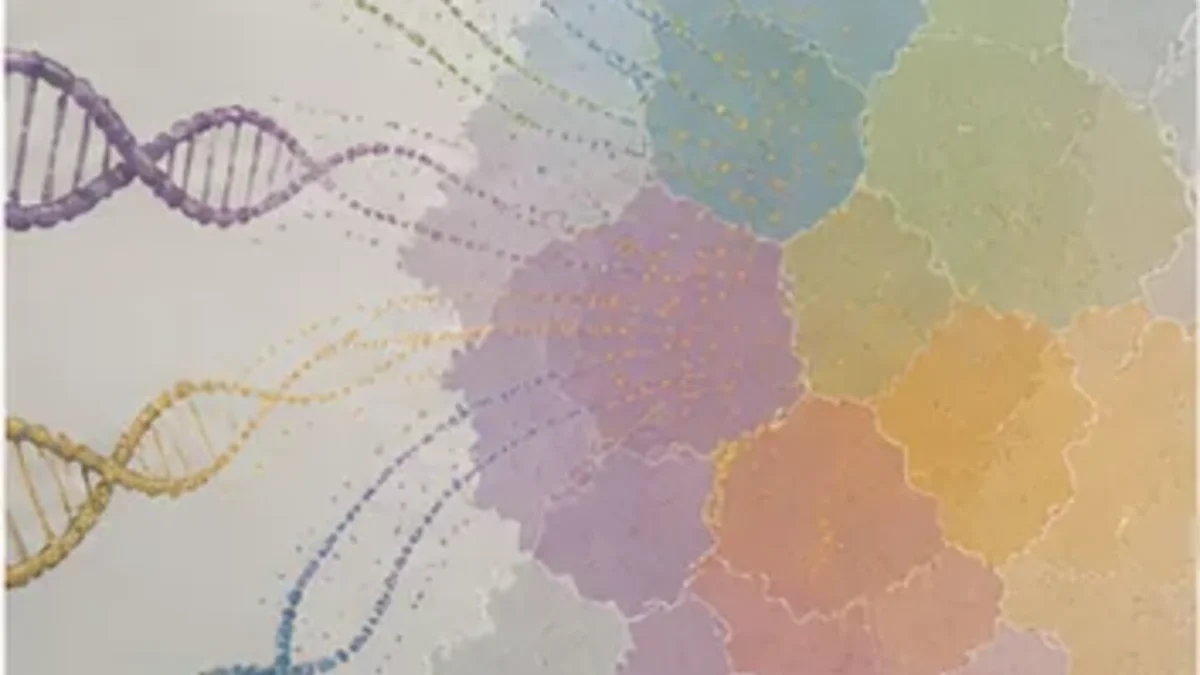
Consumer ancestry services examine many genetic markers and use statistical models to compare them with people in reference datasets. The service then labels segments or patterns according to the categories it has created.
That process involves choices: who is included in a reference group, how regions are drawn, how neighboring populations are separated and how uncertain results are displayed. The National Human Genome Research Institute notes that genetic ancestry is a statistical estimate based on available data and may not be consistent across studies.
So the percentage is not a direct reading of a “German gene.” It is a model’s interpretation of genetic patterns.
Why “German” is especially difficult to draw as a genetic boundary
Modern countries have political borders. Human populations do not stay neatly inside them.
People moved, married and traded across Central Europe for centuries. German-speaking communities existed beyond the borders of modern Germany, while the territories inside Germany belonged to different kingdoms, duchies and states before unification.
A testing service may group similar DNA under labels such as Germanic Europe, Central Europe, Northwestern Europe or a more specific community. Another service may draw the boundary differently.
That does not mean one result is fraudulent and another is perfect. It means regional ancestry is being estimated across populations with shared and overlapping histories.
Why your percentage can change
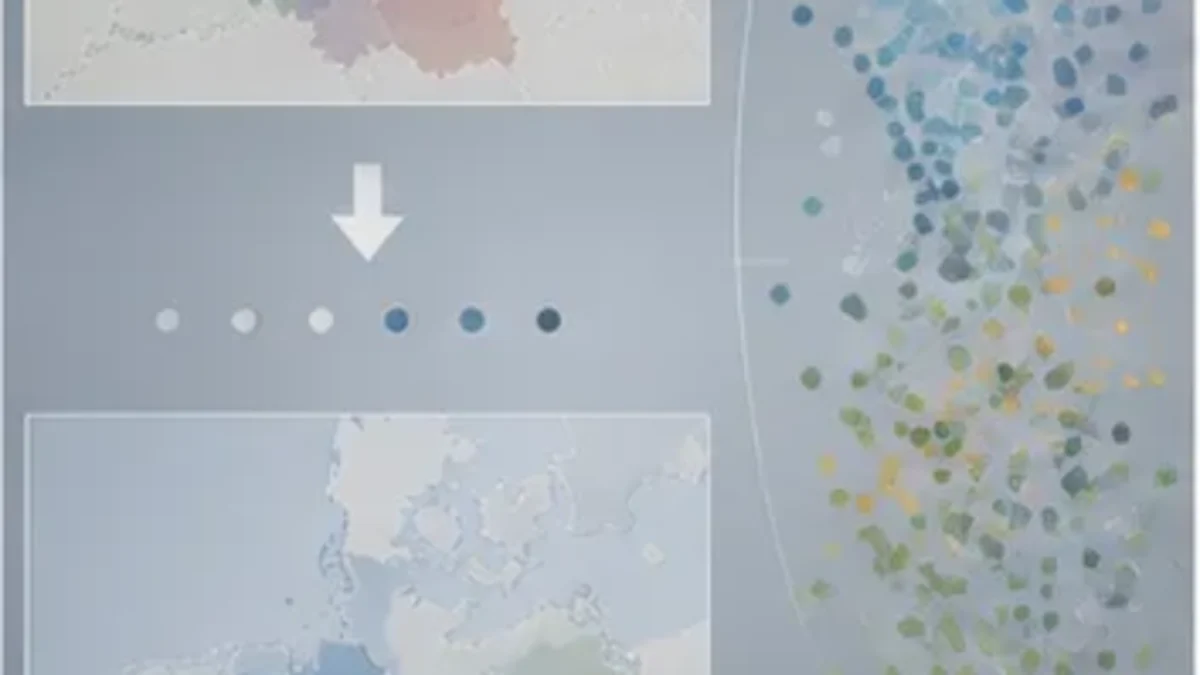
Your DNA sequence does not change when an ancestry dashboard updates. The interpretation changes.
A company may:
- add more people to its reference dataset;
- divide one broad region into smaller regions;
- merge categories that cannot be separated reliably;
- change the algorithm that assigns segments;
- revise confidence thresholds;
- rename a category.
A change from 28% to 17% therefore does not mean part of your family disappeared. It means the model now classifies the evidence differently.
Why siblings can receive different estimates

Most siblings inherit different mixes of DNA from the same parents. A genealogical family tree is not divided into perfectly equal genetic packages.
You have four grandparents in a family-tree sense, but you do not receive a tidy, test-confirmed 25% from each one. Recombination shuffles DNA each generation. More distant ancestors may appear unevenly in descendants, and some may leave no clearly identifiable segment in a particular person.
Testing algorithms can also classify borderline segments differently. That is why siblings may receive different regional percentages without either result disproving the family relationship.
What zero percent does—and does not—mean
A zero or missing German category does not automatically disprove a documented German ancestor.
Possible explanations include:
- the ancestor is distant and you did not inherit identifiable segments;
- relevant segments are labeled as a neighboring region;
- the reference dataset cannot distinguish the population precisely;
- the family came from a historically mixed border region;
- the paper trail or oral history contains an error.
The last possibility should not be ignored, but neither should it be assumed. Use DNA as one line of evidence and compare it with records.
DNA ancestry is not the same as a family tree
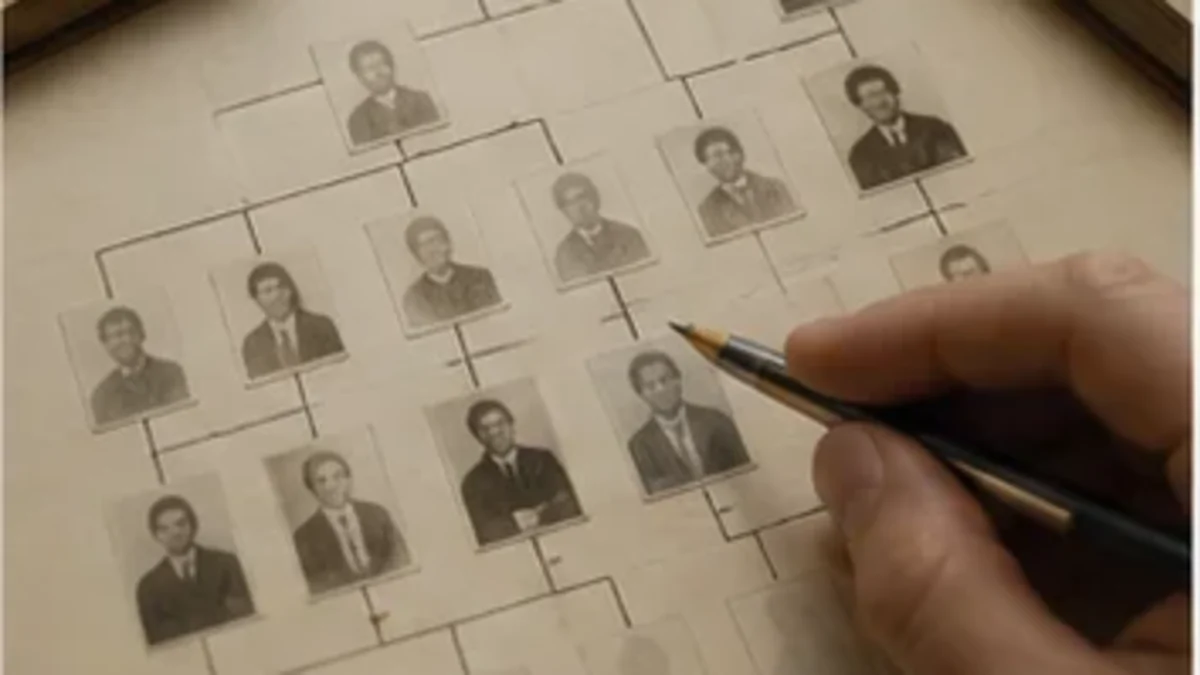
A family tree records relationships. DNA records only the genetic material that reached you.
Every generation doubles the number of genealogical ancestor positions, but inherited DNA becomes increasingly uneven. That is why documentary genealogy and genetic genealogy answer related but different questions.
Naturalization records, passenger lists, civil records and church registers may identify a German ancestor even when an ethnicity estimate does not display a German category. DNA matches may then help confirm a branch more effectively than the headline percentage.
DNA cannot measure German heritage
Heritage may include an Oma who raised you, a regional dialect, a Christmas recipe, letters from relatives, a family business, a migration story or a town in Texas founded by German immigrants.
No saliva sample can assign a percentage to those things.
A person with a high Central European estimate may know nothing about German family history. Another with a small estimate may have grown up speaking German with a grandparent. The percentage does not rank the authenticity of either person’s experience.
For the larger distinction, see German Ancestry vs. German Heritage.
DNA cannot establish nationality or citizenship
Citizenship is a legal status. It is established through laws and documents, not a consumer ethnicity estimate.
A DNA result cannot prove that an ancestor retained German citizenship, that citizenship passed to later generations or that a person is eligible today. Those questions require official records and current legal guidance.
German Nationality, Ancestry and Identity Explained separates those categories in detail.
Use ancestry testing carefully
Direct-to-consumer testing can reveal unexpected biological relatives or family relationships. Before testing, consider:
- whether you are prepared for surprising results;
- how the company stores and uses genetic data;
- whether your results may affect relatives who did not test;
- whether you understand deletion and consent options;
- whether you need professional support for a sensitive discovery.
This is not a reason to fear the tool. It is a reason to treat genetic data as personal information rather than entertainment alone.
A better way to interpret your result
Use three columns:
- What the test estimates: regional genetic similarity and DNA matches.
- What records establish: named relatives, dates, places and legal events.
- What your family carried: language, stories, customs, relationships and identity.
The strongest family history brings those columns together while keeping their limits visible.
A DNA estimate can open a door. It should not stand at the door and decide whether you are German enough to enter.
Sources
- National Human Genome Research Institute, “Genetic Ancestry.”
- National Human Genome Research Institute, “Use of Population Descriptors in Genomics.”
- National Human Genome Research Institute, “Direct-to-Consumer Genetic Testing FAQ for Healthcare Professionals.”
Frequently asked questions
Common questions
Why did my German DNA percentage change?
Testing services may update reference groups, algorithms and category labels. The underlying DNA did not change; the interpretation did.
Can siblings receive different German ancestry estimates?
Yes. Except for identical twins, siblings inherit different mixes of DNA from their parents, and statistical classification can also differ.
Does zero percent German mean my family story is wrong?
Not necessarily. You may not have inherited identifiable segments from a distant ancestor, the service may classify them under a neighboring region, or the documentary story may need more research.
Can DNA prove German citizenship?
No. Citizenship is a legal status established through law and documents, not a consumer ancestry percentage.