On this pageFestbier and Märzen are related, not interchangeable
“Oktoberfest beer” does not mean exactly the same thing on every shelf. At Munich’s Oktoberfest, the beer is a pale, smooth festival lager brewed by six eligible Munich breweries. In the United States, the same seasonal wording may point to a golden Festbier or a darker amber Märzen. Read the style name and description; the orange leaves on the package cannot settle the question for you.
This guide explains the category rather than ranking brands. It also keeps Munich’s protected festival usage separate from the broader way American breweries and retailers use “Oktoberfest.”
The terms that prevent most confusion
- Festbier
- A pale-to-gold German festival lager with a smooth malt center and a clean, balanced finish.
- Märzen
- An amber-to-reddish lager with a stronger toasted-malt impression and a somewhat richer feel.
- Wiesnbier
- A common way to refer to beer associated with the Wiesn, the local name for Munich's Oktoberfest grounds and festival.
- Maß
- The one-liter mug and serving measure familiar at Munich Oktoberfest; pronounced roughly like 'mahss.'
Festbier and Märzen are related, not interchangeable
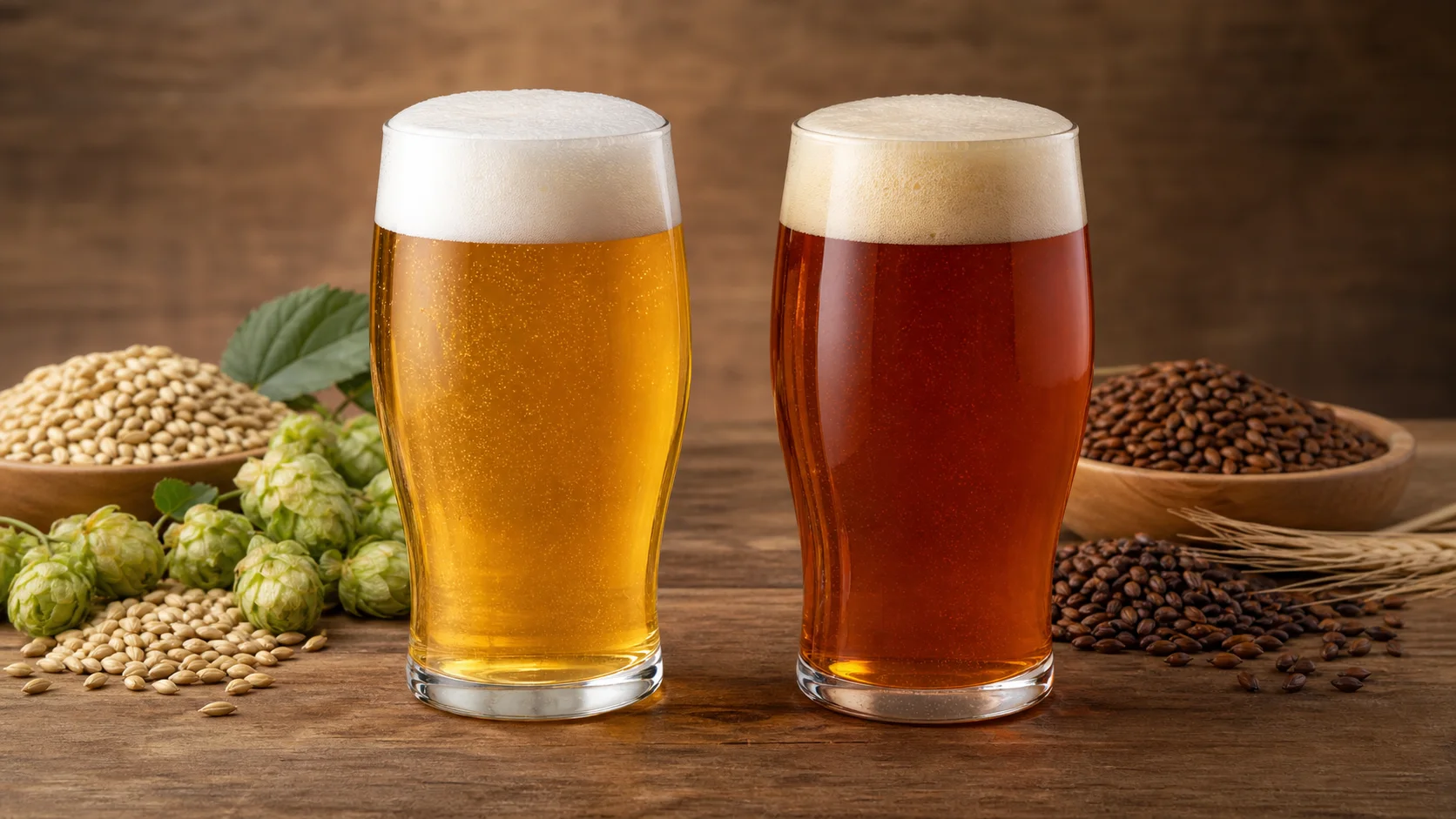
The modern Festbier profile used to explain Munich festival beer is pale gold, clear and malt-led without becoming heavy. Think fresh bread or soft grain more than caramel. Bitterness should bring the sip back into balance, not turn it into a hop showcase.
Märzen moves darker and toastier. Its amber-to-reddish color signals more emphasis on kilned malt, with bread crust and toast more likely than the paler doughy impression of Festbier. It should still finish cleanly; “richer” does not mean syrupy or sweet like dessert.
| Style | Typical look | Malt direction | Choose it when |
|---|---|---|---|
| Festbier | Pale to gold | Clean, smooth, bread-like | You want the lighter modern Munich festival direction |
| Märzen | Amber to reddish brown | Toasted, bread-crust, richer | You prefer a deeper malt profile or classic US seasonal interpretation |
Individual beers can sit near the boundary. A style guide describes a family, not a promise that every glass will taste identical. When shopping in the US, look for “Festbier” or “Märzen” on the label and then read the brewery’s own description. “Oktoberfest” alone is not specific enough.
The amber-beer assumption
Oktoberfest beer is always a dark amber Märzen.
Modern Munich festival beer generally follows the paler Festbier direction.
Amber Märzen remains an important historical and seasonal style, especially in US Oktoberfest releases, but the two names should not be collapsed into one profile.Why Munich’s Oktoberfest has six breweries
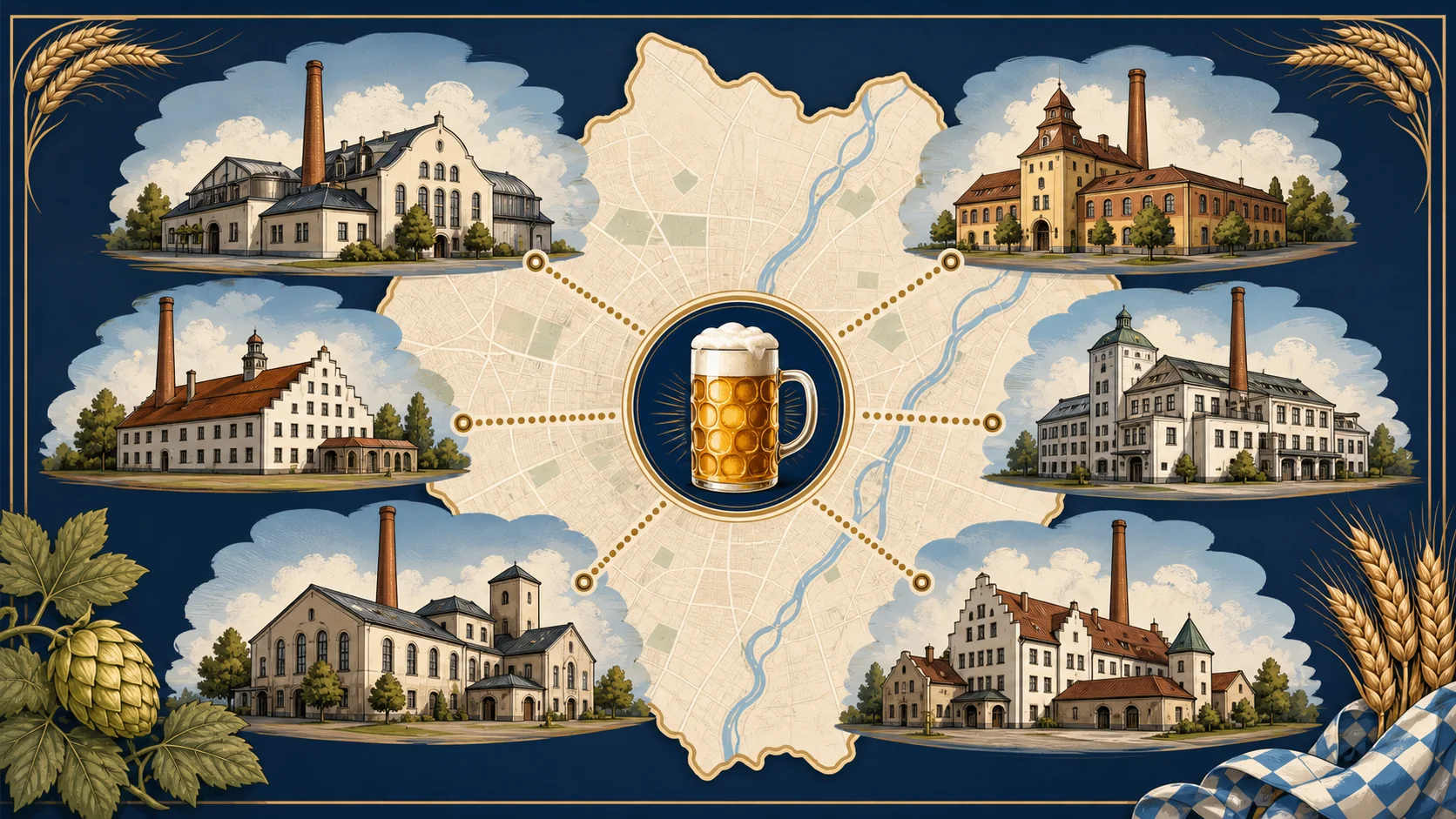
The six breweries are Augustiner, Hacker-Pschorr, Hofbräu München, Löwenbräu, Paulaner and Spaten. The official festival assigns their beers across particular tents; visitors do not choose from all six at every table.
That boundary is more than local custom. Oktoberfestbier has protected geographical indication
status in the European Union. The protection connects the name to Munich production and the beer
served at the Munich festival. It is one reason a beer called “Oktoberfest” in another market should
not automatically be presented as the same thing as official Wiesn beer.
This does not make one of the six a universal “best Oktoberfest beer.” Tent, atmosphere, food and personal taste shape the experience, and a brand ranking would pretend those different situations share one score. If you are planning a Munich visit, use the Oktoberfest hub to reach the broader festival-planning guides; this page stays with the beer itself.
What Oktoberfest beer tastes like
Expect lager clarity: a clean fermentation profile, smooth malt and enough bitterness to prevent the finish from feeling slack. Festbier generally reads lighter and more drinkable, while Märzen puts more toast and malt depth in the center of the sip.
Do not use color as a complete tasting note. Two gold lagers can differ in bitterness, body and malt character, just as two amber lagers can differ in sweetness and toast. Color is a useful first clue, then the style and brewery description do the rest.
Alcohol content also deserves practical attention. Munich Wiesn beers commonly sit around the six-percent range, but this guide does not turn a changing set of individual specifications into one permanent number. Check the exact beer. A one-liter Maß also contains substantially more beer than a typical US pint, so pace and serving size matter together.
A Maß is part of the service, not the style
At the Wiesn, festival beer is served in a one-liter glass mug called a Maß. Ordering “a Maß” asks for the measure; it does not identify Festbier, Märzen or a brewery by itself.
For a home gathering, there is no reason to copy the liter serving. Smaller glassware makes it easier for guests to compare styles, keep a drink cold and choose their own pace. If you need vessels for a group or a gift, the German beer stein guide separates simple glass mugs, everyday ceramic steins, lidded styles and display pieces by their actual job.
Food pairing: use contrast, not rules
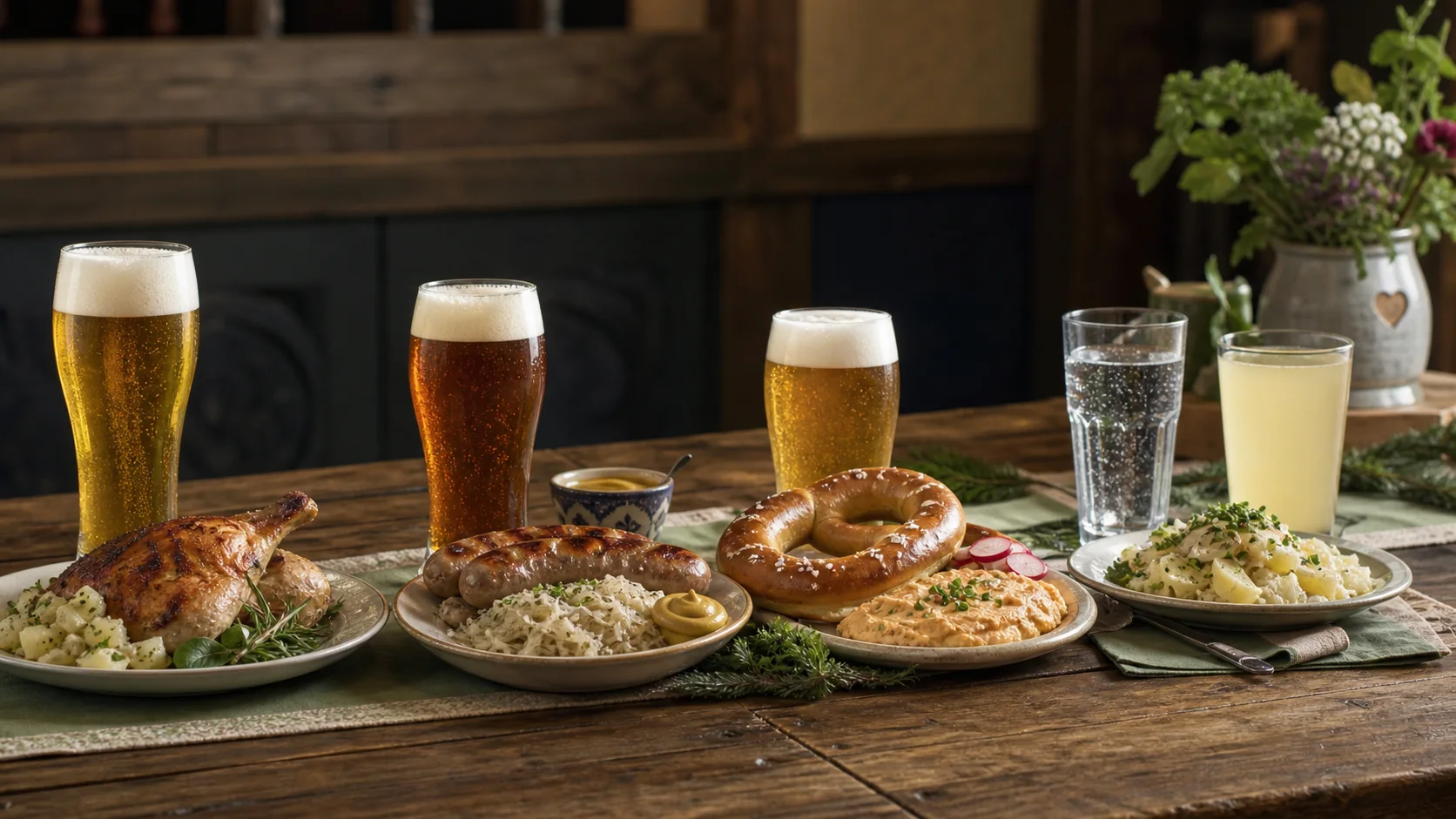
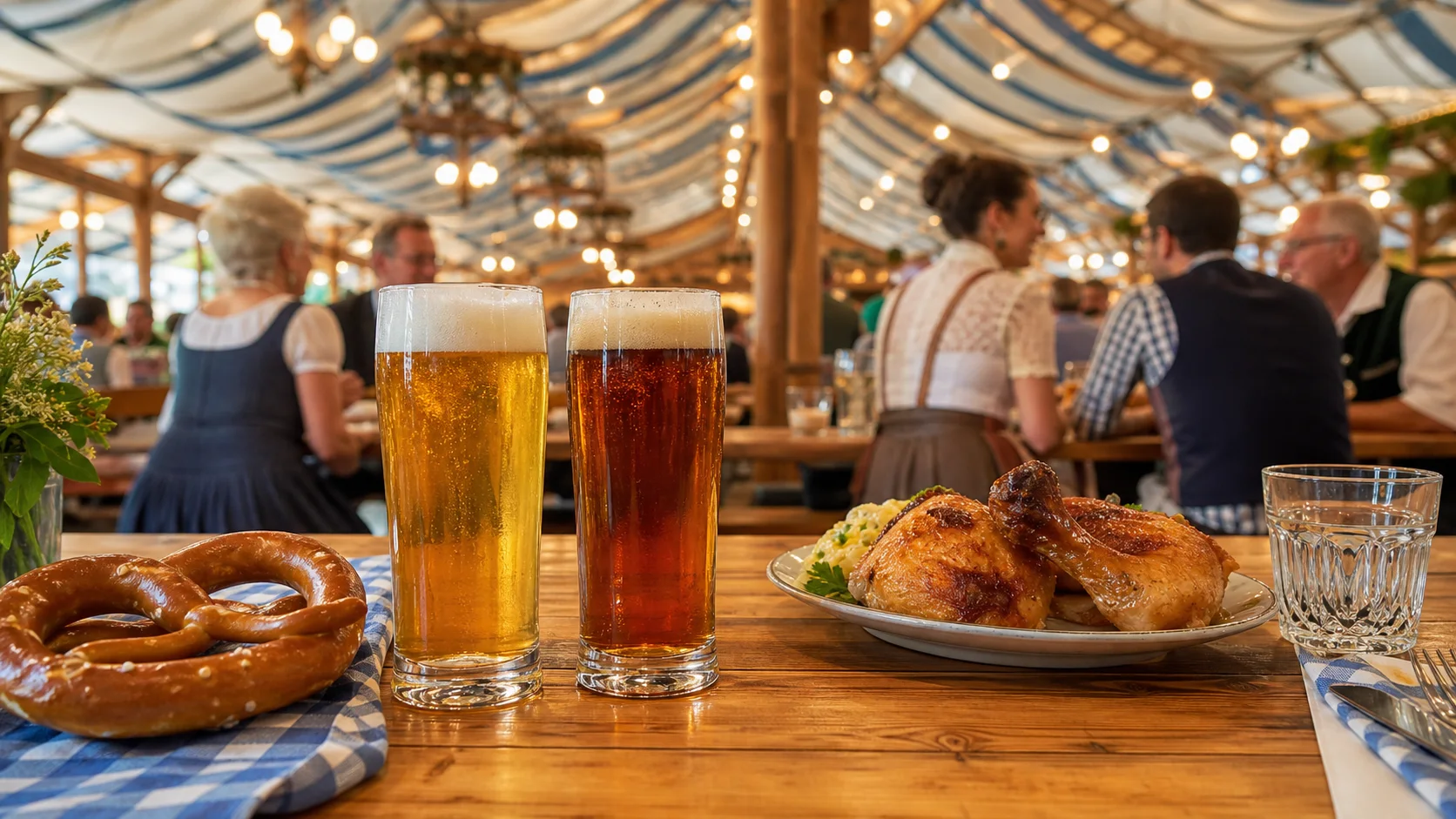
Festbier works naturally with roast chicken because its clean finish and moderate bitterness can cut through browned skin without covering the seasoning. Pretzels and Obatzda, the seasoned cheese spread, suit the same beer for a simpler table.
Märzen’s toastier malt can meet sausages, roast pork and browned onions with a little more weight. That is an editorial pairing direction, not a law. Mustard, smoke, salt and the actual recipe can matter more than the style name.
For a home menu, give food equal billing. The Oktoberfest food guide builds a manageable table, while the pretzel kit guide helps decide between a mix, salt and dough tools. The beer should support that plan, not require the host to rebuild it.
Non-alcoholic guests belong at the same table
Current official visitor guidance says all beer-serving tents at Munich Oktoberfest offer non-alcoholic beer. Water and soft drinks are part of the festival landscape too. Specific products and service points can change, so check current information when the exact option matters.
At home, do not hide the alcohol-free choices in a separate cooler afterthought. Put chilled water, sparkling water and at least one flavorful alcohol-free drink where guests can see them. Use the same clean glassware and make refills easy. Hospitality is the point; alcohol is optional.
Anyone driving, taking medication, managing a health condition, pregnant, underage or simply not drinking should choose the option appropriate to them. This article explains beer styles, not safe personal alcohol limits.
Choose beer for a US Oktoberfest gathering
Start with the guest list. If many people are curious but not beer-focused, one approachable golden Festbier-style lager plus a strong alcohol-free choice keeps the decision simple. If the group enjoys malt-forward lagers, add one Märzen for contrast rather than buying several near-duplicates.
Then plan serving size, chilling space and food. A tasting pour can teach the Festbier–Märzen difference better than a large first serving. Keep water visible and label each style plainly so guests do not have to guess from color alone.
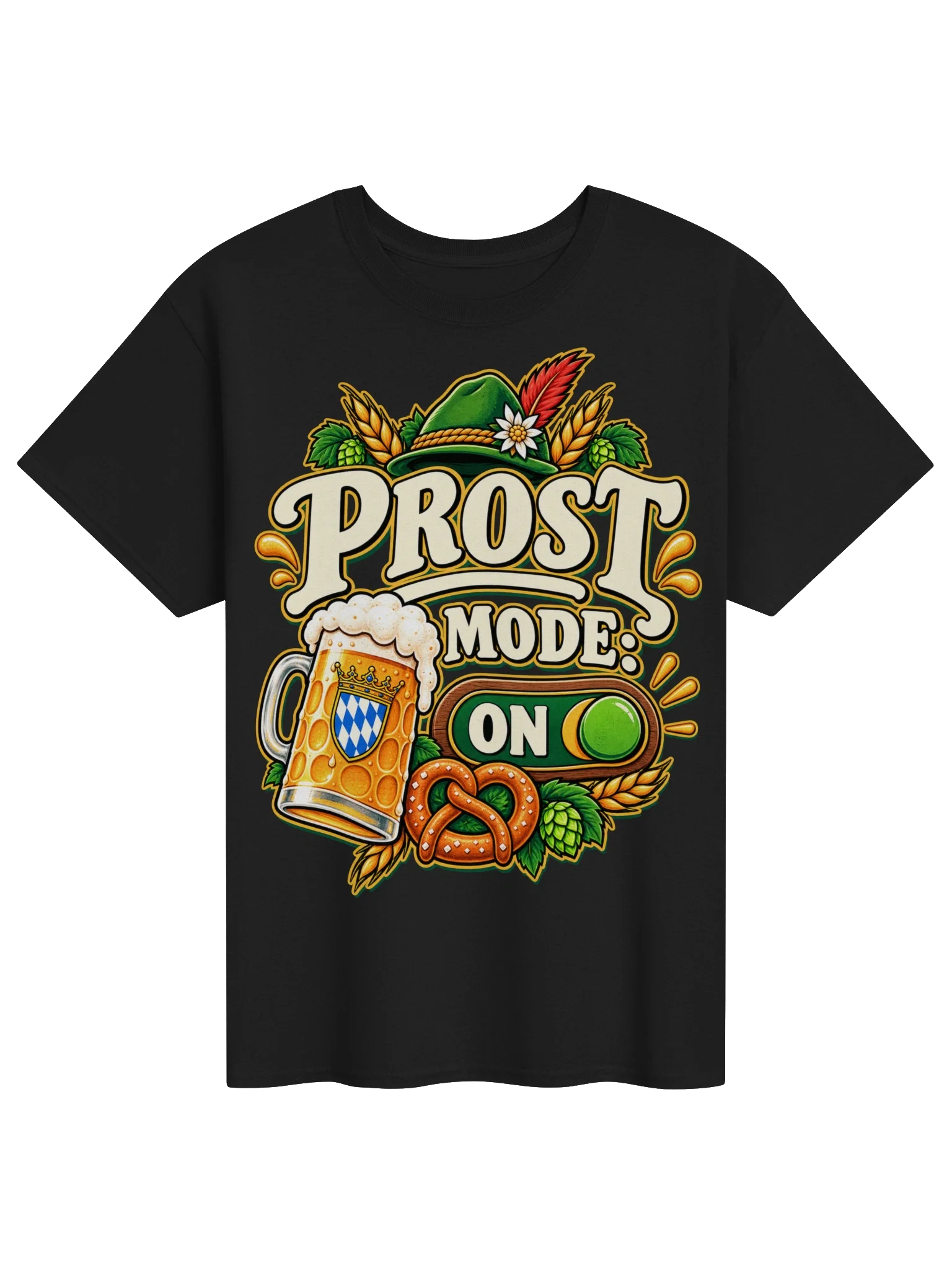
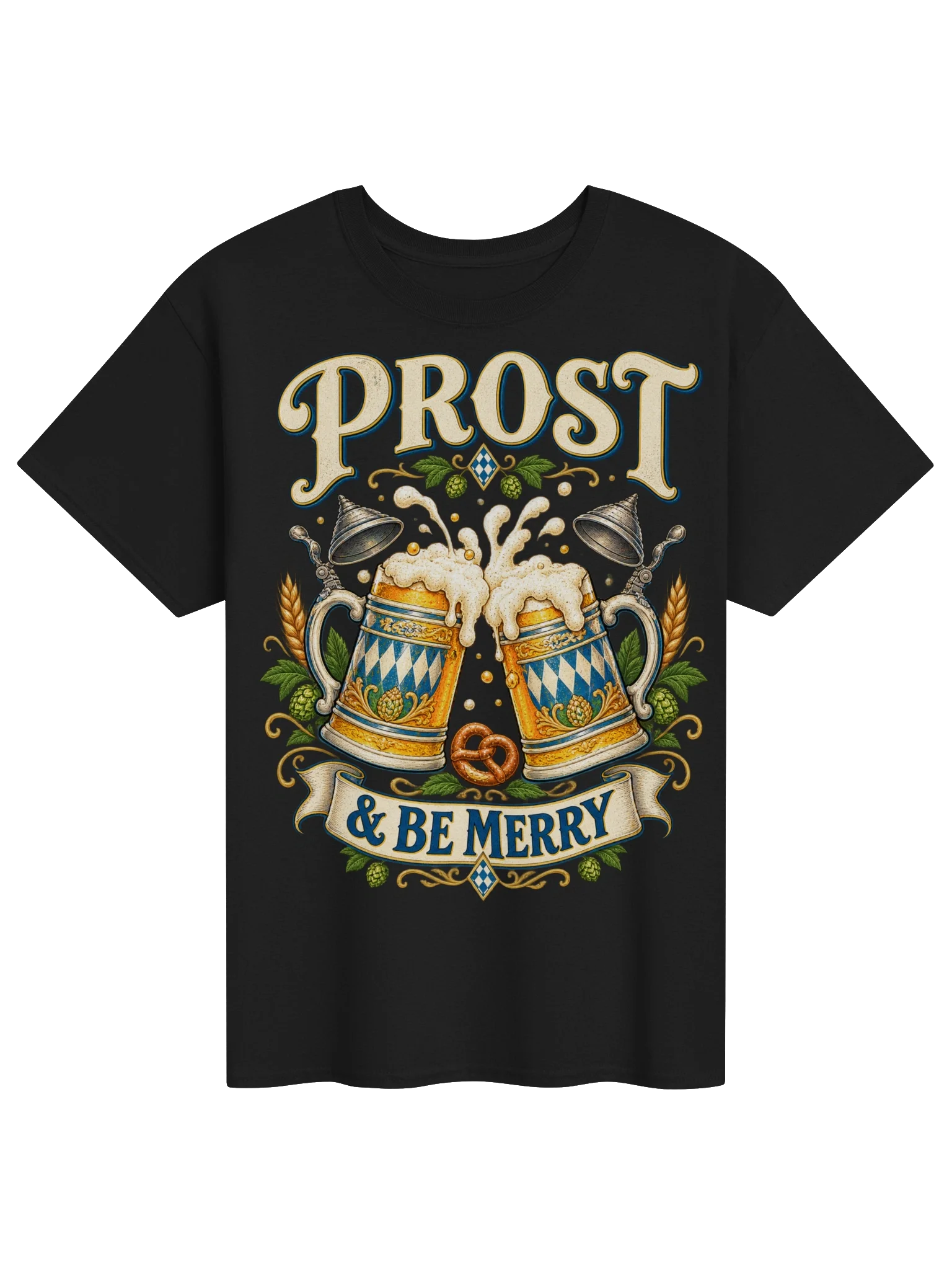
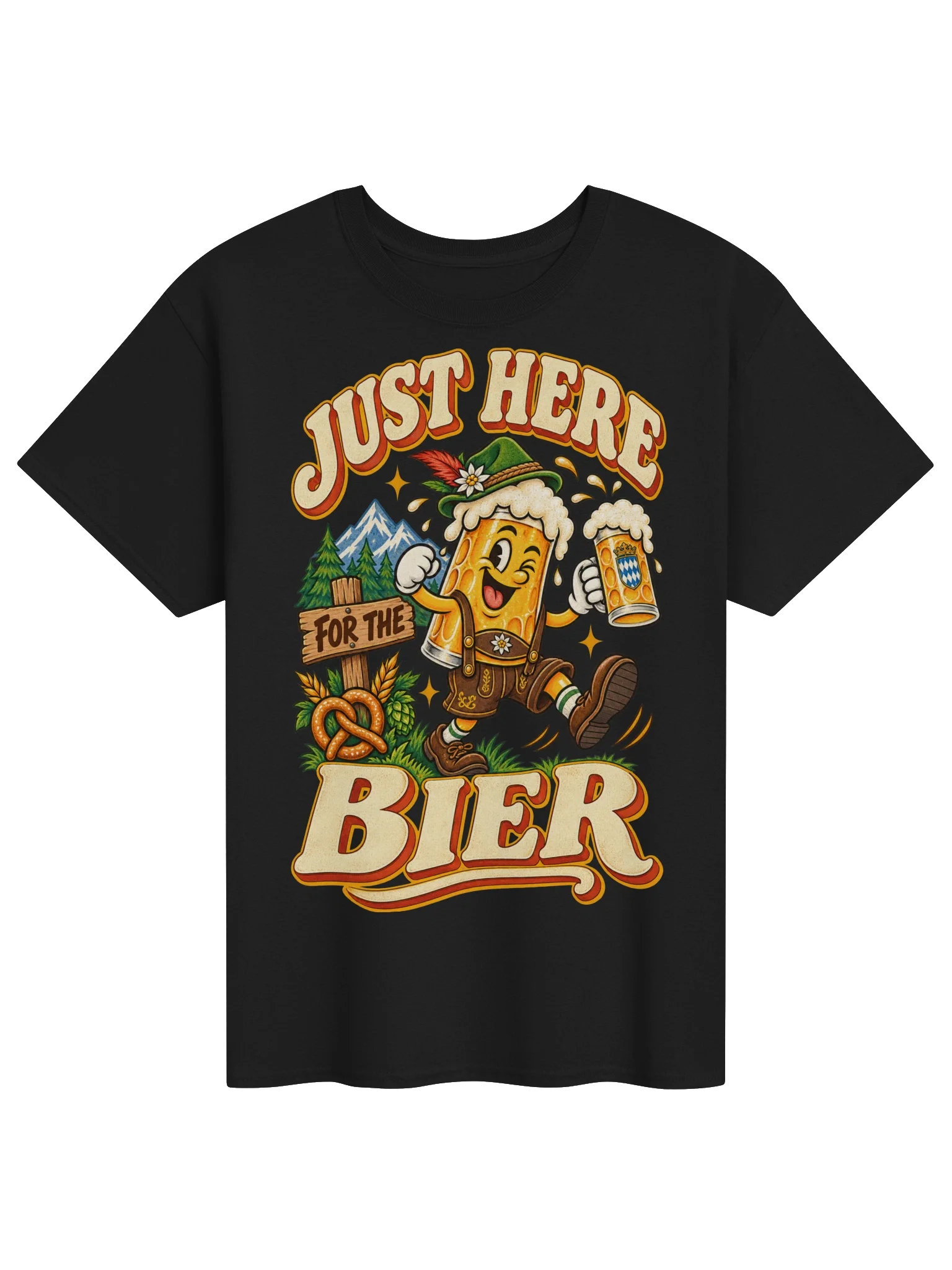
The Oktoberfest party guide handles the rest of the gathering. If the occasion also needs a casual festival look, the Oktoberfest shirt guide separates Prost, pretzel, edelweiss and music themes by audience and event tone.
The shortest useful decision is this: choose Festbier for the paler modern festival profile, Märzen for deeper toasted malt, and an alcohol-free option because a shared table should work for more than one kind of guest. After that, food and company will matter more than finding a mythical overall winner.
For the table and the gathering
Beer-led designs for a casual festival outfit
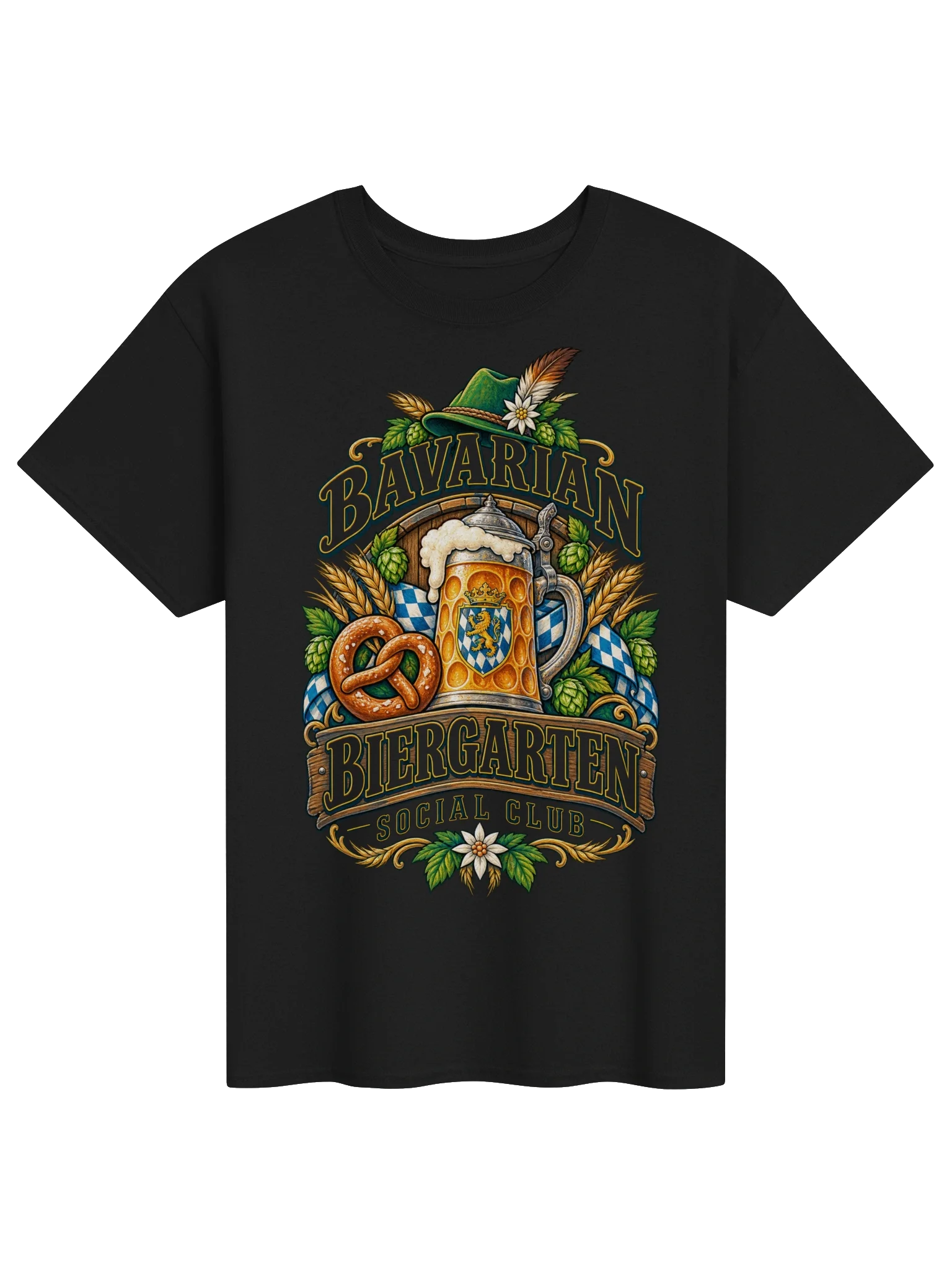
Compare a short Prost slogan, a friendly toast, direct beer humor and a social-club graphic; none replaces responsible serving choices.
Frequently asked questions
Common questions
Is Oktoberfest beer a lager?
Yes. Festbier and Märzen are lager styles. Modern Munich festival beer is generally pale gold, smooth and malt-led, while Märzen is usually amber and more noticeably toasted or bread-like.
What is the difference between Festbier and Märzen?
Festbier is typically lighter in color and body, with a clean pale-malt profile suited to drinking by the liter. Märzen is darker, richer and more toast-forward. Individual beers vary, so use the style description rather than assuming every seasonal label tastes the same.
Which breweries serve beer at Munich Oktoberfest?
The six are Augustiner, Hacker-Pschorr, Hofbräu München, Löwenbräu, Paulaner and Spaten. The exact brewery served depends on the tent.
Is non-alcoholic beer available at Oktoberfest?
Yes. Current official visitor guidance says all beer-serving festival tents offer non-alcoholic beer. Water and other soft drinks are also available.
What does Maß mean at Oktoberfest?
A Maß is the one-liter mug used for festival beer service. The word names the measure and the vessel; it is not a beer style.