

On this pageBuying answer: what actually separates a good dirndl listing
A dirndl photographs well in almost any thumbnail. What separates a dress you’ll be glad you bought from one you’ll regret is harder to see in a product photo: the fabric it’s actually cut from, whether the sizing chart is built around real measurements or guesswork, the length that matches where you’re wearing it, and a price that tracks the quality instead of just the markup.
Buying answer: what actually separates a good dirndl listing
Before comparing individual listings, know the four things worth checking on every one: fabric (natural fiber and a structured bodice versus all-polyester and loose seams), sizing method (a real measurement chart, not just S/M/L), length (mini, midi, or long — tied to the occasion, not just personal taste), and price tier (matched to how many times you’ll actually wear it). A dirndl is a traditional four-piece outfit — bodice, skirt, apron, and blouse worn together — and “Tracht,” the German word for traditional Alpine dress, covers the whole category the dirndl belongs to. Get those four checks right and almost any listing that passes them will serve you well; skip them and even an expensive one can disappoint.
What to check on every dirndl listing
Fabric description
Fiber content is a screening clue, not proof of quality or authenticity.
- Look for
- Complete fiber percentages and care instructions
- Avoid
- Vague phrases such as "traditional fabric" with no composition
Construction details
Lining, bodice structure, seams, hems and closures reveal more than a distant product photo.
- Look for
- Close photos and specific construction notes
- Avoid
- Inferring support or workmanship from styling alone
Listing-specific sizing
European-to-US conversions vary by brand and cut, so measurements matter more than the label.
- Look for
- Bust, waist and hip measurements with chart instructions
- Avoid
- A universal size conversion copied from another seller
Length and occasion
Mini, midi and long dirndls create different silhouettes and suit different settings.
- Look for
- Garment length in centimeters or inches
- Avoid
- Judging length from a cropped model photo
Included pieces and terms
The photo may show a blouse, apron or accessories that the listing does not include.
- Look for
- An explicit included-pieces list and current return terms
- Avoid
- Assuming every pictured item ships with the dress
Category and length choices: mini, midi, and long dirndls
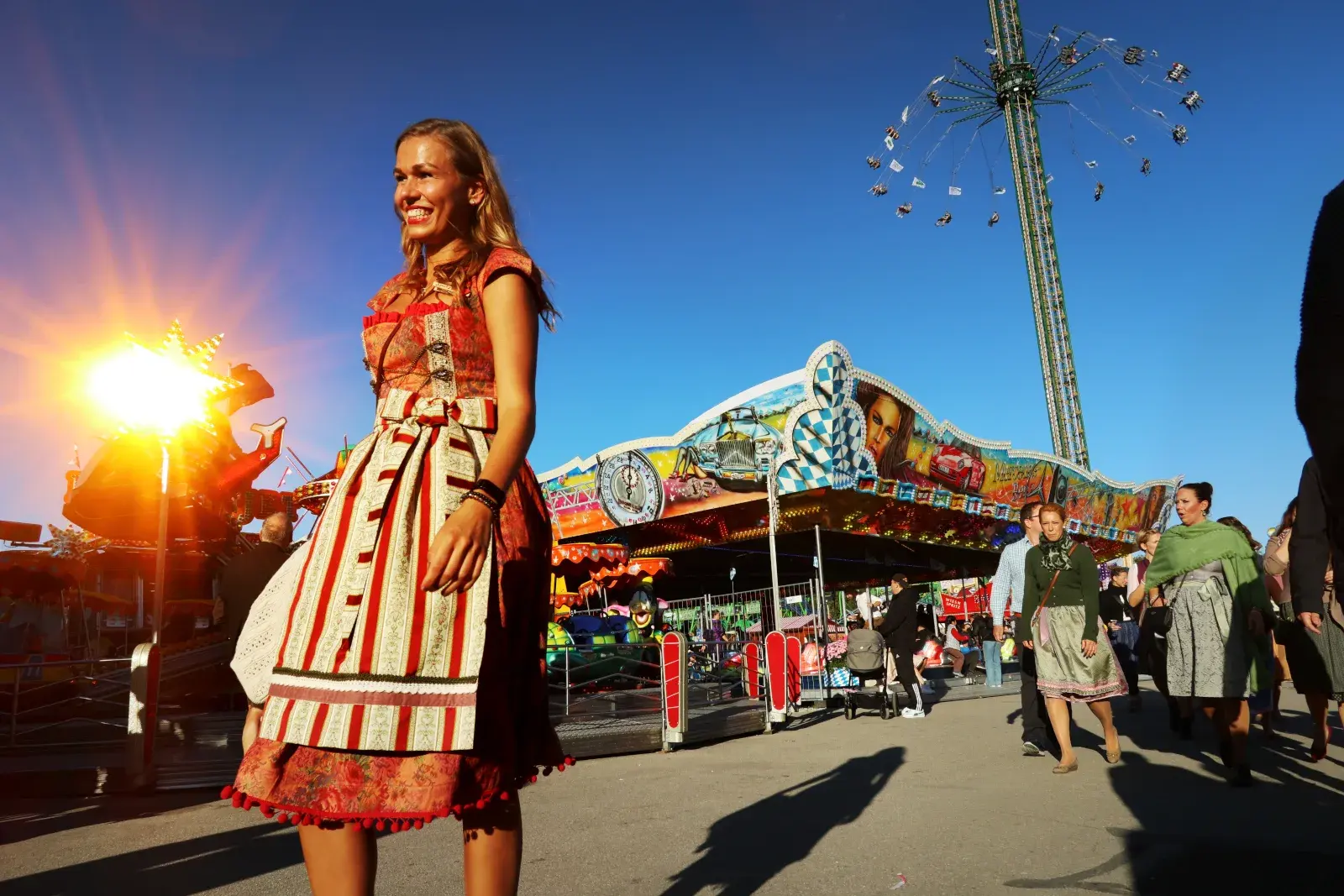
Length is the choice most first-time buyers get wrong, mostly because it isn’t obvious from a single product photo how a dress will actually read once it’s on and you’re standing in a crowd.
Mini dirndls sit above the knee and read as casual and modern. They work well for a themed party, a summer beer garden, or a US festival where a shorter length is the norm and nobody blinks at it. They’re less common in Munich itself — plenty of visitors wear them anyway, but if your goal is to blend in with what regular attendees are wearing at the actual Munich Oktoberfest, a mini is the outlier choice, not the default.
Midi dirndls, ending somewhere between the knee and mid-calf, are the length most commonly worn at Munich’s Oktoberfest and at regional Bavarian festivals. Browse current midi-style dirndl listings(paid link) while checking actual garment measurements and included pieces; use the broader what-to-wear guide to settle the venue first.
Long or maxi dirndls reach the ankle and read as formal. This is the length for an Alpine wedding, a formal Bavarian ceremony, a gala, or an evening event — not a casual beer tent afternoon. Long dirndls are also where premium fabric shows up most often: velvet, silk, and structured wool blends are common at this length in a way they rarely are on a mini.
Length and price tier tend to move together, though not because one causes the other. A casual mini is usually priced and constructed for occasional wear; a formal long dirndl is usually built from better material because it’s being sold to someone planning to wear it for years, not one afternoon. That correlation is useful as a sanity check: if a mini dirndl is priced like a premium long one, or a long dirndl is priced like a mini, it’s worth a second look at what’s actually being sold.
Compare dirndl lengths by setting
| Criteria | Silhouette | Practical setting | Check before buying |
|---|---|---|---|
| Mini | Above the knee; modern and casual | Themed parties and informal local events | Confirm the actual garment length rather than relying on the photo |
| Midi | Knee to mid-calf; the most adaptable range | Oktoberfest visits and repeat festival wear | Brand definitions of midi vary |
| Long or maxi | Near the ankle; more formal | Formal celebrations and dressier heritage events | Check walking clearance, shoes and total garment length |
These are practical shopping categories, not official rules. Regional practice, individual styling and retailer definitions vary.
Recommendations: which tier fits which reader
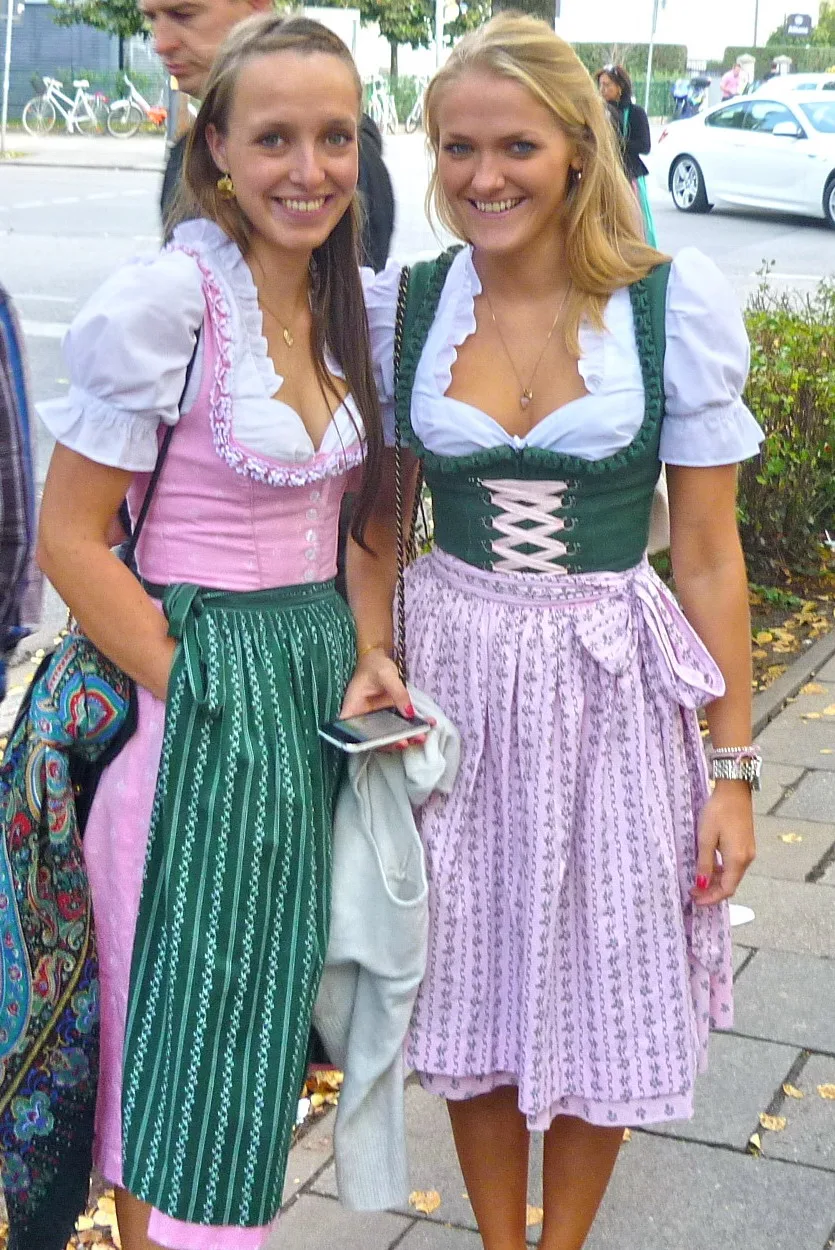
Rather than naming a single “best” dirndl, it’s more useful to describe the three tiers most readers actually choose between and who each one genuinely fits.
Pick the tier by realistic future use
Budget dress with clear specifications
A reasonable low-commitment choice when the materials, included pieces and return terms are stated plainly.
Well-documented midi dirndl
The adaptable option when you expect more than one wear but do not need premium materials.
Higher-tier dress with documented construction
Worth considering when repeat wear justifies closer attention to fabric, lining, finish and alterations.
A higher-tier dirndl is worth considering when
Best for
- You expect repeat wear across several events
- The listing documents fabric, lining, closures and included pieces
- You are prepared to measure carefully or budget for alterations
Not for
- This is a single casual event on a fixed budget
- The listing relies on styling language without construction details
- You need an easy return but the seller's current terms are unclear
Budget: one event, low commitment. A budget dirndl in a shorter, costume-length cut is the right call if you’re not sure you’ll wear a dirndl again. Inspect current budget dirndl listings(paid link) with that limited job in mind. Expect polyester or a polyester-heavy blend and simpler hardware.
Balanced: the middle ground most readers want. This tier fits a reader who wants a more structured, less costume-like dress without becoming an expert in fabric grades first. Look for documented stitching, actual embroidery rather than a printed imitation, and a midi length suited to the event. Those details improve the listing’s credibility; they do not prove regional authenticity or long-term durability. For someone attending one or two seasons, this is usually the practical place to begin comparing.
Premium: built for years of wear. This tier is for a reader who already knows they’ll wear a dirndl regularly. Natural fiber, a properly structured bodice, and clearly named included pieces are the signals to look for here. Compare current premium dirndl listings(paid link) only after checking how the outfit will coordinate with footwear in the Oktoberfest shoe guide. A high price alone is not evidence.
Completing the outfit. A dirndl is worn with a blouse underneath the bodice — traditionally white, cropped above the midriff — and most buying guidance treats the blouse as a separate purchase rather than assuming a bundled one will fit or match well. Shoes matter more than they might seem: a traditional low-heeled flat is easier to stand and dance in for hours than the sandals or heels many first-time buyers default to. Trachten-style knee socks are optional rather than required, but they complete a traditional look the way bare legs under a formal-length dirndl usually don’t.
Current dirndl tiers to compare
Browse Budget Costume-Length Dirndl Dresses
Search Walmart for affordable, shorter dirndl dresses and compare fabric, stitching, included pieces, and seller.
Browse Women's Dirndl-Style Dresses
Search Walmart for dirndl-style dresses and compare length, bodice style, apron inclusion, and sizing.
Browse Premium Traditional Dirndl Dresses
Search Amazon for full-length dirndl sets with a matching blouse and apron, and compare fabric, construction, and price.
Compare the current dress listings
| Option | Best for | What to verify | Store |
|---|---|---|---|
| Browse Budget Costume-Length Dirndl Dresses | First-time buyers or readers who want a traditional look without a large investment | Check the exact fabric, stitching, included pieces, seller, delivery, and return details at Walmart. | Shop Walmart(paid link) |
| Browse Women's Dirndl-Style Dresses | Women who want a solid traditional look without researching fabric grades or hunting for the cheapest listing | Check the exact length, bodice style, apron inclusion, seller, delivery, and return details at Walmart. | Shop Walmart(paid link) |
| Browse Premium Traditional Dirndl Dresses | Readers who want the most traditional construction and expect to rewear the outfit for years | Check the exact fabric, bodice construction, included pieces, sizing, seller, delivery, and return details on Amazon. | Shop Amazon(paid link) |
Affiliate links · Availability, delivery and return terms may change by merchant.
Method and evidence: how these tiers were built
These recommendations are category-level editorial judgments, not a hands-on review of one purchased dress. They’re built from three kinds of evidence: Oktoberfest’s own official cultural guidance on dirndl and Tracht, a general reference source on the dirndl’s construction and history, and published buying and sizing guidance from specialty dirndl retailers, treated as category-level guidance rather than an independent lab test of specific garments.
Price-tier reasoning draws on reference figures from two specialty retailers, both in USD but with meaningfully different tier boundaries between them — which is itself a useful reminder that “budget,” “mid-range,” and “premium” are relative categories, not fixed price points, and that current prices should always be checked on the actual listing rather than assumed from a buying guide. Fabric and construction claims come from published retailer comparisons of authentic versus costume-grade dirndls rather than independent lab testing, so they’re presented as general market guidance, not a verified technical standard. Length-category guidance comes from a specialty retailer’s own product framing, cross-checked against how Munich’s Oktoberfest is typically described by visitors and coverage of the festival, rather than an official length standard, since no such standard appears to exist.
No dirndl reviewed here has been purchased, worn, or physically inspected by MottoFox’s editorial team. That limitation applies to every recommendation in this guide, and it’s consistent with how MottoFox handles commerce content generally: category-level comparison, disclosed clearly, without claiming testing that didn’t happen.
How the tiers were built
Listing transparency
40%We prioritized specific material, construction, measurement and included-piece information over visual styling claims.
Fit for the occasion
30%Length and tier were evaluated against realistic settings and expected number of wears, not a universal authenticity score.
Evidence quality
30%Official cultural context was separated from specialty-retailer buying guidance and editorial judgment.
Evidence used
- Official Oktoberfest context on dirndl and Tracht
- General reference material on dirndl construction and history
- Specialty-retailer buying and sizing guidance, treated as merchant guidance rather than independent testing
Limitations
- MottoFox did not purchase, wear or physically inspect a dirndl for this guide.
- Retailer descriptions do not independently prove durability, workmanship or authenticity.
- Current price, stock, included pieces, sizing and return terms must be checked on the live listing.
Final decision: match the tier to the day you’ll actually wear it
Fabric, sizing method, length category, and price tier are the four things that separate a useful dirndl listing from a poorly documented one—not the thumbnail photo, and not the price alone. A budget, costume-length dirndl can fit a single casual event on a tight budget. A documented midi is the practical comparison point for many readers attending once or twice. A higher-tier piece makes sense only when the named materials, construction and included pieces support repeat wear.
Whichever tier fits, two caveats matter regardless: confirm the actual sizing chart against your own measurements rather than trusting your usual dress size, and check the current listing’s fabric description, seller, and return policy before ordering — buying guidance changes less often than individual retailers’ stock and pricing do.
Verdict
Match the listing to the day you will actually wear it
Best choice: A listing you can evaluate from specifications and measurements rather than assumptions
The strongest listing is not automatically the cheapest, most expensive or most traditional-looking one. It is the one that documents its construction and included pieces, gives you a usable measurement chart, and fits the formality and repeat use you expect.
Choose a clearly described budget dress for one event, a well-documented midi for adaptable repeat wear, or a higher-tier piece only when its construction details justify the investment.
- Fiber content and price do not independently prove quality or authenticity.
- Confirm the current seller, included pieces, size chart and return policy before ordering.
Frequently asked questions
Common questions
What fabric should a good dirndl use?
Natural fibers and documented bodice construction are useful signals, but no fiber guarantees quality. Look for a complete material description, close construction photos, lining and closure details, and care instructions.
How does dirndl sizing work?
Many listings use European numeric sizes, but conversions vary by brand and cut. Measure your bust, waist and hip, then use the chart attached to the exact listing instead of relying on your usual dress size.
Is a budget dirndl worth buying?
Yes, when it matches a one-event use case and the listing is clear about materials, included pieces and returns. Do not assume a low price proves poor construction or that a higher price guarantees authenticity.
What does the position of the dirndl apron bow mean?
A popular modern custom associates left with single and right with partnered, with other meanings sometimes assigned to center or back. It is not a verified centuries-old rule, and individual practice varies.
Does a dirndl include the blouse and apron?
It depends on the listing. Check the included-pieces description carefully and budget separately for anything not named; product photos do not prove that every pictured piece is included.