
On this page“Prost” — the word you will use most
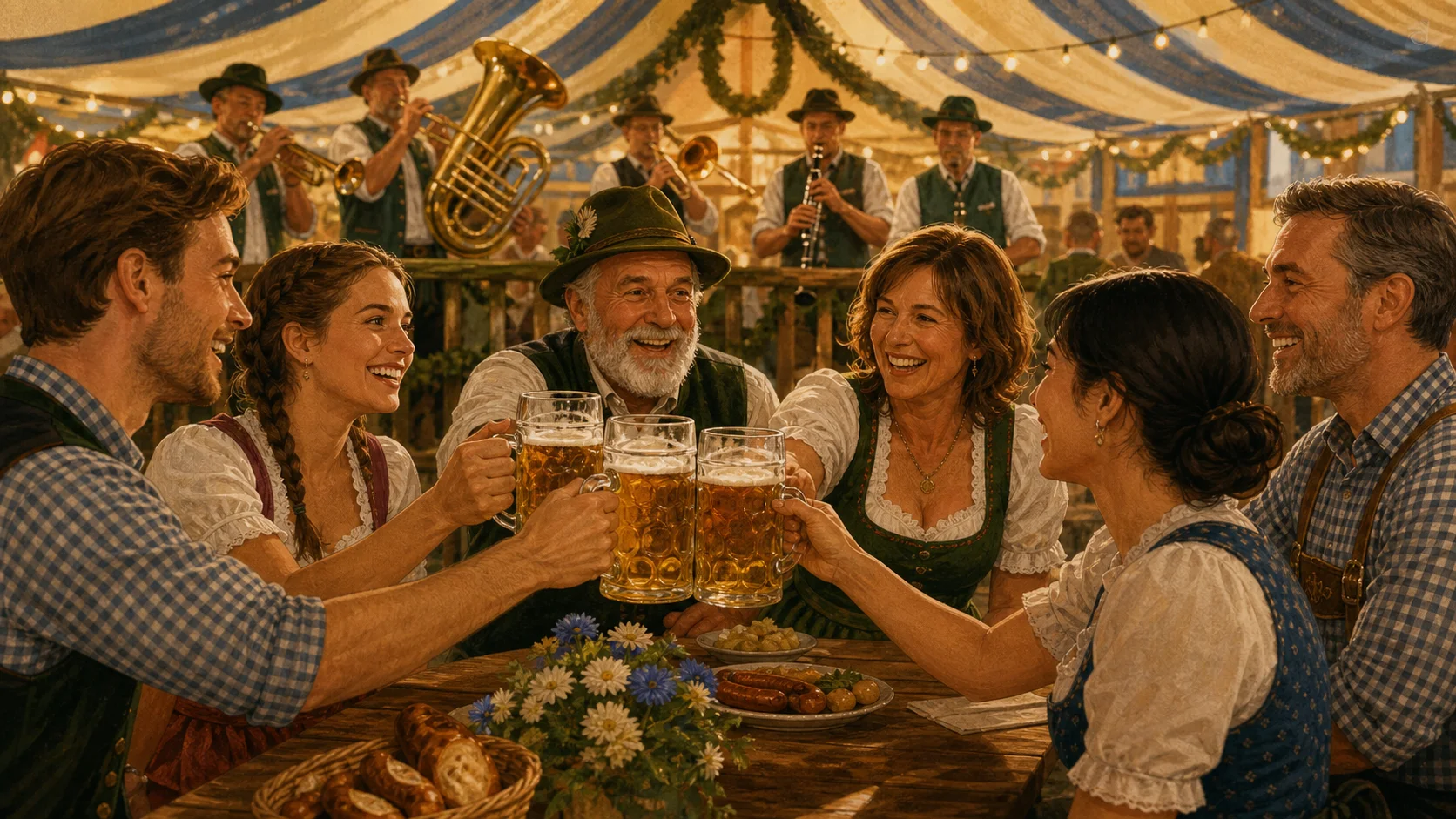
Half the fun of Oktoberfest is hearing the same few German words travel from one end of a crowded table to the other.
Some are everyday phrases. Some belong to the opening ceremony. Others are part of songs everyone seems to know, even when half the room is only confident about the last word.
Here is what the most common Oktoberfest sayings mean, how to say them without tying your tongue in a knot, and when they actually belong in the conversation.
The phrases at a glance
- Prost
- A common German toast meaning cheers.
- Zum Wohl
- A toast meaning to your health.
- Ein Prosit
- The opening of a recurring festival toast to Gemütlichkeit.
- O’zapft is!
- Bavarian for it is tapped, used to announce the festival opening.
Where the best-known festival phrases fit
The festival begins
The original public celebration establishes the setting that later traditions and language grow around.
Music and communal toasts become established
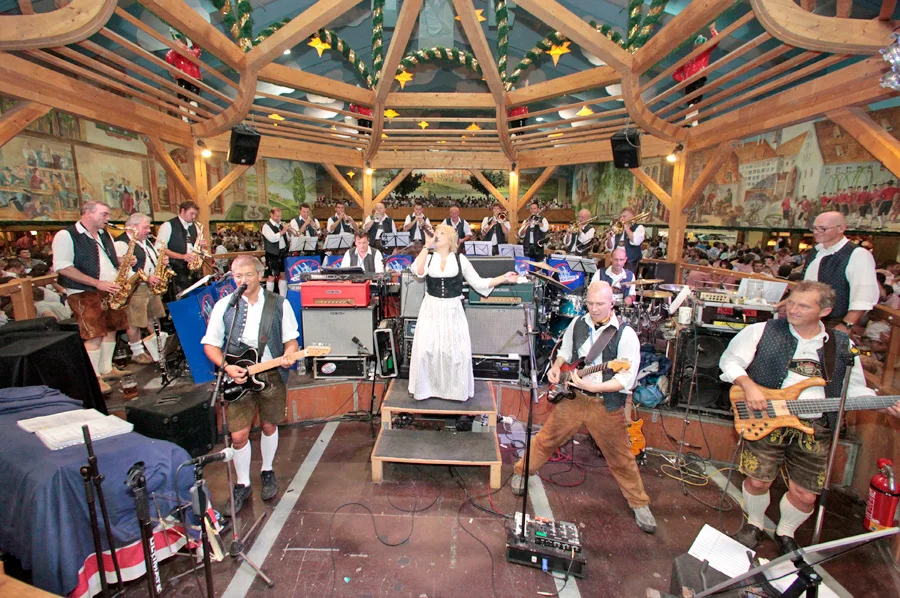
Festival bands and shared tent culture give recurring phrases a group role.
O’zapft is becomes the opening call
The mayoral keg-tapping ceremony establishes the now-famous announcement.
Old phrases meet modern sayings
Traditional toasts coexist with new shirt slogans and casual festival humor.
Traditional phrases and modern slogans are different
Every German-looking festival slogan is traditional.
Many shirt sayings are modern English wordplay.
Use them as humor, not as historical quotations.Gemütlichkeit has one exact English equivalent.
It describes a broader feeling of comfort, company, and belonging.
“Prost” — the word you will use most
The toast makes more sense within the shared-table and music customs explained in the Oktoberfest traditions guide, rather than as an isolated catchphrase.
Meaning: Cheers
Say it like: prohst
Use it when: Glasses are raised
Prost is short, friendly, and useful almost anywhere people are sharing a drink.
At Oktoberfest, you will hear it at tables, during songs, and whenever a new round arrives. Raise your glass carefully, look toward the people around you, and say it once.
There is no need to shout it like you are trying to reach another zip code. The person across the table will hear you.
“Zum Wohl” — to your health
Meaning: To your health
Say it like: tsoom vohl
Use it when: You want a slightly warmer or more formal toast
Zum Wohl is another way to say cheers.
It feels a little more deliberate than Prost, but it is still natural and friendly. You may hear it at dinner, at a family table, or in a quieter toast where people are not competing with a brass band.
For most Oktoberfest moments, Prost is enough. Zum Wohl is useful when you want the toast to carry a little more weight.
“Ein Prosit der Gemütlichkeit” — the toasting song
Meaning: A toast to good company and togetherness
Say it like: ine proh-zit dair guh-moot-likh-kite
Use it when: The band starts playing it
This is the phrase at the center of Oktoberfest’s best-known toasting song.
The band plays a short melody, the room joins in, and glasses rise together at the end. It may happen many times during the day.
The key word is Gemütlichkeit.
It is often translated as coziness, but that only gets part of the way there. Gemütlichkeit also carries the feeling of ease, warmth, welcome, and being comfortable in good company.
It is the mood of a table where nobody is in a hurry to leave.
“O’zapft is!” — the festival is open
Meaning: It is tapped
Say it like: oh-tsapft iss
Use it when: Talking about the opening keg ceremony
This phrase belongs to opening day in Munich.
After tapping the first keg, the mayor announces:
O’zapft is!
That is the signal that Oktoberfest has officially begun.
The phrase is Bavarian rather than standard everyday German, which is part of why it feels so closely tied to the festival.
You may see it printed on signs, shirts, mugs, and decorations. In normal conversation, though, you are more likely to say Prost than announce that the keg has been tapped.
“Servus” — hello and goodbye
Meaning: Hello or goodbye
Say it like: sair-voos
Use it when: Greeting or leaving someone in Bavaria and parts of southern Germany
Servus does two jobs.
It can welcome someone at the beginning of a conversation and send them off at the end. Context handles the rest.
At Oktoberfest, it is a useful word to recognize even if you do not use it yourself. You may hear it from servers, locals, or people greeting friends at the table.
It sounds relaxed and regional, which suits the Wiesn well.
“Danke” and “Bitte” — the useful pair
Danke means thank you.
Bitte can mean please, you are welcome, or even go ahead, depending on the situation.
Say them like:
- Danke — DAHN-kuh
- Bitte — BIT-tuh
These are not special Oktoberfest phrases, but they may be the most useful German words you bring with you.
Say Danke when someone passes food, clears space, or helps at the table.
Use Bitte when asking politely:
Noch ein Wasser, bitte.
“One more water, please.”
Simple words used well are more useful than a complicated phrase delivered with the confidence of a lost tourist.
“Noch ein Bier, bitte” — one more beer, please
Meaning: One more beer, please
Say it like: nokh ine beer BIT-tuh
Use it when: Ordering another beer
This is a practical phrase, but use it carefully.
At Oktoberfest, beer commonly arrives in a full one-liter Maß. “One more” is not the same request it would be at home with a smaller glass.
The phrase is correct. The timing is still your responsibility.
For water, say:
Noch ein Wasser, bitte.
Nobody at the table loses respect for the person who remembers water exists.
“Guten Appetit” — enjoy your meal
Meaning: Enjoy your meal
Say it like: GOO-ten ah-peh-TEET
Use it when: Food arrives
This phrase is common at meals throughout the German-speaking world.
Say it before eating, especially when everyone at the table has been served. It works just as well with roast chicken and potato salad as it does with a pretzel shared between two people who insisted they were not hungry.
It is simple, polite, and easy to remember.
“Brezn” and “Maß” — two words you will see everywhere
At Oktoberfest, the familiar words may not look exactly like the German you learned elsewhere.
Brezn is the Bavarian word for a pretzel.
Maß is the one-liter beer mug used at the festival.
Say them like:
- Brezn — roughly BREHT-sn
- Maß — roughly mahss
These are nouns rather than sayings, but they appear constantly on menus, signs, and conversations.
Knowing them will not make you fluent. It will make the menu feel slightly less like a test.
Traditional phrases and modern shirt sayings are not the same thing
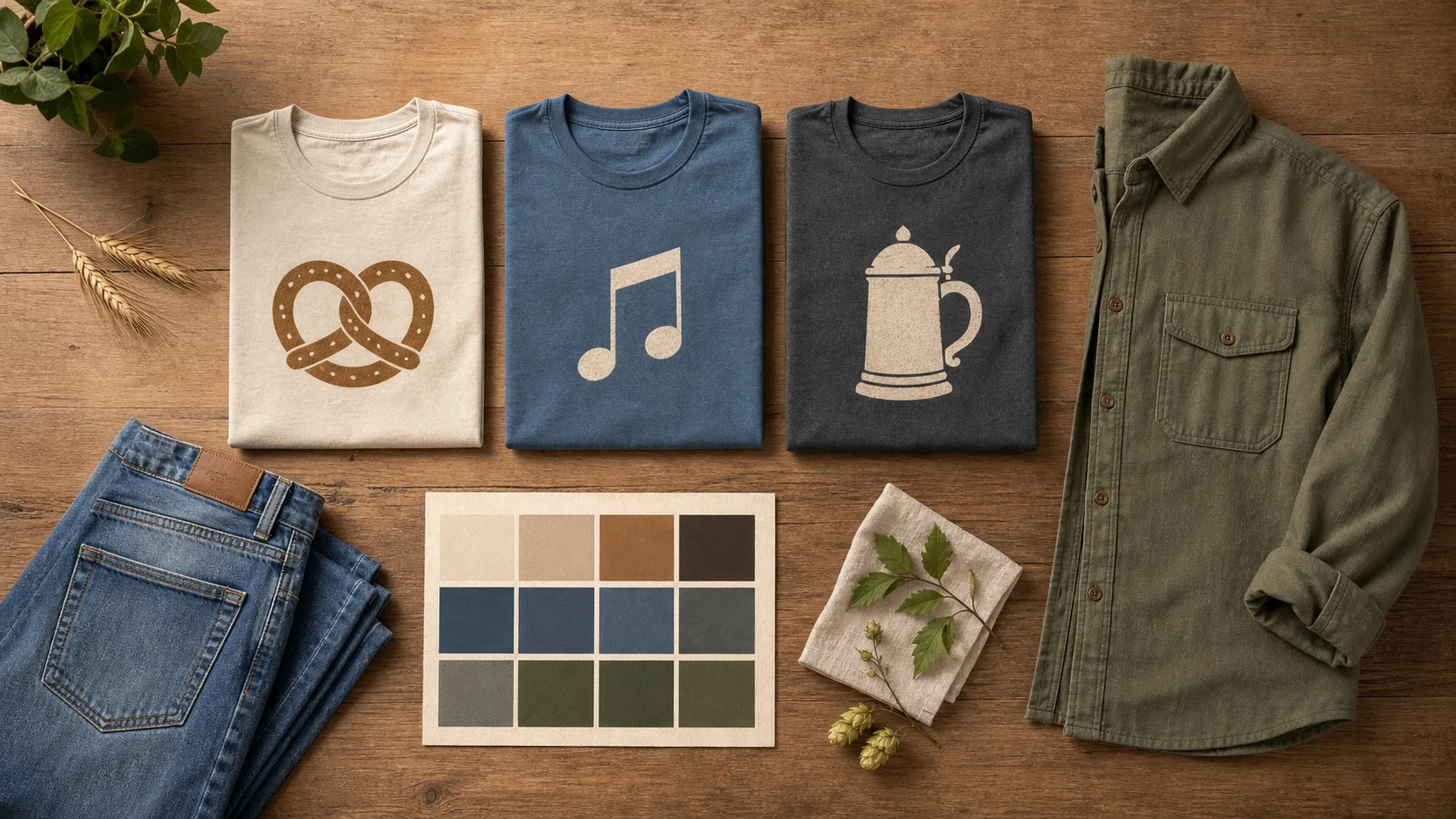
A useful distinction: not every German-looking phrase on an Oktoberfest shirt is a traditional saying.
Words such as Prost, Gemütlichkeit, and O’zapft is have real cultural and festival use.
A line such as “Willkommen to the Bier Side” or a pretzel pun may be modern wordplay created for a shirt.
There is nothing wrong with that. Festival humor has always enjoyed beer, food, and language. It is simply better to know whether you are wearing a traditional phrase or a new joke.
The best modern sayings are:
- Short enough to read quickly
- Warm rather than crude
- Easy to understand
- Connected to something real about the festival
- Still enjoyable after the joke has been read once
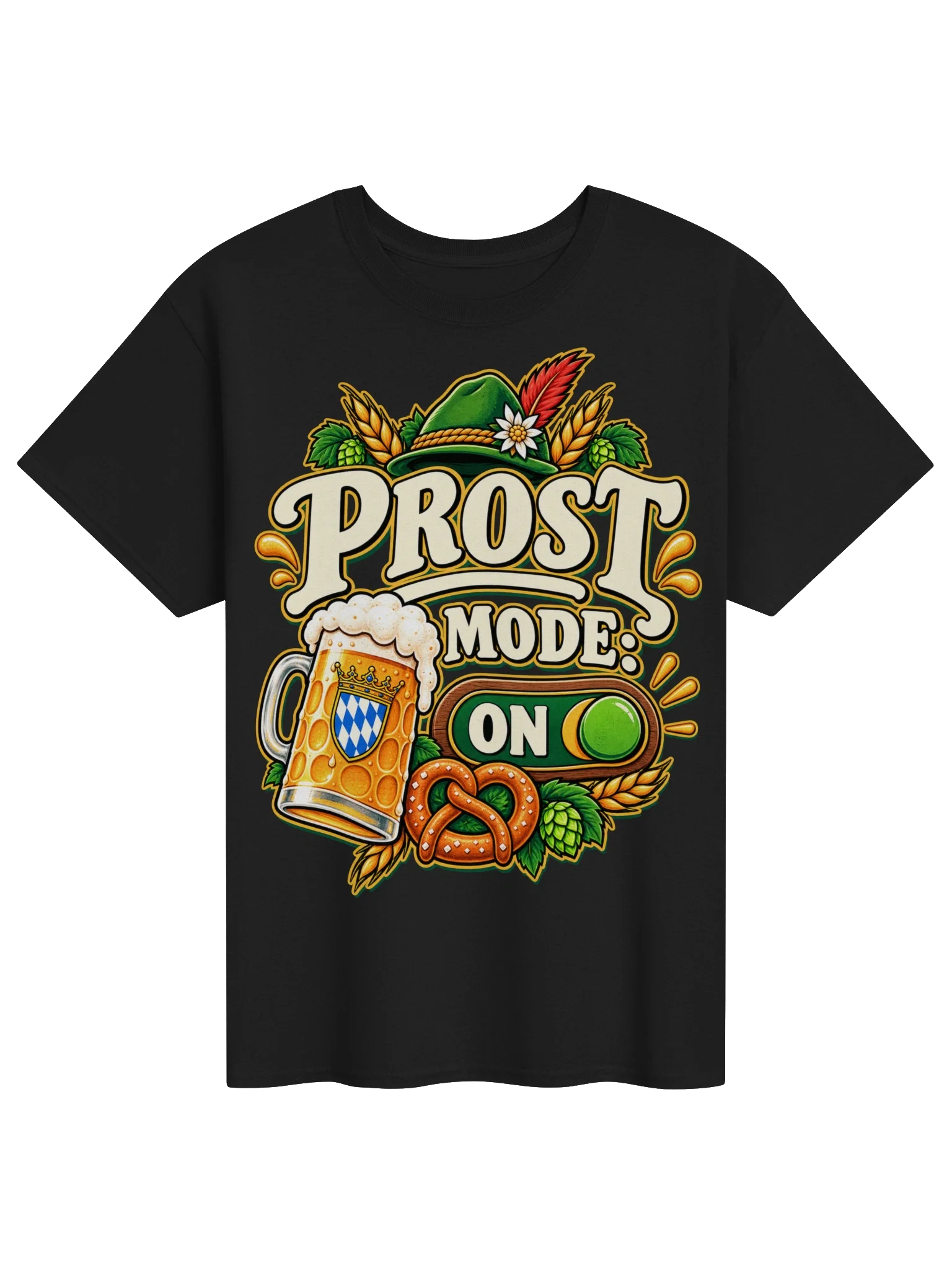
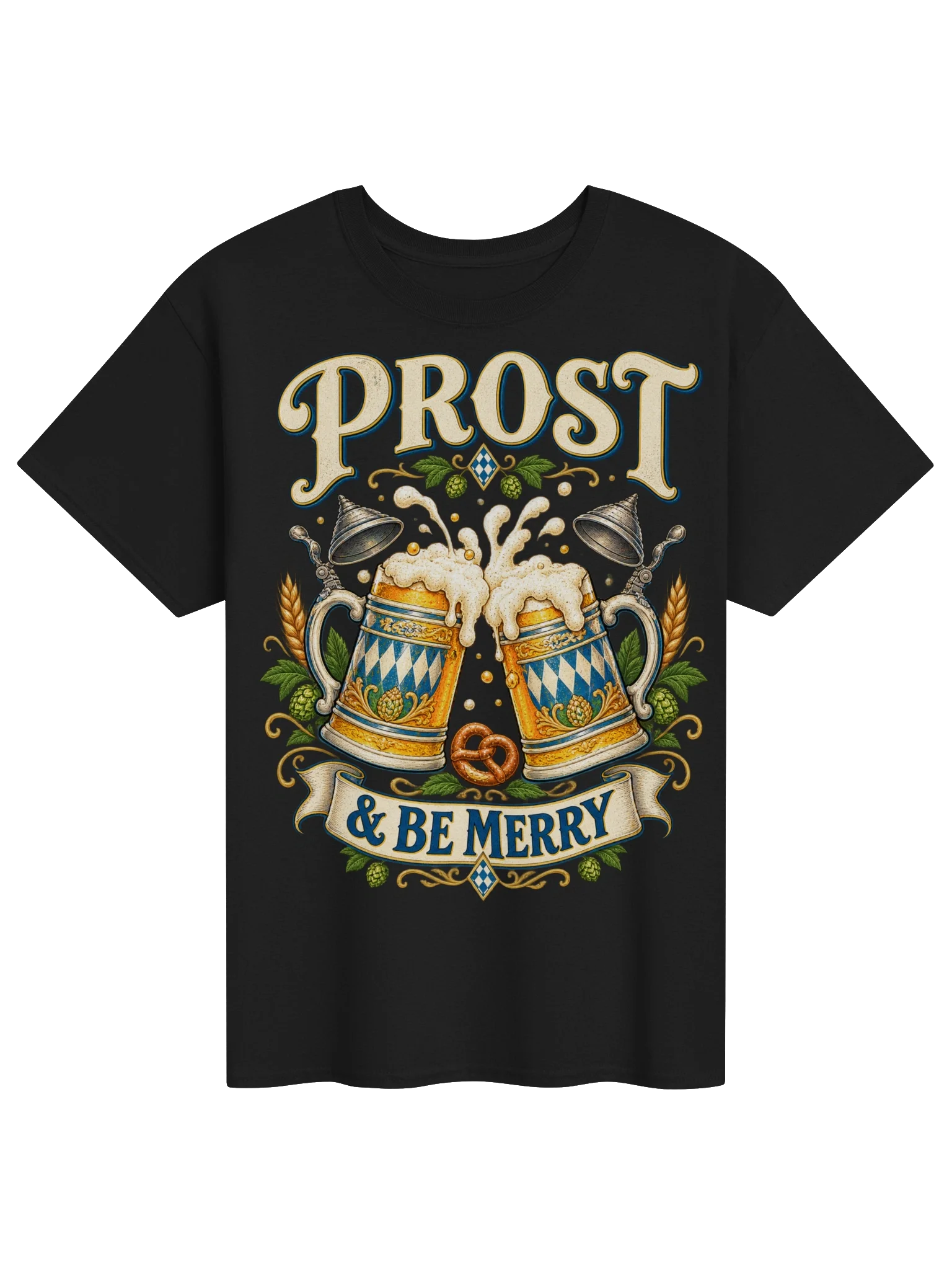
A Prost design is usually the simplest choice because the word already belongs at the table.
An Ein Prosit design feels more closely tied to the music and shared toast.
A few lighthearted lines that fit the mood
If you would rather let the clothing carry a visual reference than print a questionable translation, compare a blouse-style layer or a simple Bavarian hat. These are broad merchant searches, so verify the exact item rather than assuming every result is culturally or practically appropriate.
Browse Women's Lace Oktoberfest Blouses
Search Amazon for lace and puff-sleeve blouses that can be used in dirndl-inspired or casual festival outfits.
Best for: Women who want one dirndl-inspired element without buying a full outfitBrowse Bavarian-Style Oktoberfest Hats
Search Walmart for blue-and-white, alpine, and Bavarian-style hats for Oktoberfest outfits.
Best for: A plain shirt-and-jeans outfit that needs one obvious festival cueThese are not historic German sayings. They are modern festival lines built around familiar Oktoberfest themes:
- Prost to good company
- Save room for the pretzel
- Beer, brass, and better stories
- Meet me at the pretzel basket
- Gemütlichkeit starts at this table
- One more song before we go
- Raised on good food and loud toasts
The strongest lines sound like something a real person might say at the table.
The weaker ones sound as if a novelty shop discovered three German words and refused to stop.
Words that stay in the family
For some German-American families, the German language did not travel forward as full conversations.
It survived in pieces.
A greeting an Opa still used. A food name nobody translated. A toast said the same way at every holiday table. A word that sounded ordinary in childhood and meaningful years later.
Those fragments matter because voices are often remembered through repetition.
Saying Prost, hearing Gemütlichkeit, or wearing one familiar phrase does not recreate an entire language. It keeps one small sound from disappearing.
For the customs behind the words, read Oktoberfest Traditions Explained. For help building the rest of the look, see the Oktoberfest Outfit Guide.
Browse Men's Bavarian-Style Checked Shirts
Search Amazon for checked shirts suitable for casual Oktoberfest outfits and traditional-looking layers.
Best for: Men who want a stronger Oktoberfest look without buying full TrachtBrowse German-Color Crew Socks
Search Walmart for black, red, and gold crew socks that can add a subtle German detail.
Best for: People who prefer a small heritage detail rather than a full costumePhrase-led Oktoberfest designs
Choose a short line that matches the wearer
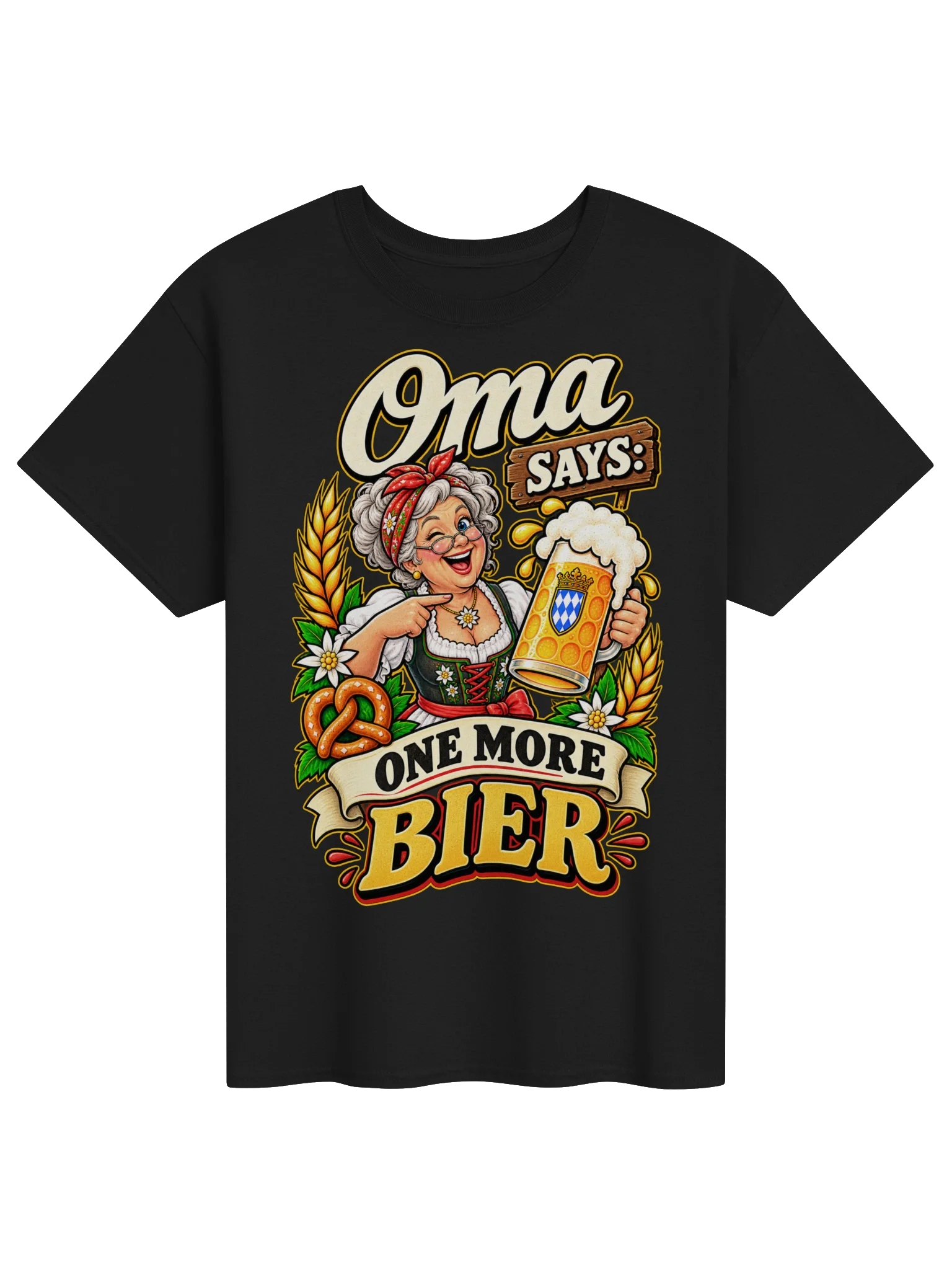
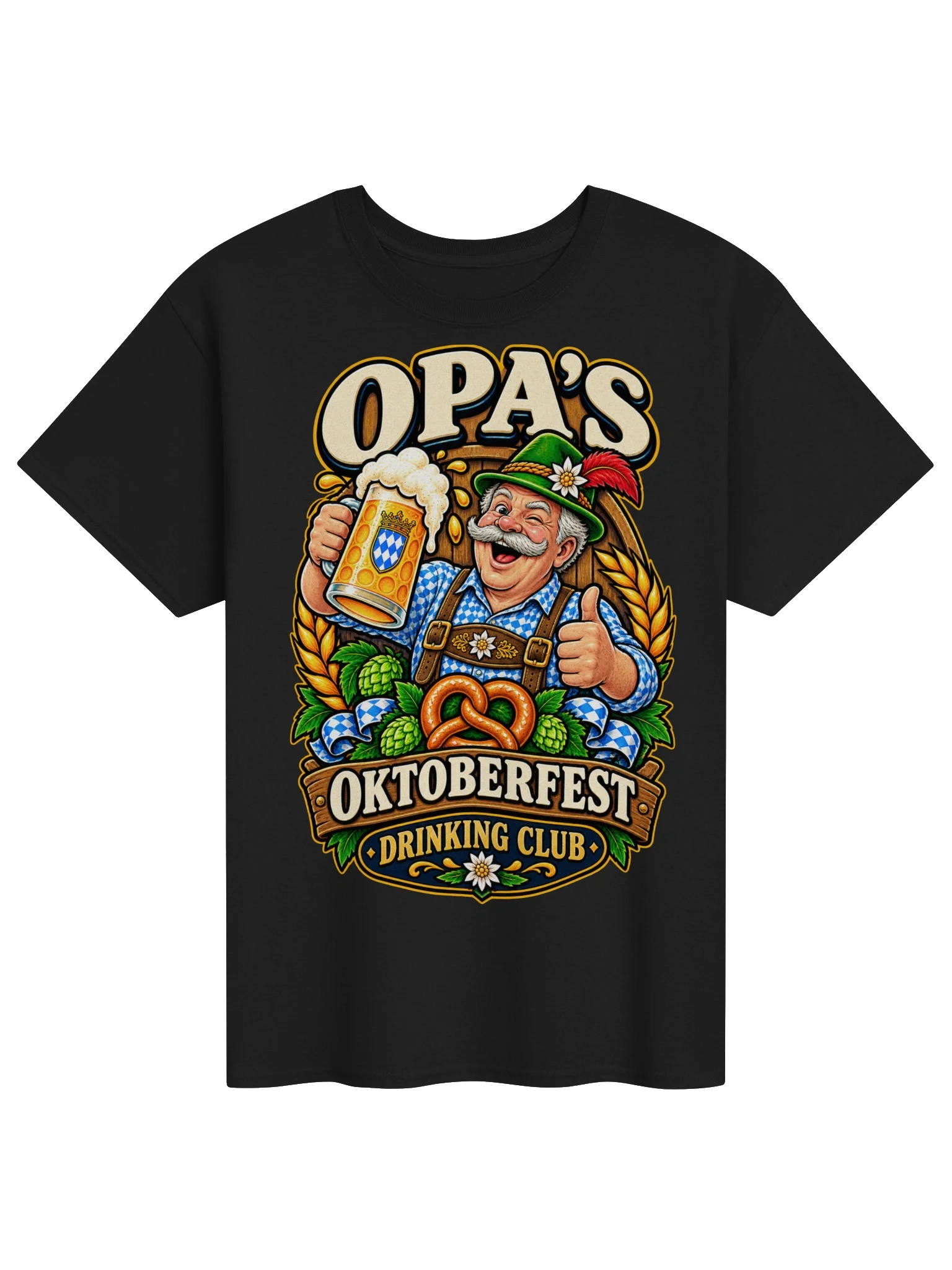
A direct Prost phrase is broadly readable; Oma and Opa humor works best when the family reference genuinely fits.
Frequently asked questions
Common questions
What does 'Ein Prosit' mean?
'Ein Prosit der Gemütlichkeit' means, loosely, 'a toast to good company and togetherness.' Bands play it throughout Oktoberfest, and guests raise their glasses at the end.
How do you say cheers in German?
'Prost!' is the everyday word for 'cheers.' 'Zum Wohl!' means 'to your health' and sounds a little more formal.
What does 'O'zapft is' mean?
'O'zapft is!' is Bavarian for 'It is tapped.' The mayor of Munich says it after tapping the first keg to open Oktoberfest.
What does 'Gemütlichkeit' mean?
'Gemütlichkeit' describes a warm, comfortable feeling of good company, ease, and belonging. There is no perfect one-word English translation.