
On this pageThe royal wedding that started Oktoberfest
Every autumn, millions of people gather for a festival that began with a royal wedding and somehow grew into sixteen or more days of music, food, rides, traditional clothing, and very large glasses of beer.
That is Oktoberfest in one sentence.
The longer answer is more interesting. Oktoberfest is not simply a beer festival, and it is not a costume party. It is a Bavarian folk festival with more than two centuries of history behind it. Munich’s event is the original; celebrations elsewhere have developed their own local forms.
Four words that make Oktoberfest easier to understand
- Oktoberfest
- The annual Bavarian folk festival held on Munich's Theresienwiese.
- Wiesn
- The Bavarian shorthand locals use for the Theresienwiese and the festival experience.
- Theresienwiese
- The Munich fairground named for Princess Therese after the 1810 wedding celebration.
- Tracht
- Traditional regional clothing, including lederhosen and dirndls, worn by many festival visitors.
The royal wedding that started Oktoberfest
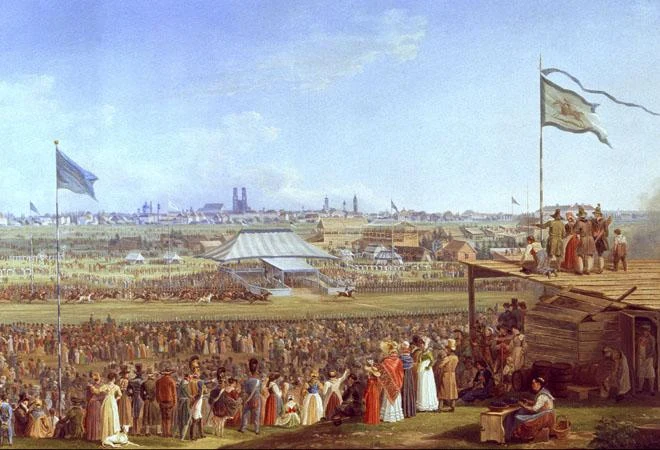
The first Oktoberfest was held in October 1810 to celebrate the marriage of Crown Prince Ludwig of Bavaria and Princess Therese of Saxe-Hildburghausen.
The people of Munich were invited to join the celebration on fields outside the city gates. Horse races were part of the event, and the gathering was popular enough to return the following year.
The fields became known as the Theresienwiese, or “Therese’s Meadow,” in honor of the bride.
More than two hundred years later, Oktoberfest is still held there.
It went over well enough that Munich kept doing it. That may be one of history’s more successful wedding receptions.
How the festival developed
The first celebration
Munich residents joined wedding festivities for Crown Prince Ludwig and Princess Therese, ending with a horse race.
The tradition continued
The festival returned the following year and began developing into a recurring public event.
Beer halls and tents expanded
Larger beer tents and halls replaced the earlier beer stands and helped shape the modern festival.
The keg-tapping opening began
Munich's mayor first opened Oktoberfest by tapping the first keg and announcing that it was tapped.
Why locals call it the Wiesn
Visitors usually say “Oktoberfest.” Many people in Munich simply call it the Wiesn, a shortened form of Theresienwiese.
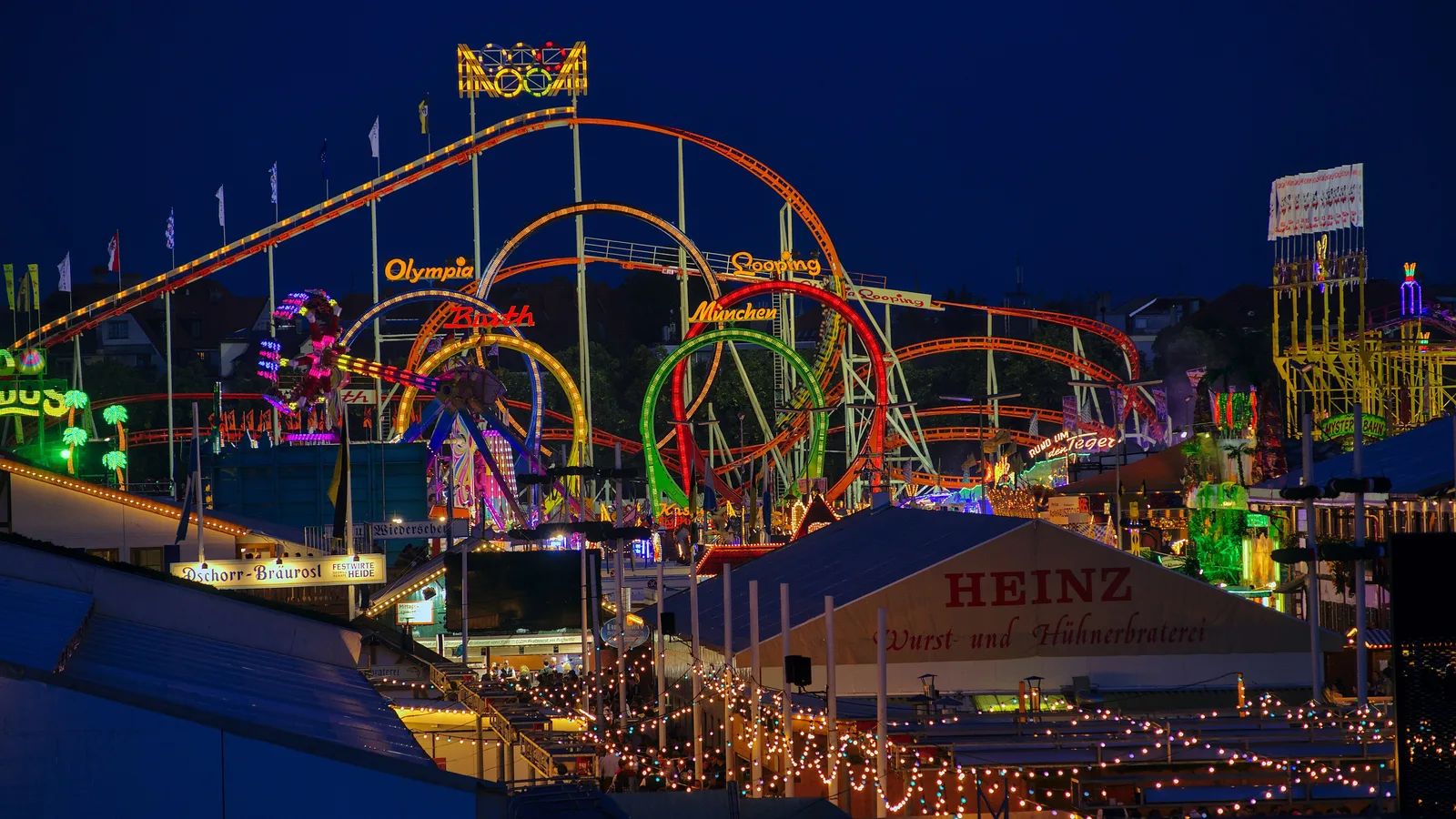
That name matters because Oktoberfest is not spread across the whole city. The main festival takes place on one large fairground filled with beer tents, food stalls, rides, games, and crowds moving between them.
When someone in Munich says they are going to the Wiesn, they mean more than a patch of ground. They mean the whole experience.
If you are planning that experience rather than researching its meaning, continue to the Munich Oktoberfest guide for admission, tents, reservations, transport and visitor rules.
Why Oktoberfest begins in September
The name makes the timing sound simple. Then the calendar says otherwise.
Oktoberfest now begins in September and continues into early October. Earlier dates offer longer days and generally milder weather than a festival held entirely later in autumn.
For the current start, end, opening ceremony and verified US schedules, use the dedicated Oktoberfest dates guide. This page keeps the historical reason rather than duplicating the live calendar.
The name stayed because the original celebration took place in October.
So yes, most of Oktoberfest happens in September. Munich has had plenty of time to reconsider the name and appears comfortable with the arrangement.
A timing misconception
Oktoberfest must take place entirely in October.
The modern festival usually begins in September and ends in early October.
The dates moved earlier over time to make better use of milder weather, while the historic name remained.Is Oktoberfest a beer festival or a folk festival?
It is both, but folk festival is the broader answer.
Beer is one of the most visible parts of Oktoberfest. The large tents, brewery signs, toasting songs, and one-liter mugs are hard to miss.
But the festival also includes:
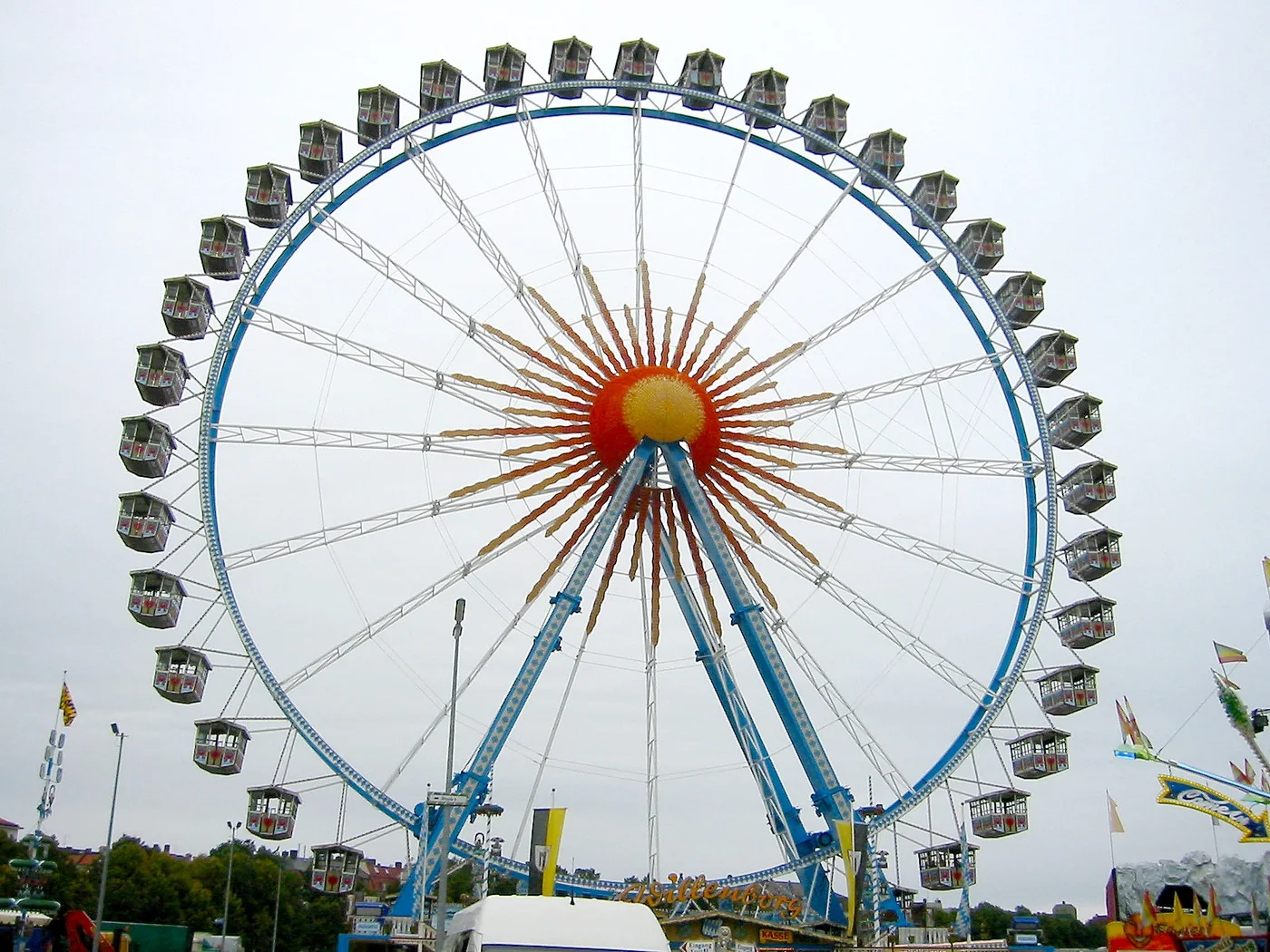
- Fairground rides
- Games and attractions
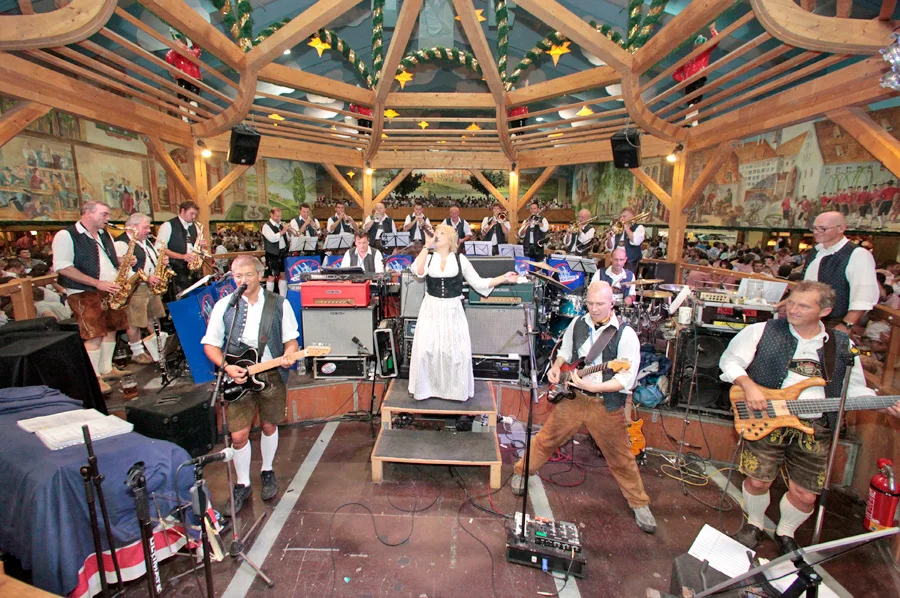
- Brass bands and live music
- Traditional Bavarian food
- Parades and opening ceremonies
- Tracht, including lederhosen and dirndls
- Family outings during the day
- Long shared tables where strangers often sit side by side
Someone who does not drink can still understand why the festival draws such a large crowd. The rides, food, music, clothing, and atmosphere are part of the event in their own right.
What the beer tents contribute
The word “tent” can be misleading. The largest tents function more like temporary halls, with long tables, bandstands and food service under one roof. They matter culturally because eating, music, toasting and shared seating happen together rather than as separate attractions.
The Oktoberfest beer guide explains Festbier, Märzen and the Munich breweries. The guide to “Prost” and Oktoberfest sayings owns the language and pronunciation questions.
The opening ceremony
Oktoberfest officially begins with the tapping of the first keg.
The mayor of Munich performs the ceremony and announces:
O’zapft is!
The Bavarian phrase means, roughly, “It is tapped.”
Only after that announcement does the festival beer begin to flow.
It is a brief moment, but it gives the opening day a clear starting point. Before the tap, people are waiting. After it, Oktoberfest is underway.
The keg tapping is only one of several customs. Our Oktoberfest Traditions Explained guide covers the opening rituals, shared tables, Tracht, music, and the habits that shape the day.
Food, clothing and the larger festival
Pretzels, roast chicken, sausages, pork dishes, potato sides, cheese spreads and apple desserts help make the Wiesn a food tradition as well as a beer event. Meals are served at the same shared tables where guests talk and listen to music. The traditional Oktoberfest food guide covers the dishes and a manageable menu for celebrating at home.
Traditional Bavarian clothing is common at Oktoberfest.
Men often wear lederhosen, while women may wear a dirndl. Together, these forms of traditional regional clothing are known as Tracht.
Tracht is not a disposable costume. It has cultural and regional meaning, and many people invest in pieces they wear for years.
Visitors are not required to wear it. Casual clothing is also accepted, especially for travelers who do not already own a traditional outfit.
The best choice depends on the setting, weather and walking involved. The Oktoberfest outfit guide covers traditional and casual routes; the shirt guide handles the simpler casual purchase decision.
Is Oktoberfest family-friendly?
During the day, Oktoberfest can be a family outing.
Children and parents come for the rides, games, sweets, food, music, and the fairground atmosphere. Older family members may prefer quieter daytime hours as well.
The mood changes as the day goes on. Evenings can become louder, busier, and more focused on the beer tents.
Families do not have to avoid Oktoberfest. They benefit from choosing the right time of day and planning around crowds, meals and rest. Current stroller, child and accessibility rules belong in the Munich planning guide because they can change.
Admission is a planning question, not part of the definition
Munich Oktoberfest is not one concert with one universal ticket. General grounds admission, individual attractions, the Oide Wiesn and beer-tent reservations are different things. Those terms change often enough that this historical explainer should not duplicate them. Use the current Munich guide before arranging a visit.
Munich Oktoberfest and festivals around the world
Munich’s Oktoberfest is the original. Other cities hold their own Oktoberfest celebrations, but they vary widely.
A local event may be:
- A German-American heritage festival
- A church or community gathering
- A brewery weekend
- A downtown street festival
- A family celebration with food and music
Some try to recreate the Munich atmosphere. Others mix German traditions with local food, music, and community history.
That is why an Oktoberfest in Texas may feel different from one in Wisconsin, and both will feel different from the Wiesn.
For verified 2026 examples, see Oktoberfest in America.
Choose the next guide by your actual goal
- Understand the calendar: use Oktoberfest Dates 2026.
- Visit the original festival: use the Munich first-visit guide.
- Find a US destination: compare major American Oktoberfests.
- Understand the customs: continue to Oktoberfest traditions.
- Plan a gathering at home: begin with Oktoberfest party ideas.
Why Oktoberfest still matters
The festival has changed greatly since 1810. The horse race is no longer the center of the day, the tents are larger, and visitors arrive from far beyond Bavaria.
Yet the basic shape remains familiar: people gather, eat, listen, raise a glass, and return the next year.
That repetition is what turns an event into a tradition.
The Munich festival belongs to its own place and history. The celebrations it inspired elsewhere belong to other towns, clubs, churches, breweries, and families.
Not every Oktoberfest looks the same. They stay connected because each one makes room for food, music, memory, and company.
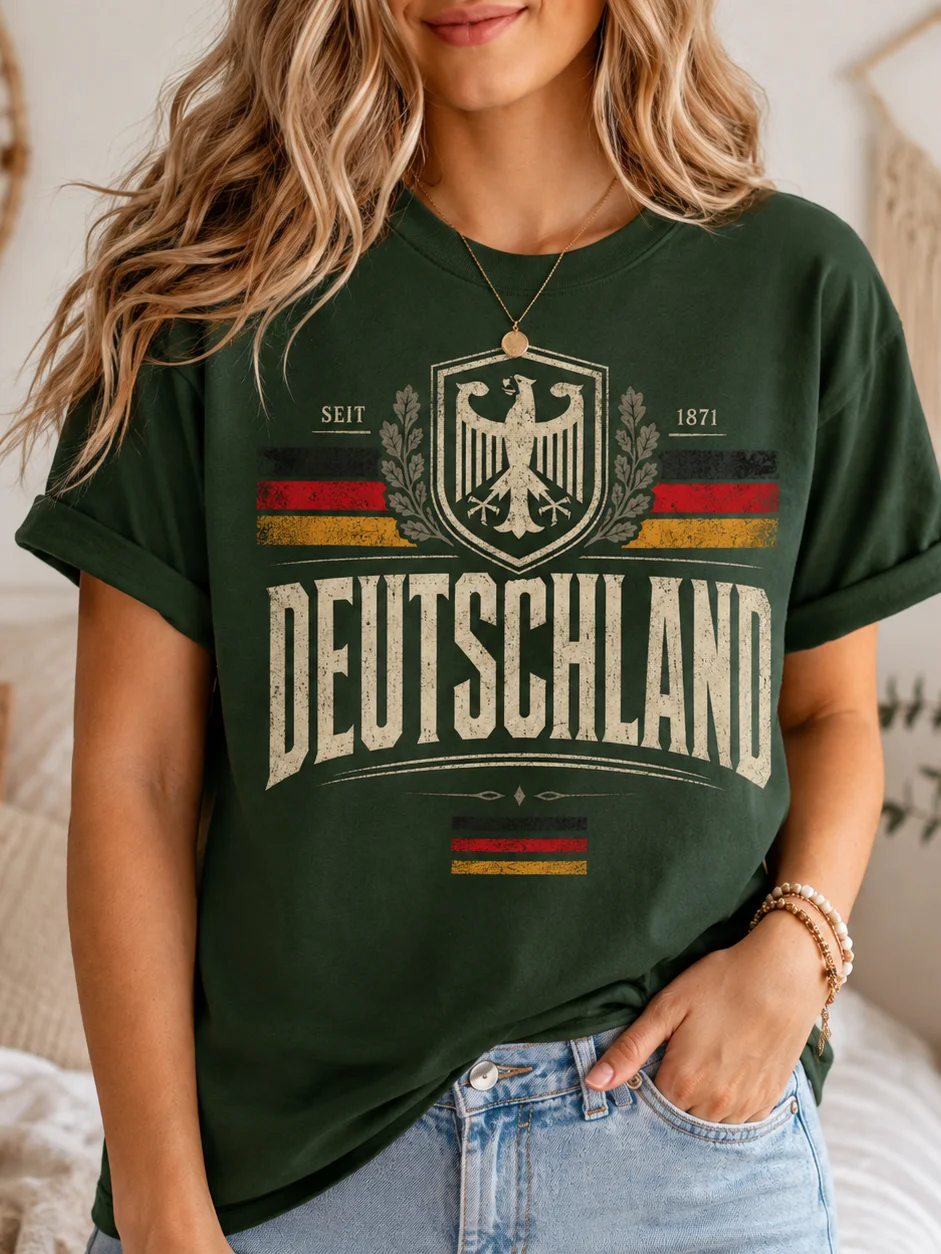
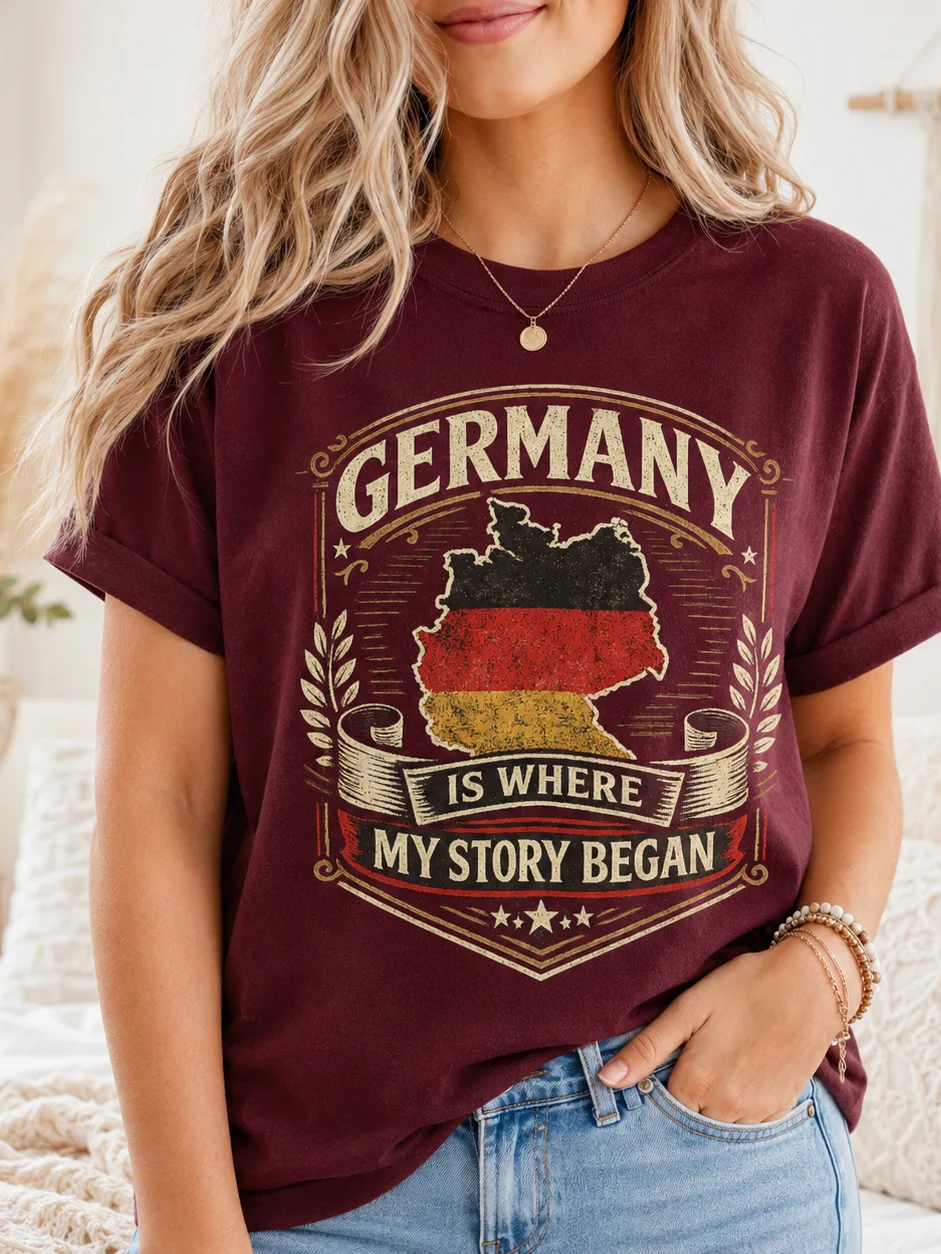
For people celebrating the season closer to home, a German word or familiar symbol can be an easy part of the day. The designs featured below add that personal detail without pretending to replace the tradition itself. The original belongs to Munich; celebrations elsewhere belong to the communities adapting it to their own tables, streets, clubs and family stories.
Featured German designs
German heritage designs for Oktoberfest season
Current MottoFox designs can add one personal heritage detail to a festival or family gathering.
Frequently asked questions
Common questions
When is Oktoberfest?
Oktoberfest usually begins in September and ends in early October. The exact dates vary by year, so visitors should check the official schedule before planning a trip.
Why is it called Oktoberfest if it starts in September?
The first festival was held in October 1810. Later celebrations were moved earlier to make better use of the milder September weather, but the original name stayed.
Where is Oktoberfest held?
The original Oktoberfest is held on the Theresienwiese fairgrounds in Munich, Germany. Locals often call the festival the Wiesn.
Is Oktoberfest only about beer?
No. Beer is a major part of the festival, but Oktoberfest is also a folk festival with food, music, traditional clothing, parades, fairground rides, family activities, and shared tables.
Can families go to Oktoberfest?
Yes. Many families visit during the daytime for the rides, food, music, and festival atmosphere. The mood can become louder and more crowded later in the evening.