
On this pageCommunities began with repeated arrivals
A German-American community needed more than German-born residents living near one another. It became durable when people built institutions that answered recurring needs: worship, schooling, news, credit, medical or burial aid, employment contacts, recreation and a place to meet.
The community was an infrastructure
- Chain migration
- Repeated arrivals through family, hometown and regional contacts, creating enough settlement density for institutions to survive.
- Mutual aid
- Member-supported assistance for illness, death, burial, unemployment or other hardship before broad public welfare systems existed.
- German-language public sphere
- Newspapers, lectures, meetings and organizations through which people exchanged information and argued about community affairs in German.
- Turnverein
- A gymnastics association that often combined physical education, social life and civic or political activity.
Communities began with repeated arrivals
One family could preserve customs at home. A community required enough people to support regular institutions.
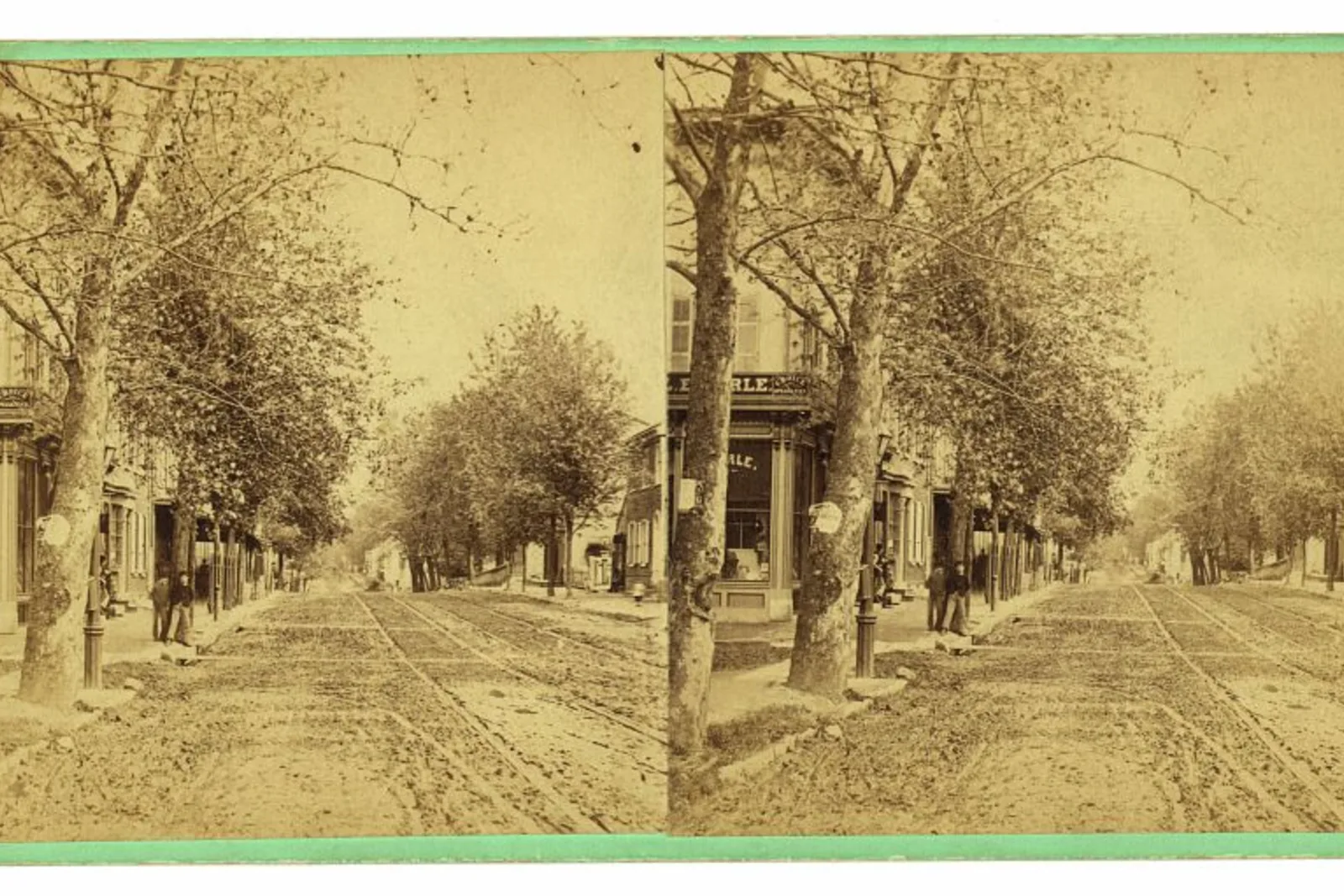
Chain migration supplied that density. Earlier settlers wrote to relatives and acquaintances, recommended destinations and sometimes arranged work or temporary lodging. Later arrivals then helped the next group. The process could concentrate migrants from the same European region in one county, town or neighborhood, but it did not produce complete sameness.
The first useful institution might be informal: a room used for worship, a store counter where letters were collected, a boarding house that connected workers with jobs, or a teacher paid by several families. Permanent churches, halls and newspaper offices usually came later, when the population and resources could sustain them.
The regional choice behind those settlements is covered in Why So Many Germans Chose the Midwest. The daily experience inside them is covered in What Life Was Like for German Immigrants. Here the central question is how separate needs became an organized system.
From settlement cluster to community system
Contacts create a foothold
Relatives, employers, boarding houses and informal worship connect newcomers to a place.
Congregations and schools form
Families organize regular worship, religious instruction and language education.
Businesses and newspapers expand
Stores, trades, printers and publishers serve a recognizable German-speaking readership.
Clubs and mutual aid multiply
Singing societies, Turnvereins, benevolent groups and halls organize recreation, insurance and civic activity.
Institutions adapt or decline
English use, mobility, changing politics and wartime pressure alter the institutions and their public visibility.
This sequence was not automatic. Small settlements might never support a newspaper. A church could precede a town plan in one place and follow a commercial district in another. The value of the sequence is that each layer solved a different problem.
Churches and schools organized more than worship
Congregations were often among the first durable organizations because they combined belief, language, education and life-cycle records. Baptisms, marriages and burials created a documentary structure as well as a religious one. A church could sponsor a school, aid a family after a death, host meetings and connect a settlement to a wider denominational network.
Yet “the German church” did not exist as one institution. Catholics, Lutherans, Reformed Protestants, Mennonites, Jews and freethinkers organized differently. Even within one denomination, regional background and politics mattered. Religious division could produce several German-language congregations in the same city rather than one united church.
Schools carried similar complexity. Some taught primarily through a congregation; others were secular or connected to reform movements. German-language instruction helped families transmit literacy and faith, but schooling also became a point of conflict over public education, citizenship and language. Children often became the first generation to move comfortably between German at home and English in wider institutions.
Newspapers made dispersed settlements feel connected
A local newspaper could do several jobs at once. It reported news from Europe and American politics, printed shipping and market information, advertised jobs and businesses, announced meetings and deaths, and carried arguments about religion, labor, schools and elections.
That meant the German-language press was not merely a cultural keepsake. It was practical infrastructure. A farmer could read prices and legal notices. A new arrival could find an employer or room. An organization could summon members. Editors could connect readers across towns that had no single governing ethnic body.
The press also reveals division. German-language newspapers represented different parties, denominations and social classes. An editor’s position should not be treated as the opinion of all German Americans. The existence of debate is part of the evidence that these communities had a public life rather than one inherited script.
A dedicated article will later own the full history of German-language newspapers. This page keeps the narrower point: newspapers helped a community function across distance.
Businesses and mutual aid solved practical problems
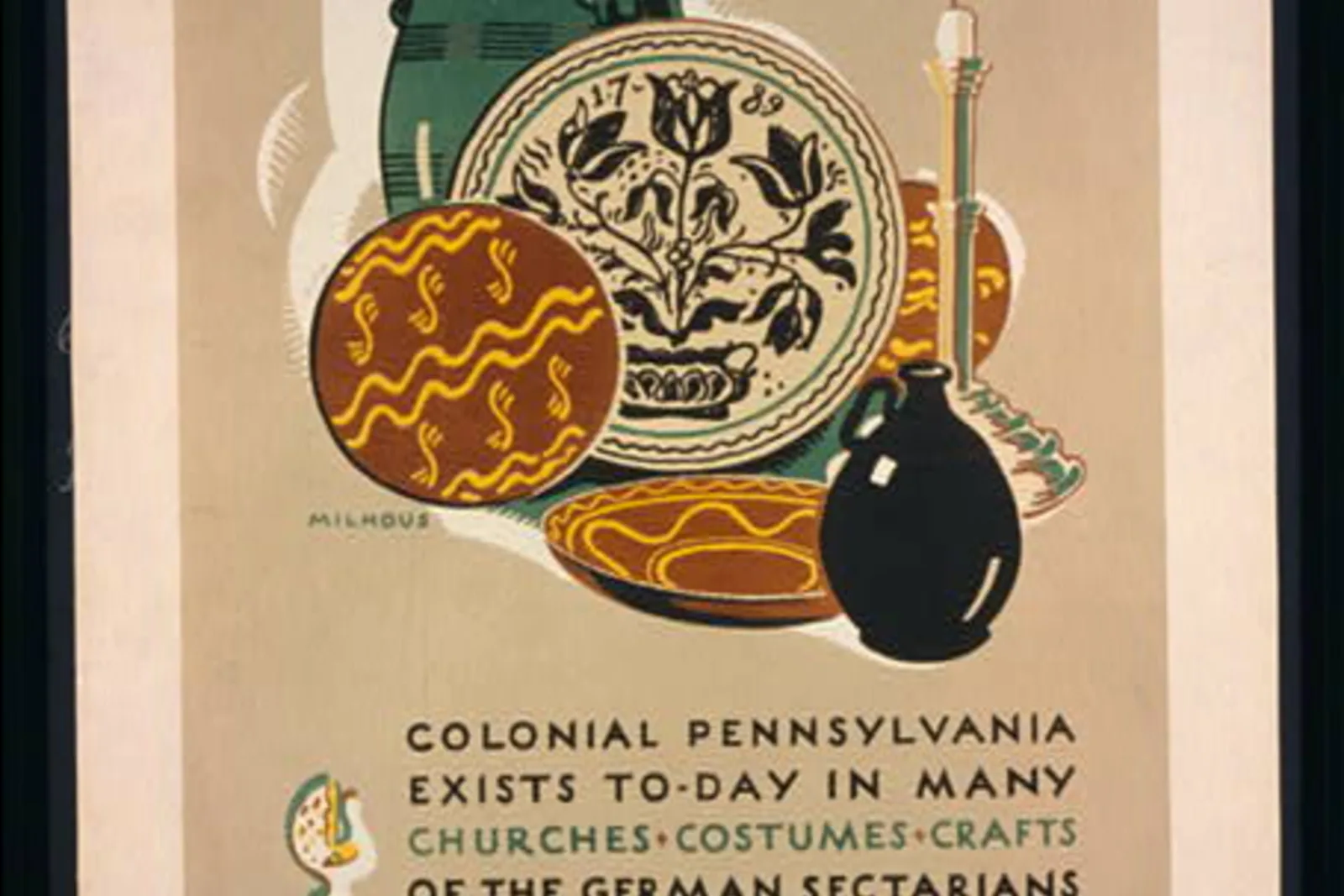
A German-speaking business could offer more than familiar goods. It could provide credit, employment, translation help and a place to exchange information. Grocers, bakers, butchers, printers, brewers, tradespeople and professionals formed local commercial networks while also participating in the wider city or farm economy.
Mutual-aid organizations addressed risks that families could not easily carry alone. Members contributed dues and received assistance during illness, unemployment or death. Burial societies and fraternal groups helped with expenses and ritual. These organizations were not modern public insurance programs, and their coverage could be limited, but they show why association mattered to working households.
Rural communities needed comparable infrastructure. A cluster of farms depended on mills, merchants, churches, schools and transport. Why So Many Germans Chose the Midwest explains the regional pull; community institutions explain how rural families remained connected beyond their own acreage.
Clubs created social life and trained civic habits
German-American associational life was unusually visible in many nineteenth-century communities. Singing societies organized music and performance. Turnvereins promoted gymnastics and often education or reform. Literary, shooting, dramatic and social clubs created regular public activity. Halls gave organizations a physical address.
These groups could influence the wider city. Concerts, festivals, lectures and athletic programs reached audiences outside the German-language community. Some Turners supported public physical education, labor reform or liberal politics. Other organizations were more conservative or deliberately nonpolitical.
The variety matters. A club might preserve language, provide recreation, advance a cause or simply offer companionship after work. Membership could exclude people by gender, class, religion or politics. Institutions built solidarity for some members while drawing boundaries around others.
Community did not mean unanimity
German immigrants built one unified ethnic community wherever they settled.
German-American communities contained competing churches, newspapers, political camps, regional identities and class interests.
Shared language made organization possible; it did not settle every disagreement.Ethnic institutions kept immigrants separate from American society.
Many institutions helped members participate in work, politics, education and civic life while using German.
Community maintenance and American participation were often intertwined rather than opposing choices.Local examples show different combinations
Chicago developed a large, socially diverse German population with neighborhoods, churches, newspapers, clubs, workers and business owners. St. Louis had dense German settlement and an influential German-language press. Indianapolis Germans organized congregations, associations and businesses within a city that never became a copy of Milwaukee or Cincinnati.
New Holstein, Wisconsin, offers a rural contrast. Its planned settlement and later institutions grew from a more concentrated migration project. It shows that community-building did not require a major industrial city, but rural scale changed which institutions were possible and how far people traveled to use them.
These examples are useful because they differ. Copying one city’s institutional list onto every German-American settlement would create a tidy but false national model.
English transition and war changed the system
By the late nineteenth and early twentieth centuries, many second- and third-generation German Americans used more English, moved away from old neighborhoods or joined institutions serving a wider public. Some German organizations adapted by changing language or purpose. Others lost membership.
World War I brought a sharper break. Anti-German pressure targeted language instruction, newspapers, public events and organizational names. Institutions that had once been visible markers of a large community became liabilities. Some closed; some shifted to English; some survived quietly.
The change explains why later descendants may inherit a church record, a hall, a surname or a family word without a clear account of the network around it. The community did not necessarily vanish. Its institutions changed names, languages and audiences.
What the institutions contributed beyond the community
German-American organizations were built first to serve their members, but their effects could extend outward. Educators advocated kindergarten and physical education. Musicians and singing societies contributed to concert life. Publishers and printers expanded local media. Workers and clubs participated in labor and political movements. Businesses became part of citywide markets.
Those institutions also changed the cities around them. The distinction is useful: this page explains how the community machinery was built, while What Life Was Like for German Immigrants shows how people encountered it in ordinary life.
German-American communities endured when they could keep solving real problems. Language and memory mattered, but a community survived through classrooms, meeting rooms, workplaces, newspapers, aid funds and people willing to organize the next event. That is less romantic than a single founding story—and more accurate.
Institutions required money, labor and repeated trust
Buildings and organizations did not appear simply because a settlement wanted them. A congregation needed dues, donated labor, clergy and a place to meet. A newspaper needed presses, paper, advertisers, subscribers and editors able to survive political disputes. A mutual-aid society depended on members continuing to pay before they personally needed assistance.
That practical burden helps explain why institutions sometimes merged, split or failed. A small rural settlement might share a pastor across several congregations. A newspaper could close when subscribers moved or shifted to English. A club hall could become financially vulnerable after one generation lost interest. Institutional survival was work carried out week after week, often by people whose names are less visible than founders and officers.
Women’s labor was central even when formal leadership lists were male. Congregational groups raised money, organized meals, cared for sick members, taught children and sustained festivals. Family businesses relied on unpaid or under-recorded household labor. Community history becomes distorted when only charters, officeholders and building dedications are treated as evidence of who built the institution.
Institutions also negotiated with the wider city and state
German-language organizations operated inside American law and politics. Schools faced state education rules. Saloons and beer gardens encountered licensing and temperance campaigns. Labor clubs responded to employers and police. Churches purchased property and dealt with municipal services. Newspapers fought libel cases, postal rules and political opponents.
These interactions meant that an ethnic institution was never entirely inward-facing. It translated between members and public authorities, sometimes defending language or customs and sometimes encouraging adaptation. Its leaders could bargain for recognition while ordinary members used it simply to find work, worship or spend an evening with friends.
The community was therefore not a parallel country inside the United States. It was a network of organizations negotiating a place within a changing American town or city.
An optional expression after the history
Carry the family story forward
These designs express a present-day connection to German-American roots; they are not historical evidence or a substitute for the sourced account.
Frequently asked questions
Common questions
Did every German-American community have the same institutions?
No. Institutions varied with population size, religion, wealth, politics, local law and whether the settlement was rural, small-town or urban.
Why were German-language newspapers important?
They supplied news, advertisements, political debate, community notices and links among settlements, helping create a German-language public sphere across distance.
What was a Turnverein?
A Turnverein was a gymnastics association that could also serve as a social, educational and sometimes political organization within a German-American community.
Why did many German-language institutions decline?
Generational language change, geographic mobility and World War I anti-German pressure weakened schools, newspapers and organizations, though many institutions adapted rather than disappearing at once.