
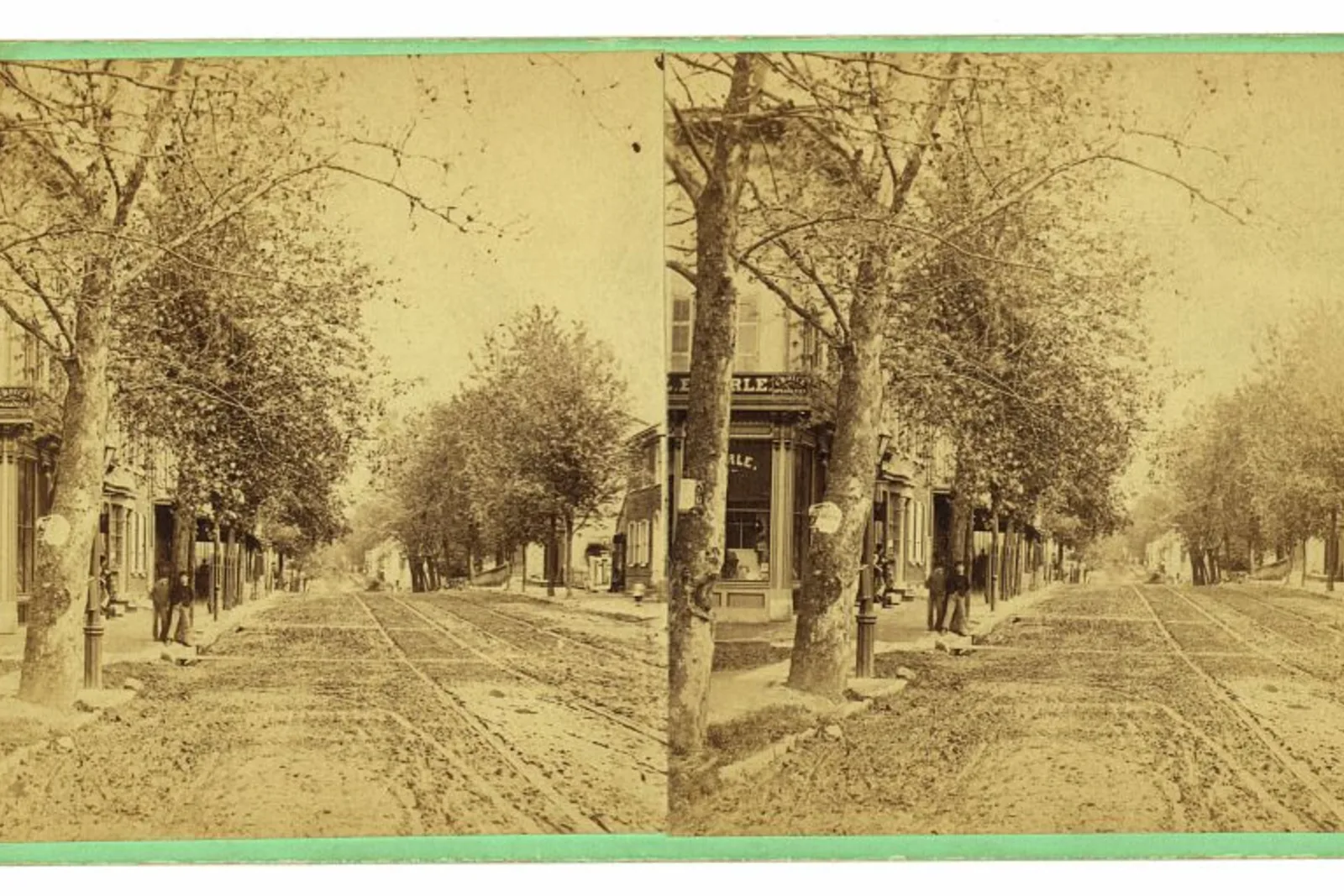
On this pagePennsylvania offered something the settlers could not take for granted
Germantown began with a planned settlement, not a chance gathering of travelers. Francis Daniel Pastorius had gone to Pennsylvania as the representative of German land purchasers. On October 6, 1683, thirteen German-speaking families associated with Krefeld arrived near Philadelphia and joined that project. Together they established the town that became Germantown.
That event is often called the beginning of German immigration to America. The phrase is useful only with one qualification: Germans had reached North America before 1683. Germantown matters because it was a lasting, organized German-speaking settlement with land, local government, worship, trades and family life—not because no German person had crossed the Atlantic earlier.
People and institutions in the founding story
- Germantown
- The settlement established northwest of Philadelphia in 1683 and incorporated as a town in 1689.
- Francis Daniel Pastorius
- A German-born lawyer and scholar who represented land purchasers and became Germantown's principal organizer.
- Frankfurt Land Company
- A group of German investors that purchased Pennsylvania land and sent Pastorius to manage its interests.
- Krefeld families
- The thirteen German-speaking Mennonite and Quaker households conventionally associated with the October 1683 founding.
Pennsylvania offered something the settlers could not take for granted
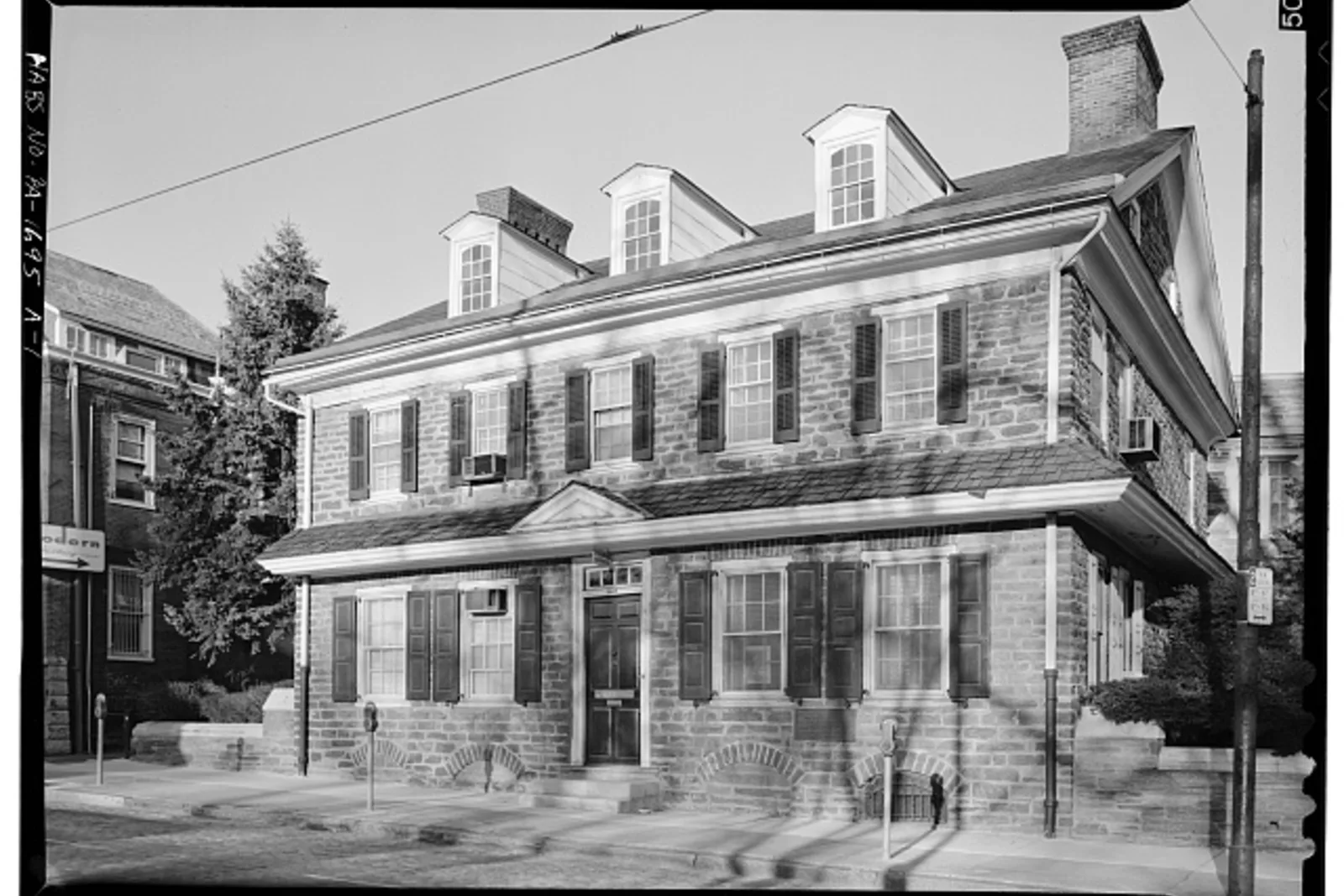
The town’s founding started before the families boarded a ship. William Penn received the Pennsylvania charter in 1681 and promoted the colony among religious communities in parts of Europe. His promise was not freedom in the modern, unlimited sense. Pennsylvania remained an English colony with laws, land claims and political inequalities. But its policies offered unusually broad room for Protestant dissenters to worship and organize communities.
That mattered to Mennonites, Quakers, Pietists and other groups whose beliefs could bring fines, exclusion or worse in parts of Europe. It also mattered to people looking for land and economic room. Religious refuge and material opportunity were not competing explanations. For many migrants, they belonged to the same decision: a household needed both the right to live by its convictions and a workable way to support itself.
German-speaking Europe was not one country in 1683. The settlers came from a region divided among many territories, churches and local identities. Krefeld lay near the Dutch border, and the families’ religious and cultural connections crossed borders that look cleaner on a modern map than they did in seventeenth-century life. Some sources describe the group as German Mennonites, some as German Quakers, and some note Dutch family origins. The safest description is a group of German-speaking families from Krefeld connected to Mennonite and Quaker networks.
Pastorius connected investors, land and settlers
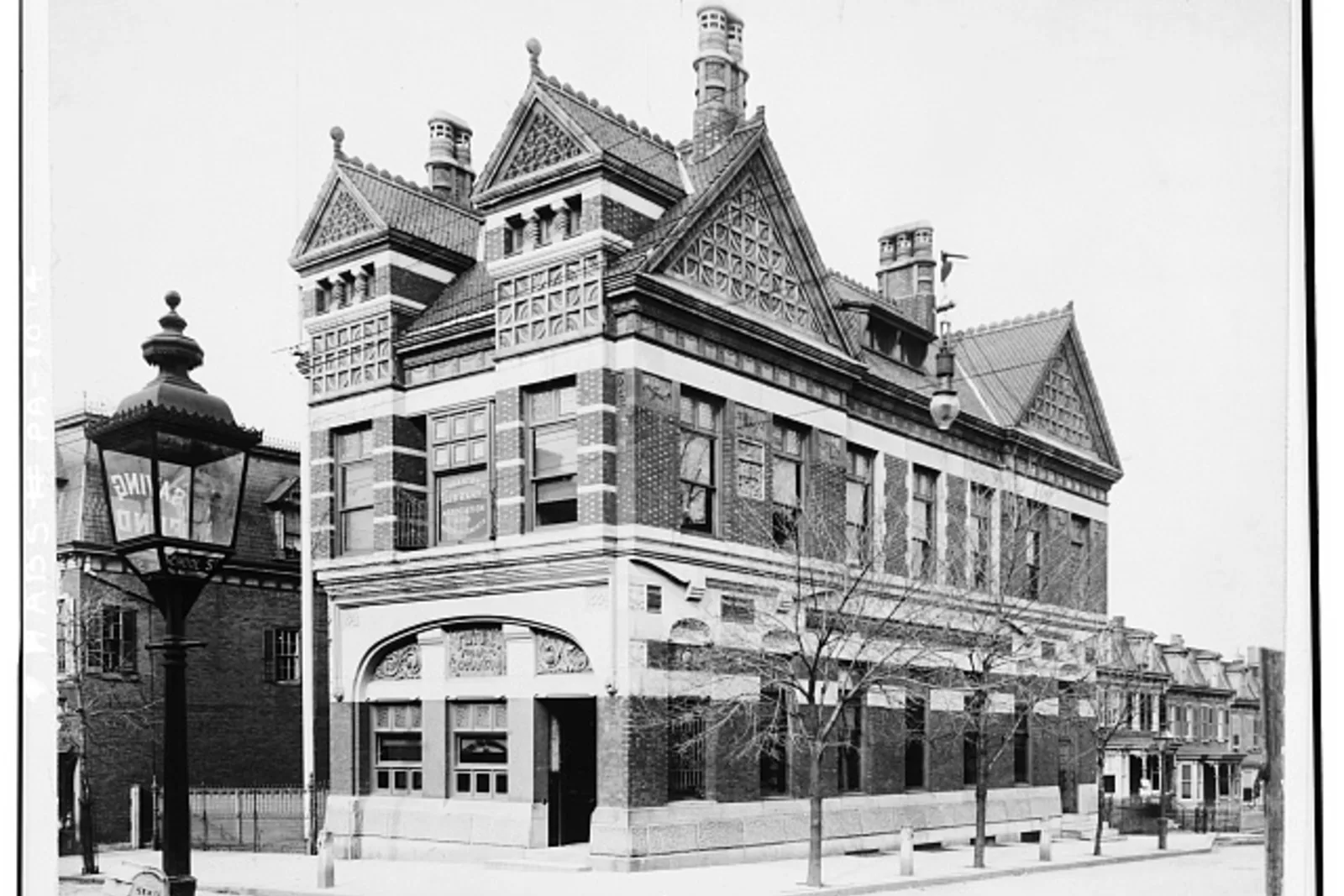
Francis Daniel Pastorius was not simply the oldest man on the ship or a village elder chosen after arrival. He was an educated lawyer commissioned to act for land purchasers. The Frankfurt Land Company had bought a large tract from Penn’s proprietorship, and Pastorius traveled ahead to inspect the colony, manage the claim and prepare a settlement.
The arrangement was complicated. German and Dutch purchasers held overlapping interests, and not every investor intended to emigrate. Pastorius became the practical person on the ground: he negotiated, divided land, kept records and helped shape local government. The Krefeld families were not merely tenants in his private town, but the settlement would have been far harder to organize without an agent able to translate contracts and colonial rules into actual lots and offices.
This is also why acreage figures can be confusing. Sources mention different amounts because the Frankfurt company, Krefeld purchasers and later township grants were not one single transaction. A clean sentence such as “Pastorius bought 43,000 acres and gave them to thirteen families” collapses several legal relationships into a story that sounds simpler than the evidence.
From Penn's colony to an incorporated Germantown
Pennsylvania chartered
William Penn receives the colony and promotes land and religious toleration to prospective European settlers.
Pastorius arrives
Pastorius reaches Pennsylvania to represent German land purchasers and prepare their settlement.
Krefeld families arrive
Thirteen German-speaking Mennonite and Quaker families reach Pennsylvania and establish the community remembered as Germantown.
Antislavery petition drafted
Pastorius and three other Germantown Quakers sign a protest against slavery and submit it through Quaker meetings.
Germantown incorporated
A corporate charter creates local offices and recognizes the settlement as a town.
Founding a town meant more than naming a place
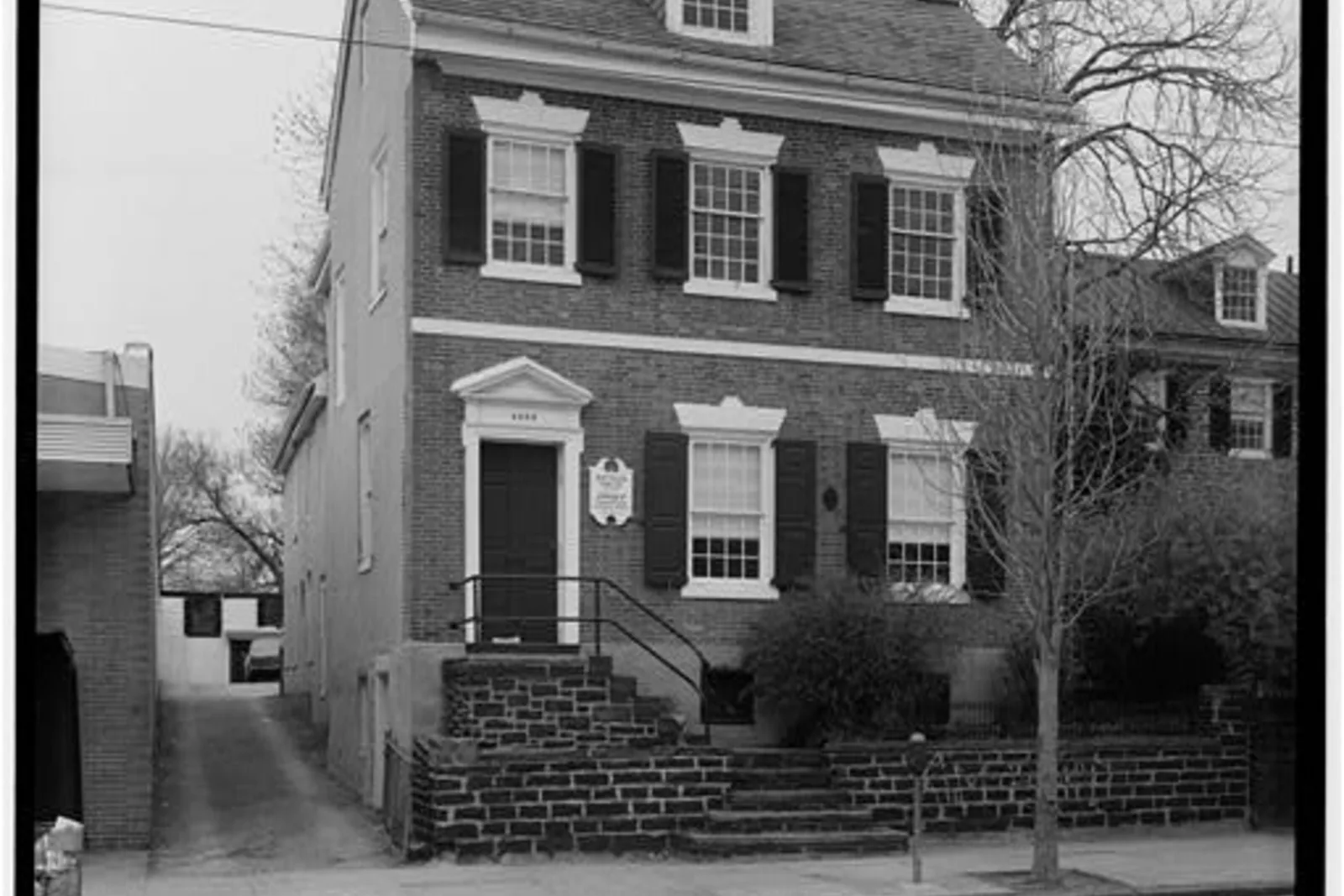
The word “founded” can make an early settlement sound finished at the moment of arrival. It was not. The families still had to make land usable, build shelter, establish routes to Philadelphia, organize worship and produce goods that could sustain a household. Their first years were a process of turning a paper land scheme into a community.
Germantown’s location helped. It stood only several miles from Philadelphia, close enough to trade with the growing port while retaining room for farms and workshops. The settlers brought textile skills, especially weaving, along with farming and craft knowledge. Household production mattered because a new town could not rely on a complete market arriving with it.
The settlement also had to govern ordinary disagreements. A charter and named offices did not make it democratic by modern standards, but they gave residents a local structure for property, rents and civic decisions. Pastorius served in several roles, including bailiff and record keeper. The town’s ability to continue after the initial investors faded from view is part of what makes it a settlement rather than a short-lived colonization project.
Its name also deserves a modest reading. “Germantown” marked the language and origins of many residents, but the community was not a miniature Germany transplanted intact. There was no unified German nation-state to copy. The town was built in Pennsylvania under English colonial authority by people with cross-border, denominational and commercial ties. It was German-speaking and American from its beginning in the sense that its institutions were already being reshaped by a new legal and social setting.
The 1688 petition belongs to the story—but does not replace it
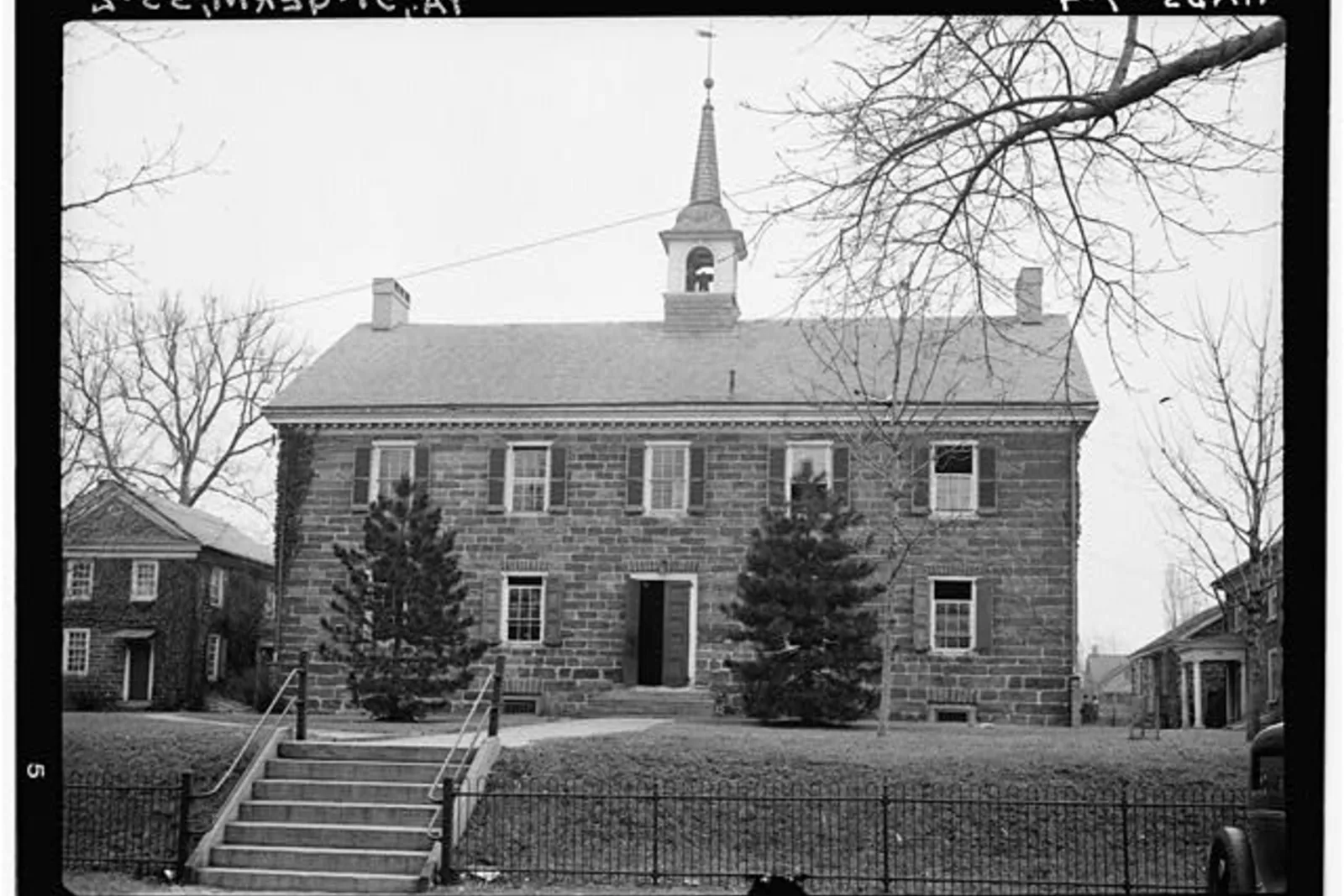
Five years after the founding, Germantown became the setting for a document with a much wider historical reputation. Pastorius, Garret Hendericks, Derick op den Graeff and Abraham op den Graeff signed a petition arguing against the buying and holding of enslaved people. They based their case on the Golden Rule: people should not inflict on others what they would not accept for themselves.
The petition is often described as the first antislavery protest made by a religious body in the English colonies. That is an important distinction. It shows that some early Germantown residents challenged slavery in moral and religious terms at a time when enslavement was growing in the colonies.
It did not, however, produce an immediate abolition policy. The local meeting referred the question upward, and the higher Quaker bodies did not take a decisive position then. The document survived because later generations preserved it, not because colonial Pennsylvania immediately followed its argument.
That limitation makes the episode more instructive, not less. Germantown contained people willing to state a radical moral objection, while the institutions around them were unwilling to act. The petition should neither be minimized as meaningless nor turned into proof that the whole settlement stood outside the colonial system of slavery.
What the word first should mean here
Germantown was the first time Germans arrived anywhere in America.
German individuals appeared in North American colonies earlier. Germantown's stronger claim is that it became the first lasting, organized German-speaking settlement commonly used to mark the beginning of German-American immigration history.
The narrower wording preserves Germantown's importance without erasing earlier people or turning a symbolic date into an absolute claim.The thirteen founding families were one uniform German religious group.
They shared German-speaking and Krefeld connections, but Mennonite, Quaker, Dutch and German affiliations overlapped.
Seventeenth-century identity followed locality, language, family and confession in combinations that do not fit one modern category cleanly.Why Germantown became a German-American starting point
A historical starting point does not have to contain every later feature of the story. Germantown was not the largest German community America would see. The much greater colonial migration came in the eighteenth century, and later German immigrants settled across cities, farms and states far beyond Pennsylvania.
What Germantown provided was a visible precedent. German-speaking settlers could acquire land, form congregations, work in their own language, publish and trade, and take part in local civic life while adapting to colonial institutions. Later migrants did not all pass through the town, but its survival showed that a German-speaking community could become durable in British North America.
The settlement also gives German-American history a concrete date without reducing that history to bloodline. October 6 points to named people making a difficult journey and building a place. Their descendants were not required to remain linguistically or religiously identical for the founding to matter. The significance lies in the community they created and the paths it helped open.
To follow the story beyond one town, read Who Were the Pennsylvania Germans?. That broader population included many people who did not share Germantown’s exact origins, denomination or settlement pattern.
What the surviving record lets us see—and what it does not
Germantown is unusually well documented for an early immigrant settlement because land companies, colonial officials and Pastorius left records. Those papers help historians follow purchases, lot divisions, offices and disputes. They also make the founding look more orderly than daily life probably felt. A deed can show who held a tract. It cannot show every hour spent clearing it, every illness during the first winter or every negotiation inside a household.
The imbalance matters when naming founders. Pastorius appears often because his job required writing, accounting and dealing with authorities. The household heads appear in lists because colonial property and legal systems recorded them. Women, children, servants and neighbors were essential to making the settlement endure, but their work is less visible in the formal documents. Calling thirteen families the founders is more accurate than imagining thirteen men built a town by themselves.
The records also warn against treating October 6 as a complete birth certificate for German America. The date identifies the arrival associated with Germantown’s founding. Settlement continued through later arrivals, marriages, departures and contact with English, Dutch and other communities. The town that survived was created over years, not completed in one ceremony.
That distinction is useful for family history as well as public history. A commemorative date gives people a place to begin, but it should lead back to names, congregations, land records and the wider colonial setting. Germantown deserves its symbolic role because a durable community grew there. Its history becomes stronger—not weaker—when the people missing from the clean founding story are acknowledged. That fuller view also keeps commemoration tied to evidence rather than repeating a polished origin legend.
An optional expression after the history
Carry the family story forward
These designs express a present-day connection to German-American roots; they are not historical evidence or a substitute for the sourced account.


Frequently asked questions
Common questions
Was Germantown the first German settlement in America?
It is commonly described as the first permanent, organized German-speaking settlement in the English colonies. German individuals had reached North America earlier, so the word first needs that narrower meaning.
Who was Francis Daniel Pastorius?
Pastorius was a German-born lawyer and scholar who represented land purchasers, managed the settlement, allocated property and served in Germantown public offices. He later helped draft the 1688 protest against slavery.
Were all of Germantown’s first settlers Mennonites?
Sources describe a mixed group connected to Mennonite and Quaker communities, and some families had Dutch as well as German cultural backgrounds. A single modern label makes the founding group look more uniform than it was.
Why is October 6 important in German-American history?
October 6, 1683 is the conventional date for the arrival of the Krefeld families who established Germantown. It later became the historical basis for German-American Day.