
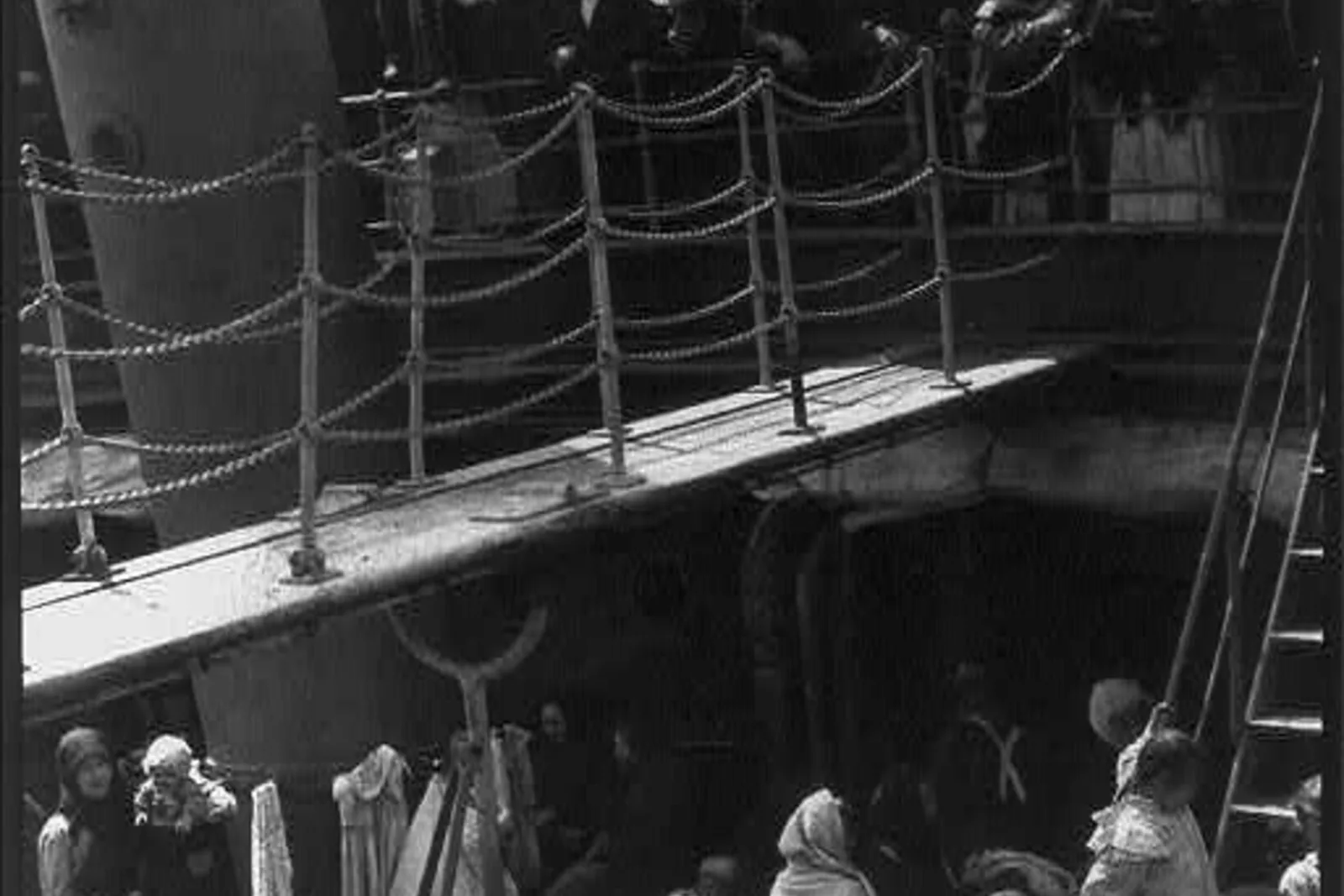
On this pageThe first foothold often came through another person
There was no single German immigrant life. A farm household in Wisconsin, a cabinetmaker in Cincinnati, a brewery worker in St. Louis and a shopkeeper’s family in Chicago shared a migration label, not one daily routine.
The differences that changed daily life
- Arrival period
- A migrant arriving in the 1840s entered a different economy and political climate from one arriving in the 1880s.
- Settlement type
- Farm, small town and city life created different work, housing and social networks.
- Household economy
- Wages, farm labor, food production, boarding, shop work and children’s labor could all support one household.
- German-language network
- Churches, newspapers, schools, businesses and clubs that let newcomers obtain information and participate before or alongside learning English.
The first foothold often came through another person
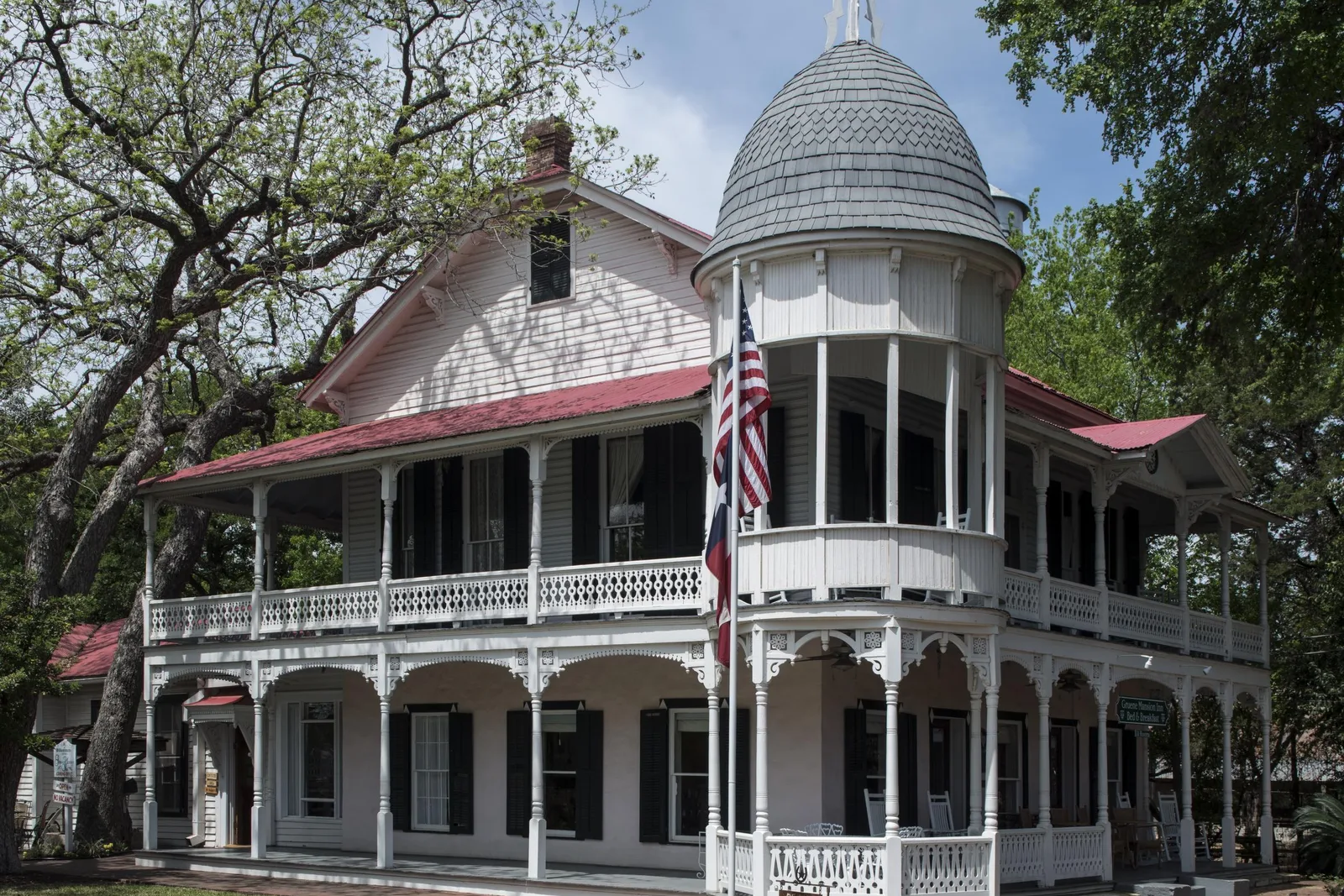
A migrant arriving with an address had an advantage over one arriving with only a destination. Relatives, former neighbors, church contacts and people from the same region could provide temporary lodging, explain local wages or introduce an employer.
That help did not guarantee comfort. A boarding arrangement could be crowded. A promised job might disappear. A newcomer could still face illness, debt, discrimination or a language barrier. Chain migration reduced uncertainty; it did not turn migration into an easy transfer from one settled life to another.
The same networks helped explain why particular towns and neighborhoods attracted repeated arrivals. Why So Many Germans Chose the Midwest covers the regional pull. At street and household level, the practical value was simpler: someone knew where to go next.
A changing immigrant daily world
Settlement networks grow
Earlier German-speaking settlers and rising migration create more destinations with familiar contacts.
Political refugees join economic migrants
The failed European revolutions add educated professionals, artisans and reform-minded migrants to a socially diverse population.
Farms and urban neighborhoods expand
German-language churches, newspapers, schools, clubs and businesses become increasingly visible.
Industrial work grows
More immigrant and second-generation households depend on factory wages, trades and urban commerce.
Public German life contracts
War-era suspicion and language restrictions damage schools, newspapers and organizations and accelerate shifts toward English.
The timeline is broad because families moved through it differently. A person might arrive as a farm laborer, become a tenant, then buy land. An artisan might open a shop or enter factory work as production changed. Children often experienced American schools and English-language workplaces more directly than their parents.
Work ranged from fields to workshops and factories
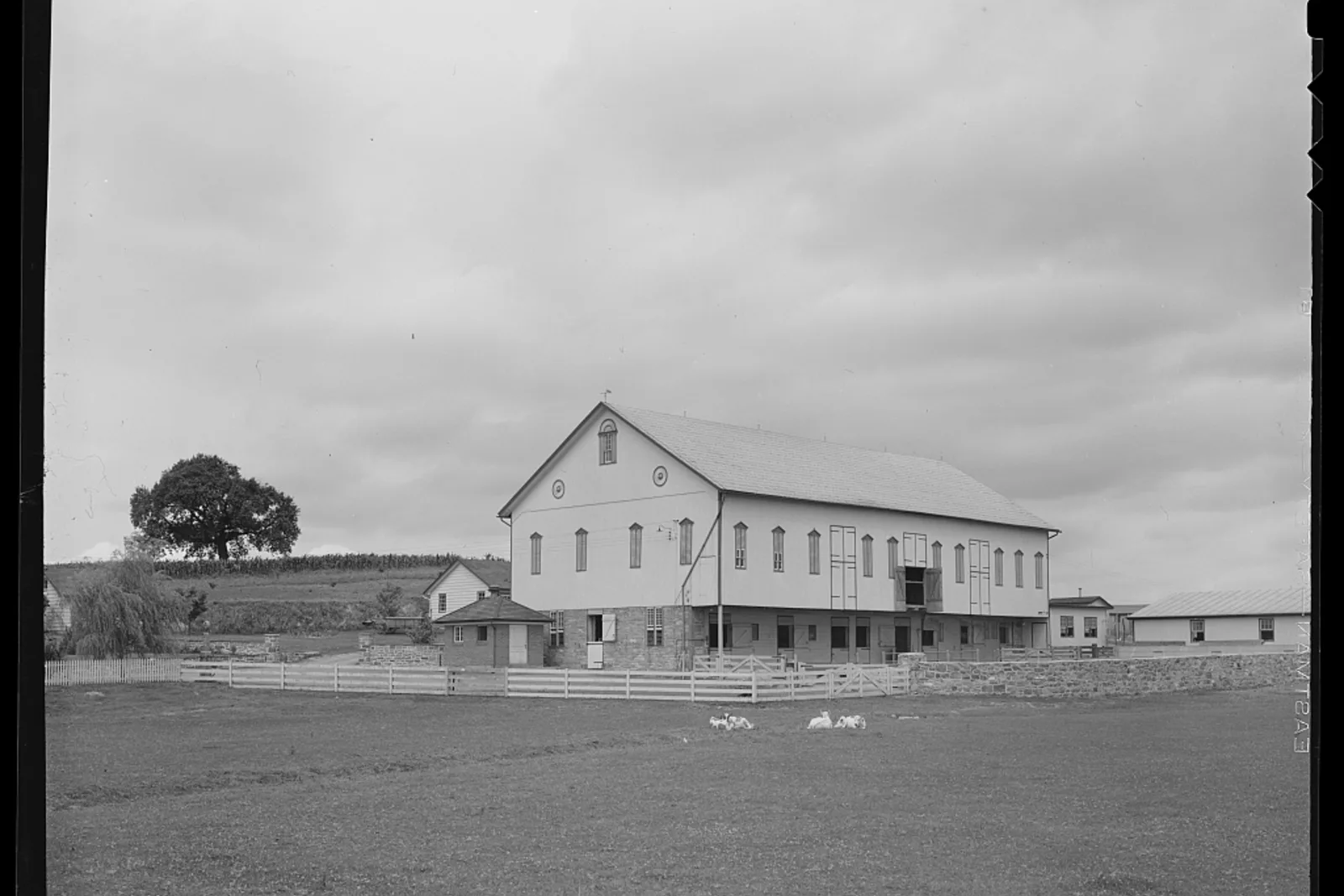
German immigrants worked across the rural and urban economy. Farming was prominent, particularly in the Midwest, but it was never the whole story. Bakers, butchers, carpenters, cabinetmakers, printers, tailors, machinists, shopkeepers and laborers appear throughout German-American communities. Brewing became highly visible in some cities, but using beer as the default image of German labor erases most occupations.
Farm work followed seasons and markets. It involved animals, crops, repairs, food preservation and household labor, not only field work. The wider settlement pattern is explained in Where Did German Immigrants Settle in America?.
Urban work could mean skilled independence or industrial discipline. An experienced craftsperson might find demand in a growing city, but mechanization changed trades and reduced control for many workers. Factory schedules, dangerous machinery and unstable demand affected German workers as they did others. Small businesses offered another route, often serving a multilingual neighborhood before reaching a wider market.
Women’s work is easier to understate because sources frequently record male occupations more clearly. Women managed households, took in boarders, worked in family shops, dairies and gardens, performed paid domestic or factory labor, and kept food, clothing and care work moving. The balance depended on class, place and household structure. There is no honest single sentence that divides all immigrant work neatly by gender.
Housing could signal both community and hardship
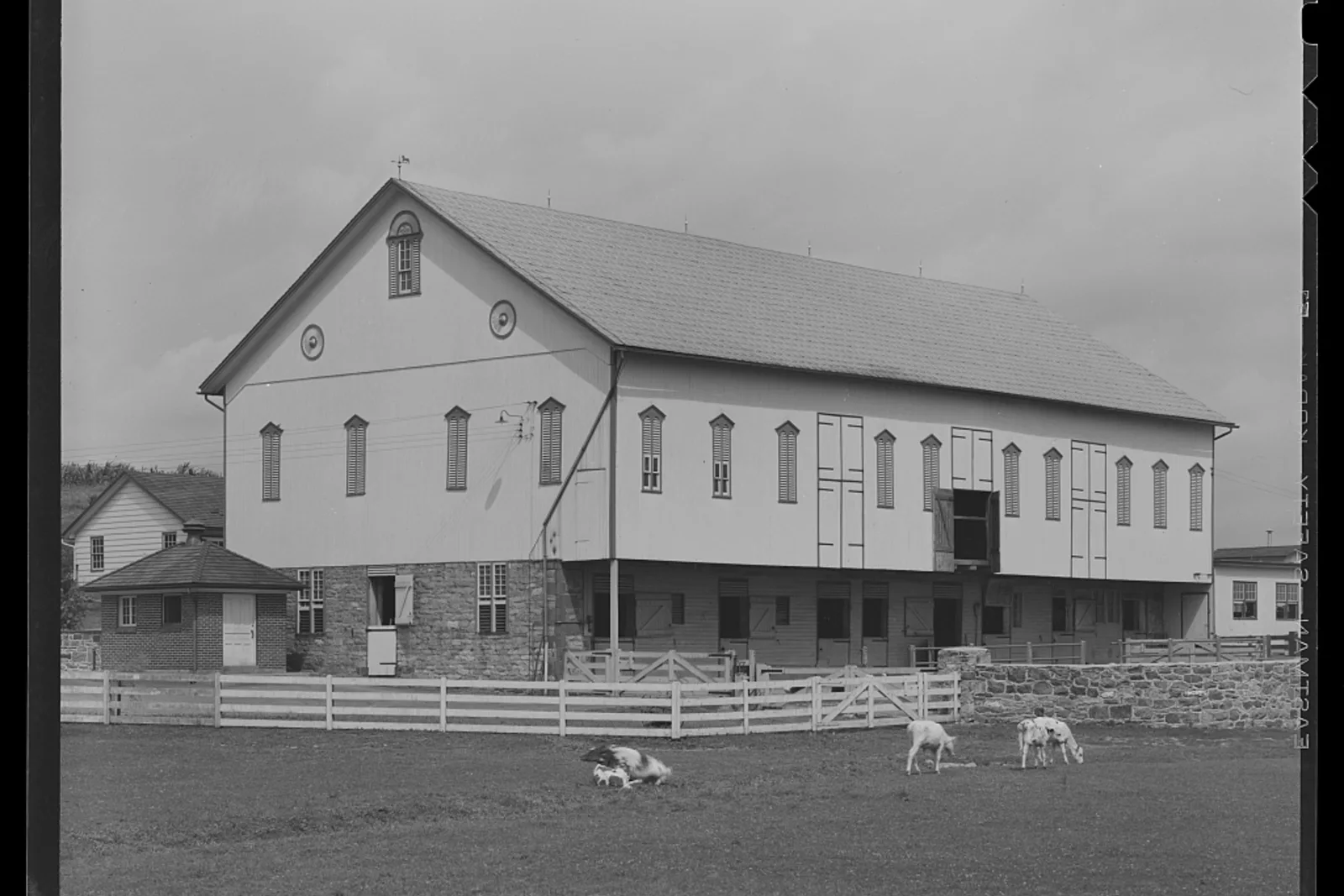
Living near other German speakers could make a neighborhood feel navigable. A church, grocer, newspaper office, hall and employer might all be within walking distance. That concentration supported everyday life and later institution-building.
It could also coincide with overcrowding and poor conditions. Industrial cities expanded faster than housing and sanitation in many districts. Working families rented rooms, shared buildings or took in boarders. Noise, smoke, disease and long commutes were not erased by the presence of a familiar language.
Rural households faced different pressures: isolation, weather, debt, crop failure and distance from markets or medical help. A family might have more space but less immediate support. The contrast between city crowding and rural independence is too simple unless both vulnerability and community are kept in view.
German could carry a person through much of the day
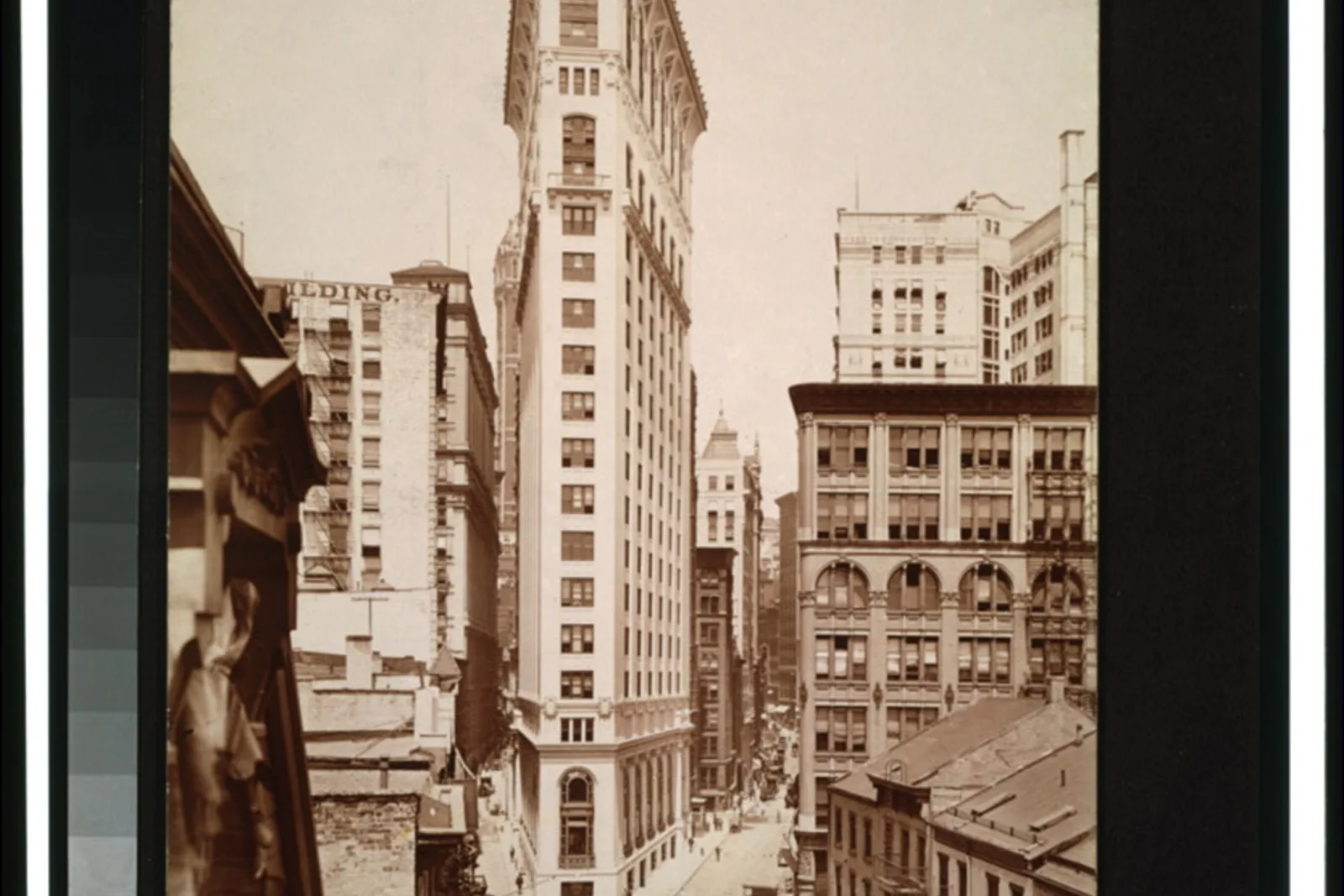
In a large German-speaking settlement, a newcomer might worship, shop, read news, attend a meeting and socialize in German. Newspapers printed local notices, political arguments, shipping information, advertisements and news from Europe. Churches organized worship and schooling. Businesses advertised to a known readership. Clubs created spaces for music, sport, debate and mutual support.
That did not mean English was unnecessary. Workplaces, government, courts and wider commerce often required it. Families became bilingual at different speeds, and children frequently moved toward English faster than adults. The pattern could create opportunity and tension at the same time.
The existence of a German-language world also did not prove unity. Catholic and Protestant institutions differed. Jewish German-speaking communities had their own religious and civic networks. Political radicals, conservatives and people who wanted little public politics did not speak with one voice. Regional dialects and class distinctions survived migration.
For how these separate institutions formed a working community system, see How German-American Communities Were Built. Here, their importance is personal: they helped people complete ordinary tasks and find company.
Social life was organized, not merely nostalgic
German immigrant recreation included singing societies, theaters, orchestras, Turnvereins, clubs, picnics, beer gardens and family outings. These were not identical in every community, and they were not simply attempts to recreate an unchanged homeland.
A Turnverein combined physical training with social and sometimes political life. A singing society could rehearse German music while also becoming a local civic organization. A beer garden could function as a family recreation space in one city and a commercial entertainment venue in another. Churches arranged festivals and aid; secular clubs offered alternatives to church-centered life.
These organizations helped newcomers meet people beyond kinship, but access and purpose varied. Some were divided by gender or class. Some were openly political. Some members cared more about music or exercise than ethnic preservation. “German club” is a category, not an explanation of what everyone inside believed.
Everyday life was neither complete isolation nor instant assimilation
German immigrants lived in closed communities and avoided American life.
They built German-language institutions while working in American markets, participating in politics and adapting to local schools, laws and workplaces.
Maintaining a language network and becoming part of American civic life were often simultaneous processes.German immigrants quickly prospered because they arrived with useful skills.
Skills helped some migrants, but work, housing and economic security varied widely by class, city, occupation and timing.
A visible business owner cannot stand in for laborers, domestic workers, struggling farmers or newly arrived boarders.Hardship sat beside institution-building
Strong organizations can make an immigrant group look secure in hindsight. The institutions were often built because insecurity existed.
Mutual-aid societies helped members during illness or death. Churches and benevolent groups assisted newcomers. Newspapers warned about fraud or connected workers and employers. Boarding houses provided an entry point when private housing was not affordable. These solutions are evidence of community capacity and of the problems people had to solve.
Economic cycles could close factories, collapse crop prices or reduce demand for a trade. Illness could remove a wage earner. Widows and children faced particular vulnerability in systems with limited public support. Political conflict inside German communities could split organizations or newspapers. The historical record contains success, but it does not support a smooth upward path for every family.
World War I changed what later generations inherited
When the United States entered World War I, German language and public culture became targets of suspicion. Schools reduced or ended German instruction. Newspapers lost readers or closed. Organizations changed names and public practices. Families sometimes avoided speaking German outside the home or stopped passing it to children.
This pressure did not erase German-American life in one moment. English use and generational change were already occurring. War intensified the change and made public German identity riskier. The effect is visible in family stories that retain a surname, food or grandparent term but little language or explanation.
Urban neighborhoods changed too. Their economic and physical legacy remained visible even after German-language public life declined.
Family records show fragments, not one typical life
A census occupation, city directory address, church record, newspaper notice or farm deed can reveal a piece of daily life. It rarely explains the whole household by itself.
“Laborer” does not identify the exact workplace. A farm schedule does not prove who performed each task. A German-language newspaper subscription does not establish political agreement with the paper. Family memory is valuable, but it should be marked as memory until other evidence supports it.
The most useful historical question is therefore narrower than “What were German immigrants like?” Ask what work this household did, where it lived, which institutions it used, which language appeared in its records and how those details changed across generations.
German immigrant life was built from ordinary decisions under unfamiliar conditions. Some people found land or a trade. Some lived with crowding and insecurity. Most navigated a world that was German-speaking in some rooms, American in others and changing around them before they had finished settling in.
Children often experienced migration differently from their parents
Adults could measure the new country against a life they remembered. Children might remember Germany only partly, or be born after the family arrived. School, play and work placed them in faster contact with English and with neighbors outside the German-speaking network.
That difference could make children practical interpreters for parents, especially in shops, schools or government offices. It could also create tension over language, occupation and marriage. Parents might value German literacy and church schooling while children saw English as the route to wider employment. Neither response proves stronger or weaker attachment; they reflect different positions inside the same household.
Generational change was uneven. A family might shift to English for work while keeping German worship, songs or grandparent terms. Another might retain the language longer because a rural settlement or urban neighborhood offered enough speakers. This is one reason descendants can inherit cultural fragments in very different combinations.
The surviving mix of language and custom was therefore a record of circumstances, not a test of loyalty or authenticity.
An optional expression after the history
Carry the family story forward
These designs express a present-day connection to German-American roots; they are not historical evidence or a substitute for the sourced account.
Frequently asked questions
Common questions
Did German immigrants live only in German neighborhoods?
No. Many clustered near relatives, churches or jobs, but settlement patterns varied and German immigrants also lived and worked among people from many backgrounds.
Did most German immigrants speak English when they arrived?
Fluency varied. German-language newspapers, churches, schools, businesses and social organizations helped many newcomers function while learning English or living in bilingual communities.
Was German immigrant life mostly prosperous?
No. Some families built farms and businesses, while others faced low wages, long hours, crowded housing, unstable employment or repeated moves.
Did German immigrants keep their culture unchanged?
No. Language, religion, food, recreation and family customs changed through contact with American institutions, other communities and later generations.