

On this pageThe name describes a political experience, not an immigration year
The German Forty-Eighters were people whose lives were changed by the revolutions of 1848–49 in the German states. Some fought in uprisings, organized political clubs or wrote for reform newspapers. Others supported constitutional change and left when the old governments recovered control. Many found refuge in the United States.
They became famous out of proportion to their numbers. Forty-Eighters founded and edited newspapers, joined debates over slavery and labor, organized immigrant associations, campaigned for the Republican Party and served as Union officers. That visibility can make them seem like the whole German migration of the period. They were not. They were one politically marked group within a much larger movement of families, workers and farmers crossing the Atlantic.
Political labels in the Forty-Eighter story
- Forty-Eighter
- A person associated with the 1848–49 revolutionary movements who emigrated after their defeat, especially a political refugee.
- Liberal
- In this setting, a supporter of constitutional government, civil rights and limits on monarchical power; not the same as a modern US party label.
- Democrat or republican
- A revolutionary who placed greater emphasis on popular sovereignty and, in some cases, replacing monarchy with a republic.
- Turner
- A member of a German gymnastic and civic association that often combined physical education, social life and political participation.
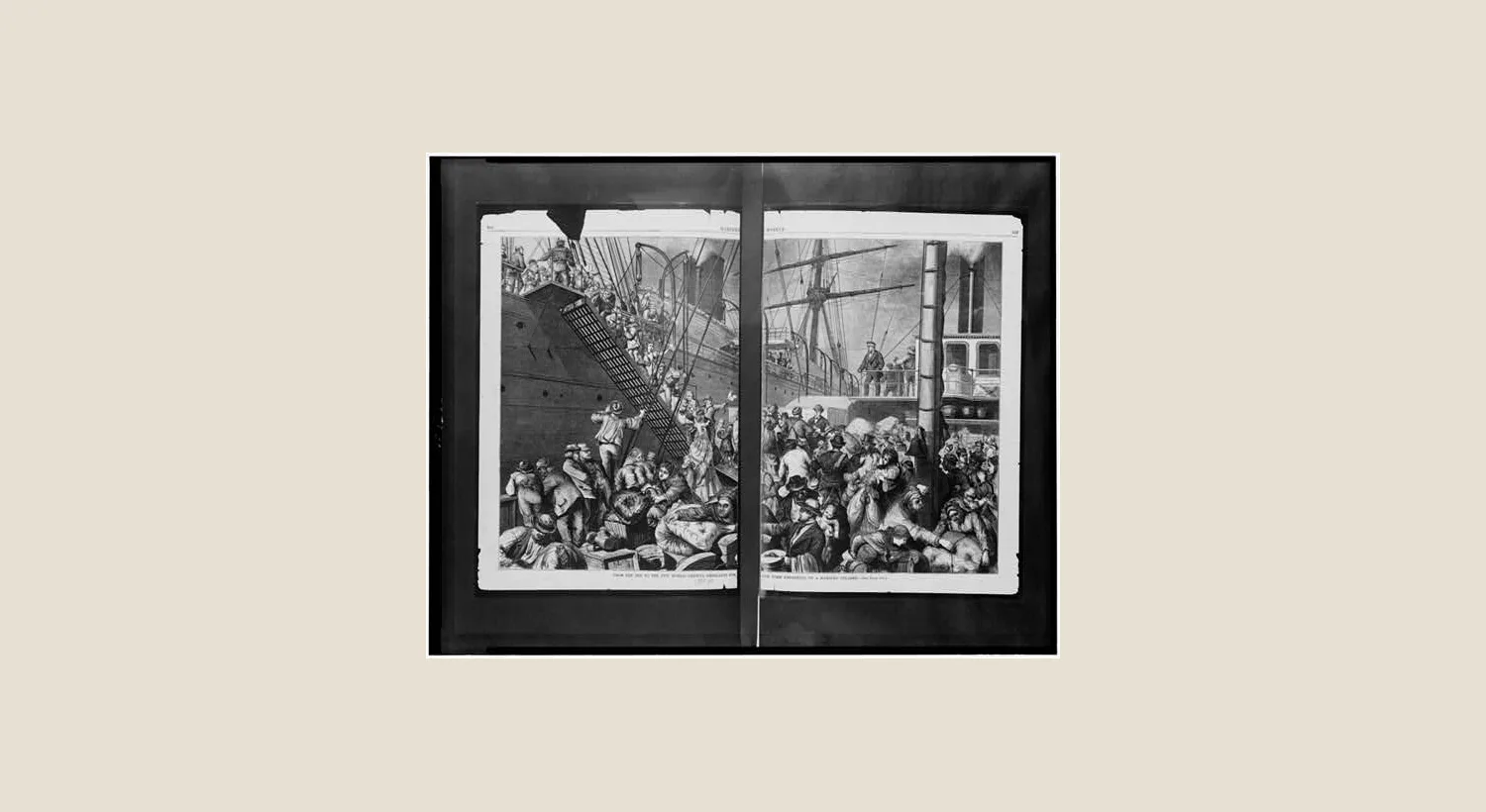
The name describes a political experience, not an immigration year
“Forty-Eighter” sounds as though it means anyone who arrived in 1848. It does not. The label points back to the European revolutions that began in 1848 and continued into 1849. People usually entered the category because they had participated in, supported or been identified with those movements and then left after defeat.
Even that definition has soft edges. Governments did not issue a Forty-Eighter passport. Some well-known exiles had clear records as speakers, soldiers, parliamentarians or newspaper editors. For many less public migrants, the evidence is thinner. A person may have left a German state in 1849 because of politics, because work had vanished, because a relative had already emigrated, or because all three pressures met at once.
The National Park Service biography of Henry Schlote shows the problem. Schlote arrived in the late 1840s and later served in German-heavy Union regiments, but his exact political role before migration is unclear. Calling every such immigrant a revolutionary would turn a plausible connection into a claimed fact.
This boundary matters because German migration was already large. Economic hardship, land opportunity and family networks would have sent many people to America even without the revolution. The Forty-Eighters were distinctive not because they were the majority, but because they brought recent political training and often entered public life quickly.
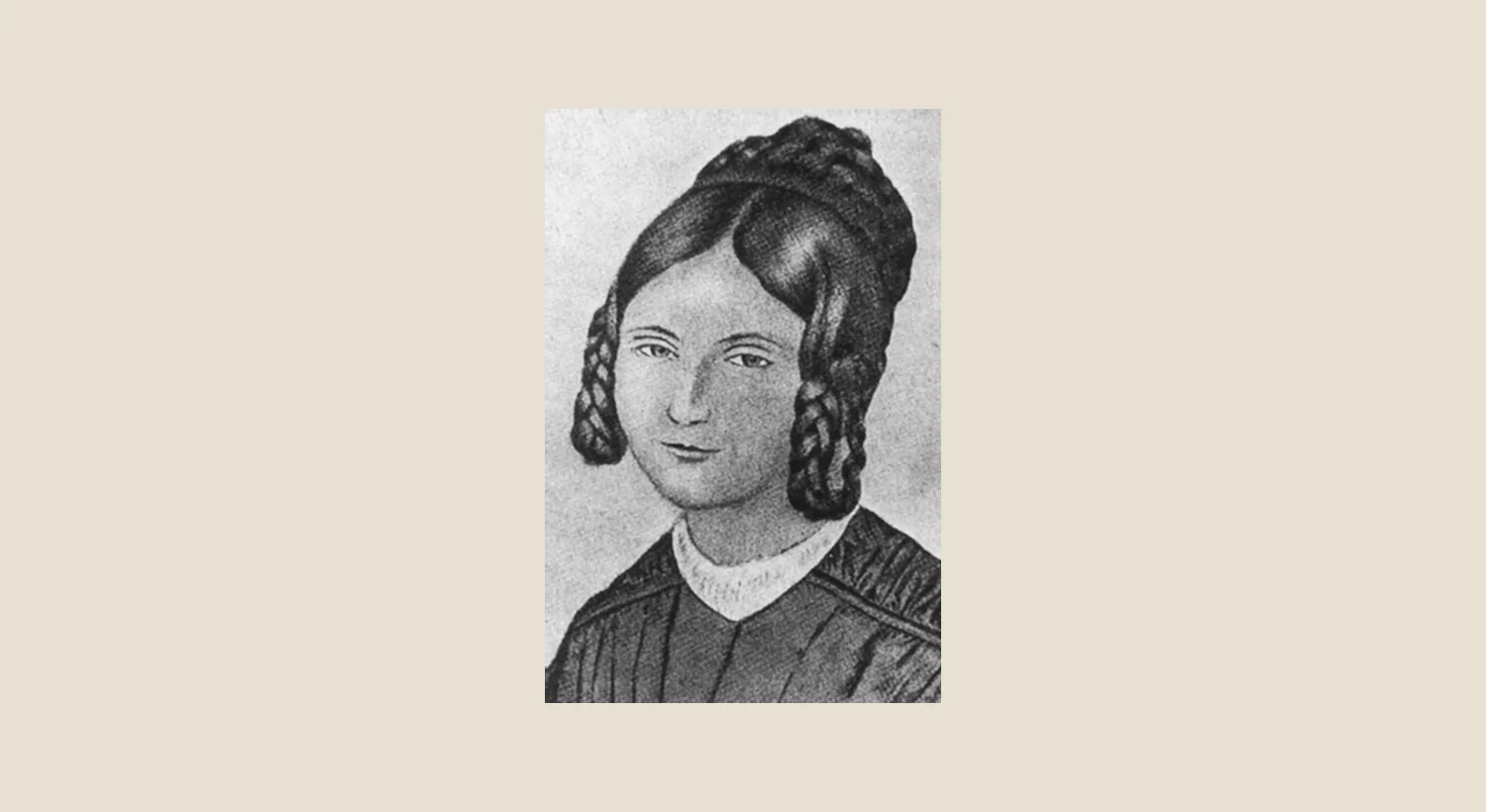
They did not share one ideology
The German revolutions included constitutional liberals, parliamentary nationalists, democrats, republicans, artisans, workers and radicals. They agreed that the existing order needed change, but they disagreed about how far change should go.
Some wanted a unified German state under a constitutional monarch. Others argued that sovereignty belonged to the people and called for a republic. Social reformers raised questions about labor, taxation and economic inequality. National unity could also conflict with local loyalties and with the status of Austria’s many non-German peoples. The movement was real, but it was not one platform.
Those disagreements traveled with the exiles. In the United States, former revolutionaries argued with one another about slavery, socialism, temperance, immigration, party strategy and war. They also encountered a political system that was more participatory for white men than most German states had been, while excluding women from the vote and denying freedom and citizenship to millions of Black people.
That contradiction helps explain their American activism. The United States could look like a place where constitutional ideas had room to operate and, at the same time, a country whose institutions violated the universal language some revolutionaries used.
From revolution to German-American public life
Revolutions spread
Demonstrations and uprisings in the German states demand civil liberties, political participation and national unity.
Frankfurt Parliament opens
Representatives meet in St. Paul's Church to draft a constitution for a German nation-state.
Revolution defeated
Monarchies reject or suppress the constitutional settlement, and the last armed resistance is broken.
Political exiles resettle
Forty-Eighters enter established German-speaking communities in American cities and farming regions.
Public influence grows
Newspapers, Turner associations, reform campaigns, Republican organizing and Union service make the cohort unusually visible.
For the European causes and the parliament’s failure, read why the Revolution of 1848 sent Germans to America. The rest of this article follows the people after that break. The broader German immigration timeline helps keep this political cohort in proportion to other migration waves.
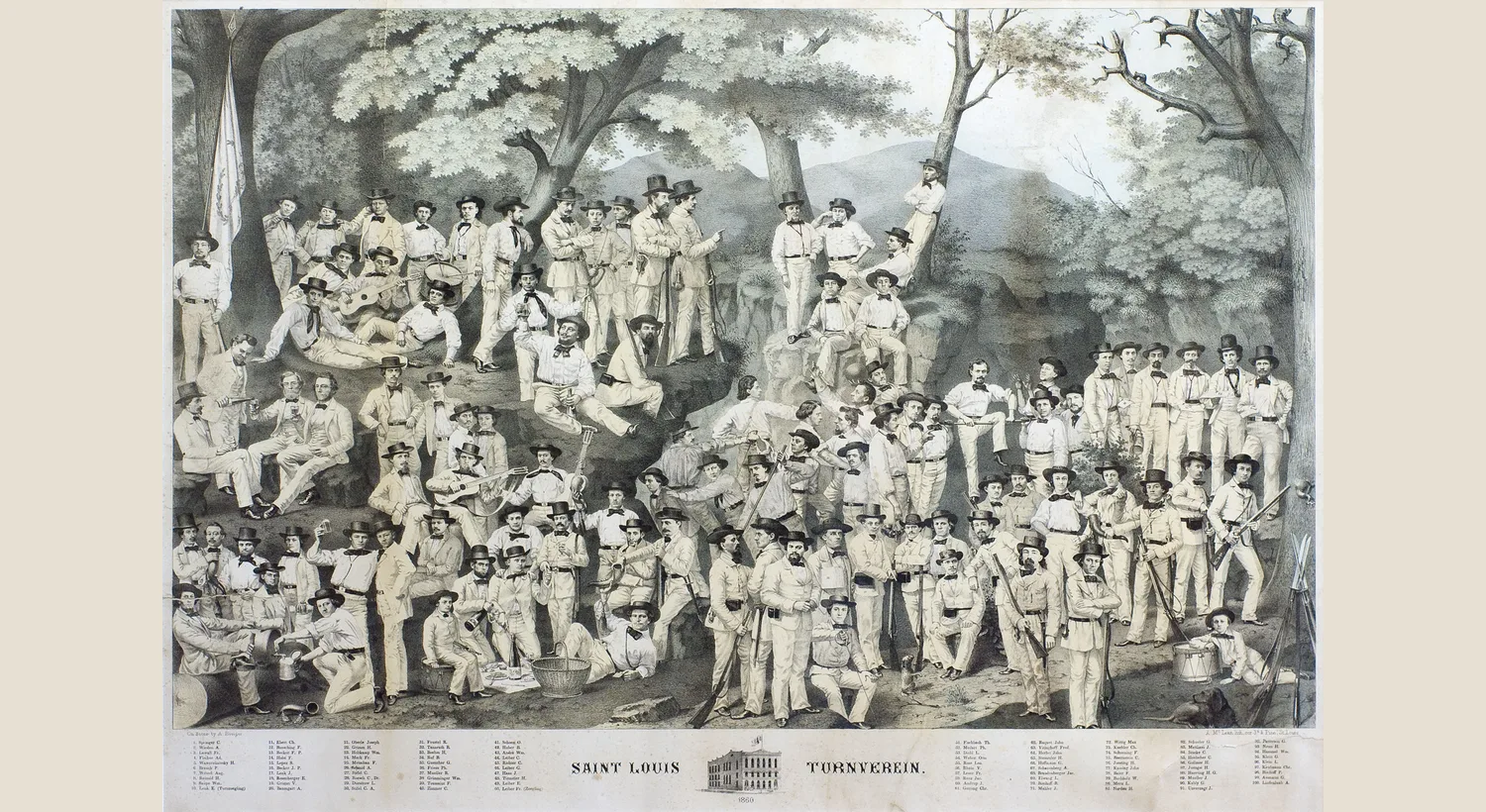
Existing German-speaking America gave exiles somewhere to land
The refugees did not arrive in an empty cultural landscape. German churches, newspapers, schools, businesses and voluntary associations already existed in cities from New York to St. Louis. Farming communities stretched across Pennsylvania, Ohio, Wisconsin, Missouri and Texas. These networks offered housing leads, work, language and political contacts.
Cities were especially important for educated professionals and skilled tradespeople. A lawyer who could not immediately practice American law might edit a newspaper. A former teacher could work in a German school. A printer, physician, musician or craft worker could enter a German-speaking market while learning English and American institutions.
The networks also allowed political ideas to circulate. Traveling speakers, newspapers and clubs connected settlements separated by hundreds of miles. German-language public life did not isolate the immigrants from American politics. It often became the route by which they entered it.
Turner associations are a useful example. The movement began with physical education in the German lands, but American Turner halls could become gathering places for lectures, music, mutual aid and political organization. Not every Turner shared the same program, yet the associations gave politically experienced newcomers an institutional home.
Newspapers turned exile into an American public voice
A visible group of Forty-Eighters had worked with print before leaving Europe. In America they founded, bought or joined German-language newspapers. Those papers translated American political questions for immigrant readers and carried European news back into local debate.
The Illinois Staats-Zeitung in Chicago is a well-documented case. Founded by Forty-Eighters, it opposed slavery and anti-immigrant discrimination and later became a major Republican paper. Its history shows how a publication could be ethnic in language and national in political ambition.
Newspapers did more than tell readers how to vote. They announced meetings, jobs and aid efforts. They argued over education, church affairs, women’s rights, working conditions and the place of immigrants in public life. They could also deepen factional disputes and elevate editors whose views were louder than those of ordinary readers.
This is one reason the Forty-Eighters left such a strong historical footprint. A farmer who quietly rebuilt a household after migration may appear only in census and church records. An editor produced thousands of pages explaining what he believed. Surviving print naturally makes the public figures look more representative than they were.
Reform politics brought both principle and conflict
The Library of Congress connects prominent Forty-Eighters with land reform, abolition, workers’ rights and women’s suffrage. These commitments followed naturally from movements that had demanded civil liberties and popular participation in Europe. They also took new forms in the United States.
Antislavery politics became especially important in the 1850s. German-language Republican organizers argued that the expansion of slavery threatened free labor and republican government. Some spoke from universal rights principles. Some emphasized the interests of white workers and western settlers. The positions overlapped without being identical.
Women participated in revolutionary networks and German-American reform life, but public memory often centered men who held office or military rank. The fact that women could not vote for the Frankfurt Parliament and could not vote in American elections should remain visible when the movement is praised for democratic ideals.
Forty-Eighters also encountered nativism. Their political assertiveness, German newspapers, clubs and sometimes secular views made them targets for people who believed immigrants should remain quiet or assimilate immediately. Participation was therefore both an expression of ideals and a claim to belong in the republic.
Influence is not the same as uniformity
The Forty-Eighters were a large, united army of democratic intellectuals who transformed German America.
They were a relatively small and politically varied cohort whose educated and public-facing members gained unusual influence through print, associations, reform and officeholding.
Later celebration often selected the most admirable and successful biographies. The wider group included disagreements, failed careers and ordinary resettlement.Every Forty-Eighter held the same antislavery and social views.
Antislavery and reform activism were important among prominent members, but the label covered liberals, republicans and radicals with different priorities and limits.
A shared defeat did not erase political differences that existed in Europe or new conflicts that emerged in America.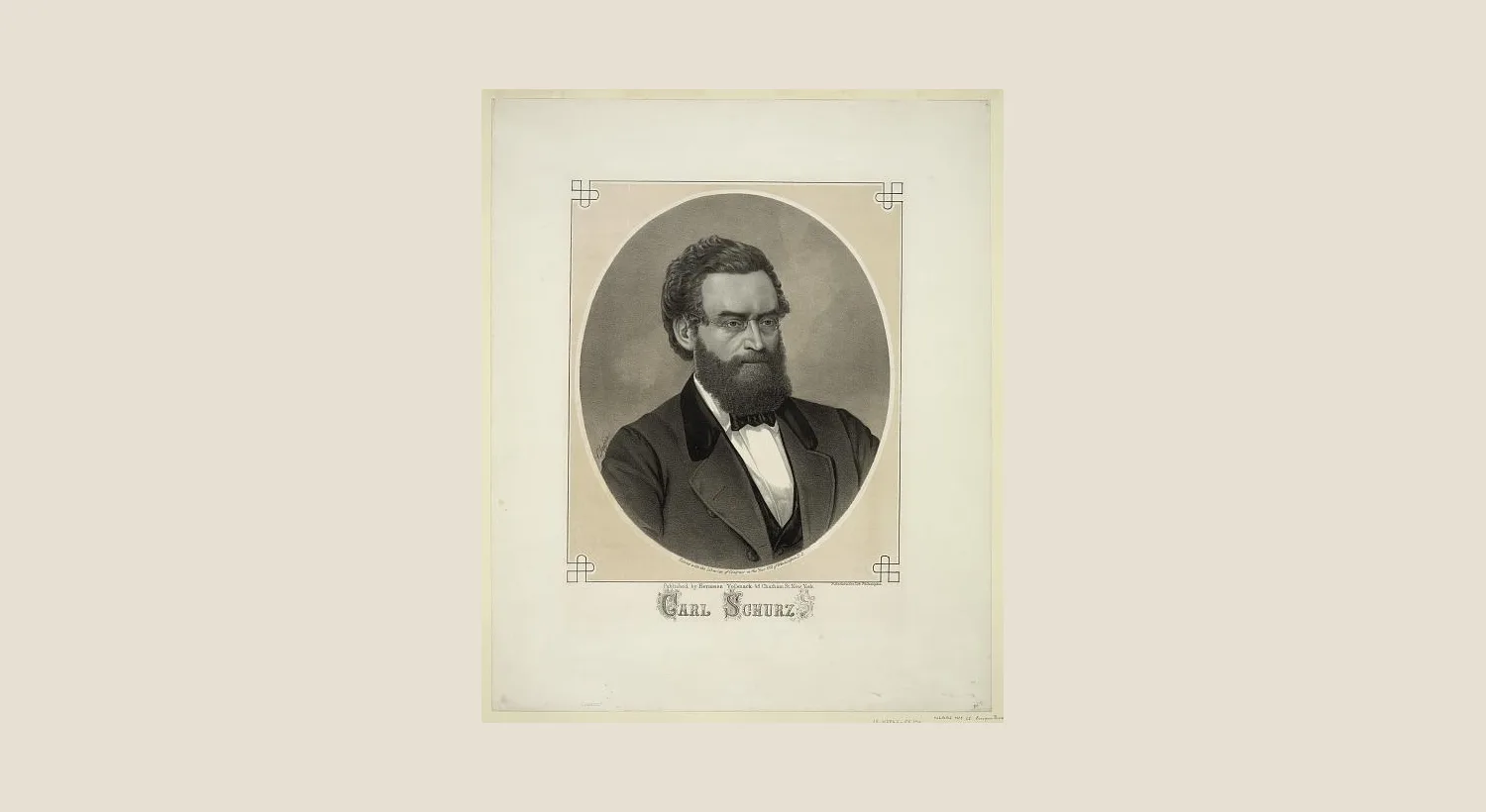
Carl Schurz shows possibility, not the average life
Carl Schurz became the best-known Forty-Eighter in the United States because his career crossed so many fields. He escaped after revolutionary activity, settled in Wisconsin, worked in journalism and politics, campaigned for Abraham Lincoln, served as a Union general, became a US senator and later secretary of the interior.
His life makes the term tangible. It also creates a risk. Most political refugees did not become cabinet officers. Some lacked English, money or recognized credentials. Some moved repeatedly before finding stable work. Some withdrew from politics. Women whose labor sustained households rarely received a comparable public record.
Schurz should therefore be read as evidence of access and ambition, not as the standard biography. His career shows that an immigrant political exile could enter the highest levels of American public life. It does not prove that America received every refugee equally or that every revolutionary ideal survived unchanged.
The Civil War made the cohort even more visible
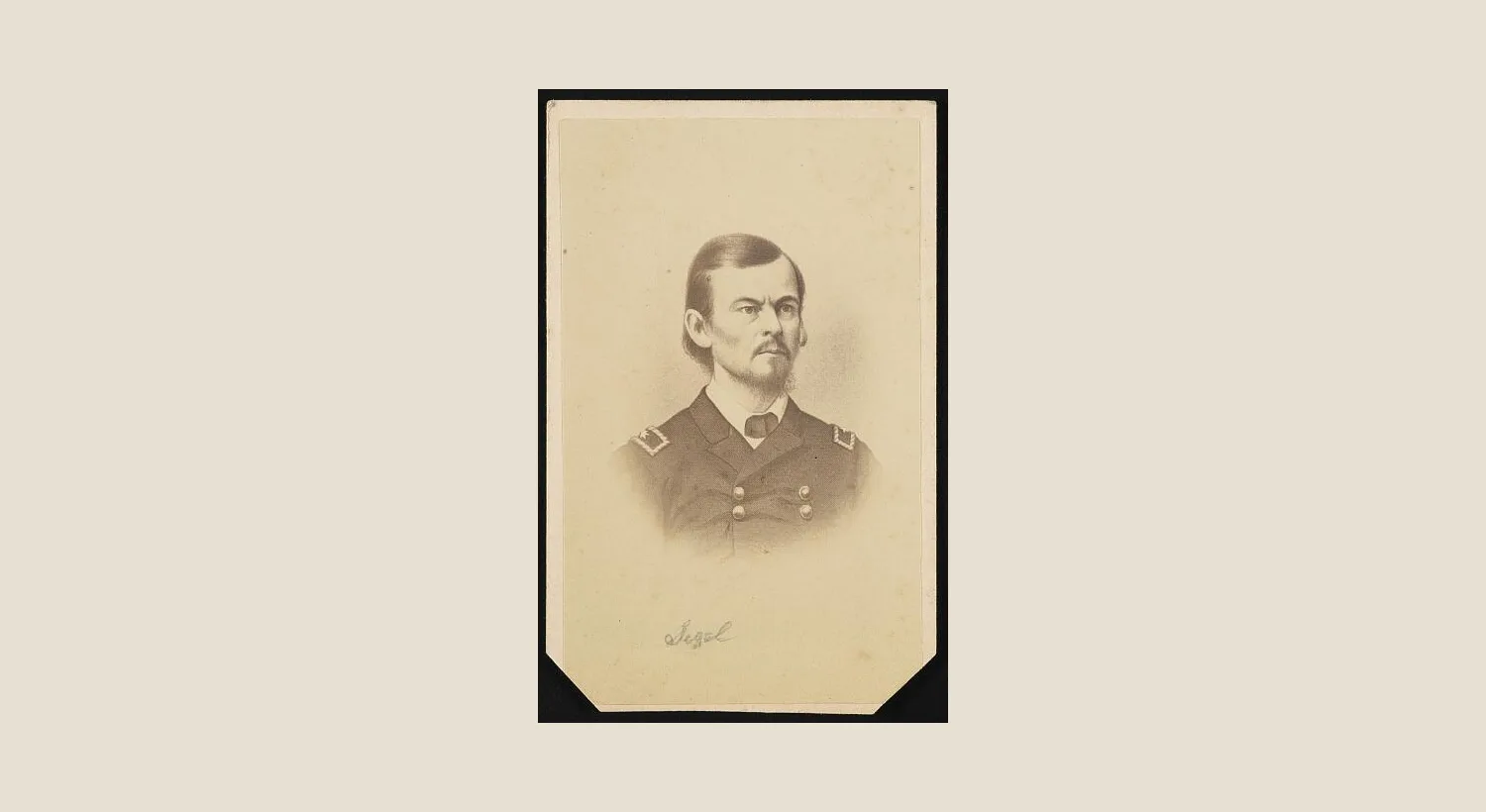
When the Civil War began, many Forty-Eighters saw Union service as connected to the constitutional and antislavery struggles they had already fought. Men such as Schurz, Franz Sigel and Peter Osterhaus became officers. German-speaking communities organized regiments and recruitment networks.
Military service also exposed division and prejudice. Some leaders were popular recruiters but controversial commanders. German troops became targets after defeats, sometimes because of nativism and sometimes because military decisions deserved criticism. A complete account must hold both possibilities rather than treating every negative judgment as prejudice or every reputation as objective.
The full scale and regional complexity belong in German Americans and the Civil War. For the Forty-Eighters, the war was one major arena in a longer effort to turn exile into citizenship and public consequence.
Their legacy is strongest when it is kept proportionate
The Forty-Eighters matter because political failure did not end their public lives. They carried habits of association, debate and constitutional argument into German-American communities and into national politics. Newspapers, clubs and wartime service gave those habits durable institutions.
Their story also warns against easy hero-making. A relatively small cohort can have real influence without representing every immigrant. A movement can advance civil rights while retaining exclusions. A famous refugee can serve a new republic without resolving its contradictions.
Keeping those limits does not make the legacy smaller. It makes the achievement human: people who lost one political struggle found ways to continue arguing, organizing and serving in another country, with mixed results and lasting effects.
For readers who want to move from an overview to biographies, regional studies and primary documents, compare the scope and citations before choosing a book.
Browse German-American History Books
Search Amazon for German-American history books and compare author credentials, publisher, edition, citations, period covered, seller and returns.
Best for: Readers who want a longer account of German immigration, political exile and German-American public lifeAn optional expression after the history
Carry the story beyond the page
These designs express a present-day connection to German-American roots; they are not historical artifacts or evidence about the Forty-Eighters.

Frequently asked questions
Common questions
Were all German immigrants after 1848 Forty-Eighters?
No. The 1840s and 1850s were years of large German migration for economic, family, religious and political reasons. The Forty-Eighter label belongs more narrowly to people connected to the revolutionary movement or its defeat.
Were the Forty-Eighters all abolitionists?
Antislavery activity was prominent among many visible Forty-Eighters, especially journalists and Republican organizers, but the group was politically diverse and no position should be assigned to every member.
Where did Forty-Eighters settle in the United States?
Many entered German-speaking cities and regions including New York, Cincinnati, St. Louis, Milwaukee, Chicago and communities in Texas. Existing newspapers, clubs and personal networks made resettlement and political organization easier.
Was Carl Schurz a typical Forty-Eighter?
He was a famous example, not an average one. His path from revolutionary activism to general, senator and cabinet secretary shows the possibilities open to some exiles, but most lived less public lives.