
On this pageGerman-speaking institutions made rapid mobilization possible
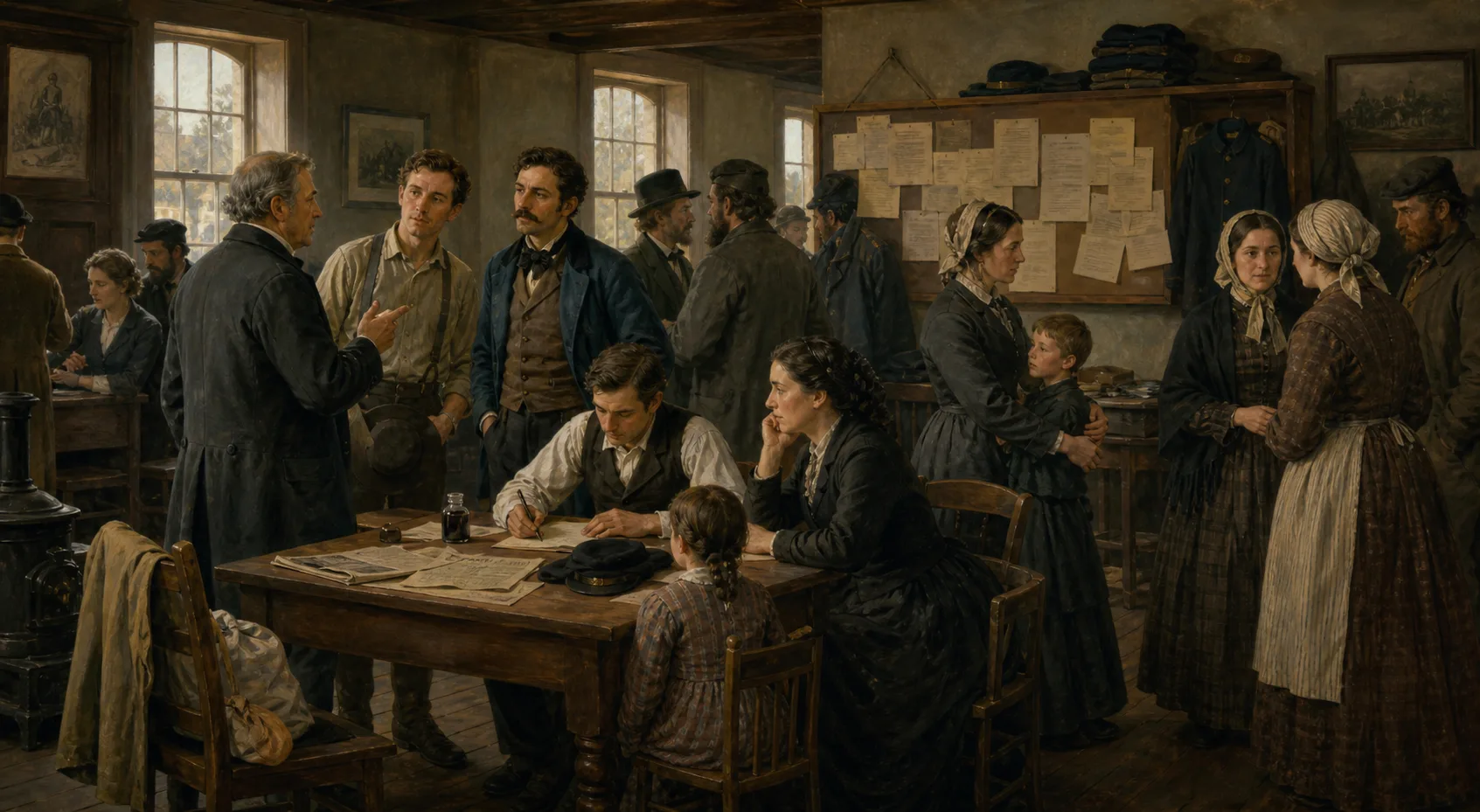
German Americans were one of the largest immigrant populations in the Civil War armies, especially on the Union side. The National Park Service cites an estimate of about 216,000 German-born men in Union service. Additional US-born soldiers had German parents or grandparents, although larger totals depend on how ancestry is defined and counted.
That scale did not make German Americans one political bloc. Many recent immigrants and Forty-Eighters strongly supported the Union and opposed slavery’s expansion. Some Germans served the Confederacy. Others tried to remain neutral, resisted conscription or changed their position as local pressure intensified. Missouri and Texas show how language and ancestry could connect a community without determining its wartime loyalty.
Military and political terms in this history
- German regiment
- A military unit recruited heavily through German-speaking communities and often commanded by German-speaking officers; not necessarily German-born in every rank.
- Forty-Eighter
- A political refugee or activist associated with the defeated German revolutions of 1848–49, some of whom became Union leaders.
- Unionist
- A person who opposed secession and supported continued membership in the United States, whether or not that person agreed with every federal policy.
- Border state
- A slave state that remained in the Union or a contested region where Union and Confederate loyalties divided communities and institutions.
German-speaking institutions made rapid mobilization possible
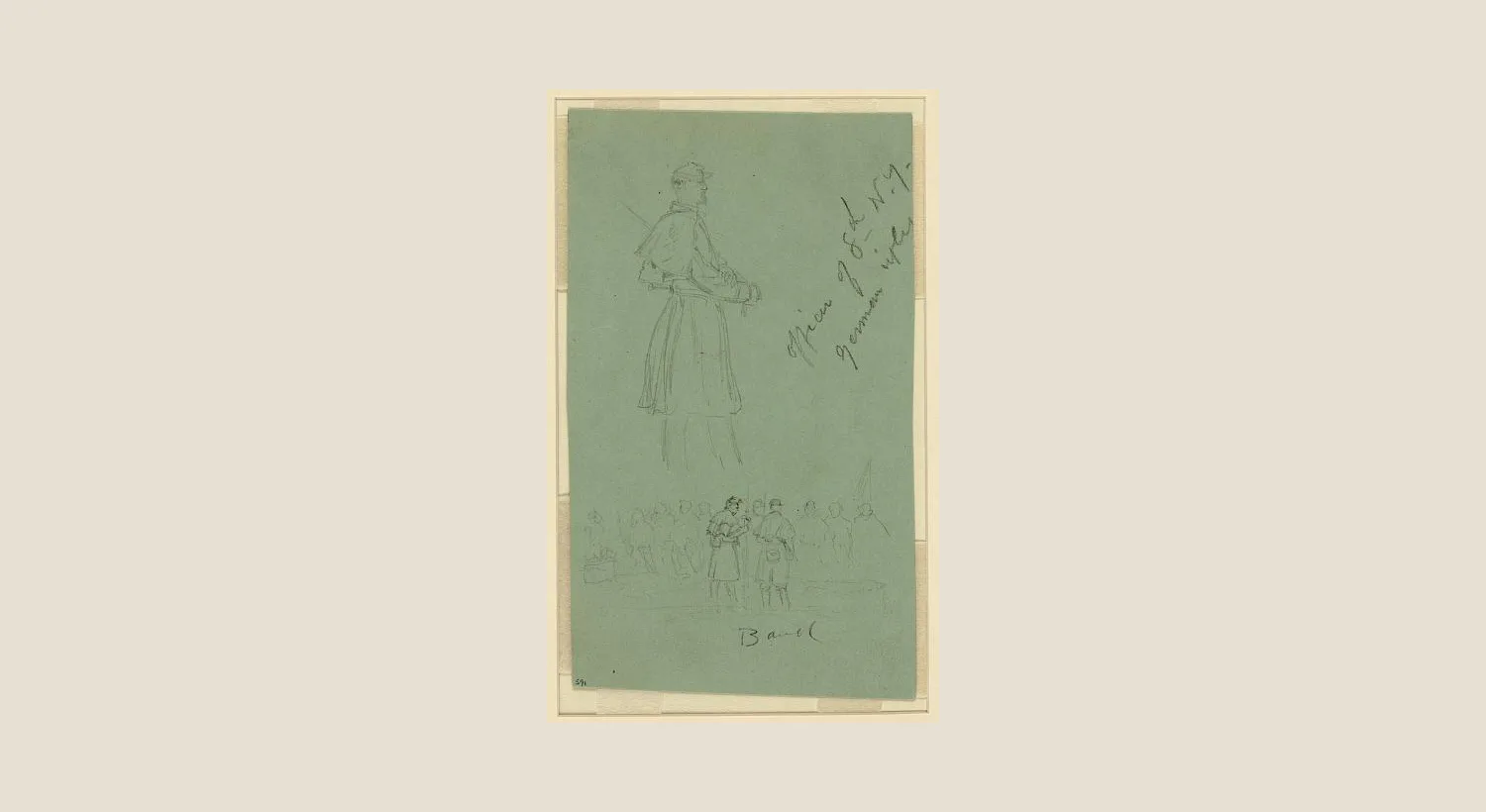
When war began in 1861, German immigrants did not have to invent public networks from nothing. Cities such as New York, Cincinnati, Chicago, Milwaukee and St. Louis had German-language newspapers, churches, mutual-aid societies, political clubs and Turner associations. These institutions could announce meetings, raise money and recruit companies quickly.
Language was practical as well as cultural. A newly arrived volunteer might understand orders and military instruction more readily under German-speaking officers. Friends and neighbors who enlisted together could support one another through unfamiliar army systems. Ethnic recruitment also gave community leaders a visible way to demonstrate loyalty to the United States at a time when nativists questioned immigrant citizenship.
Yet the phrase “German regiment” can mislead. Some units were overwhelmingly German-born. Others mixed German speakers with men of different backgrounds. Many German Americans served in ordinary state regiments without an ethnic label. A history based only on famous German units therefore understates participation while exaggerating separation.
The National Park Service’s Civil War Soldiers and Sailors database preserves thousands of regiment histories and service references, but even official records do not create one perfect ethnic census. Names were anglicized, birthplace could be recorded inconsistently, and “German ancestry” could extend across generations. The most responsible scale statement is an attributed estimate, not a claim of exact precision.
Political refugees gave Unionism a public language
The Forty-Eighters were especially visible in Union politics. Men who had opposed monarchy and fought for constitutional rights in Europe often saw secession and the expansion of slavery as threats to republican government. German-language editors and speakers connected the American crisis to arguments about free labor, citizenship and popular sovereignty.
The Illinois Staats-Zeitung in Chicago illustrates the political role of print. Founded by Forty-Eighters, it opposed slavery and anti-immigrant discrimination and supported the Republican Party. Newspapers like it did not speak for every German reader, but they helped turn immigrant neighborhoods into organized political constituencies.
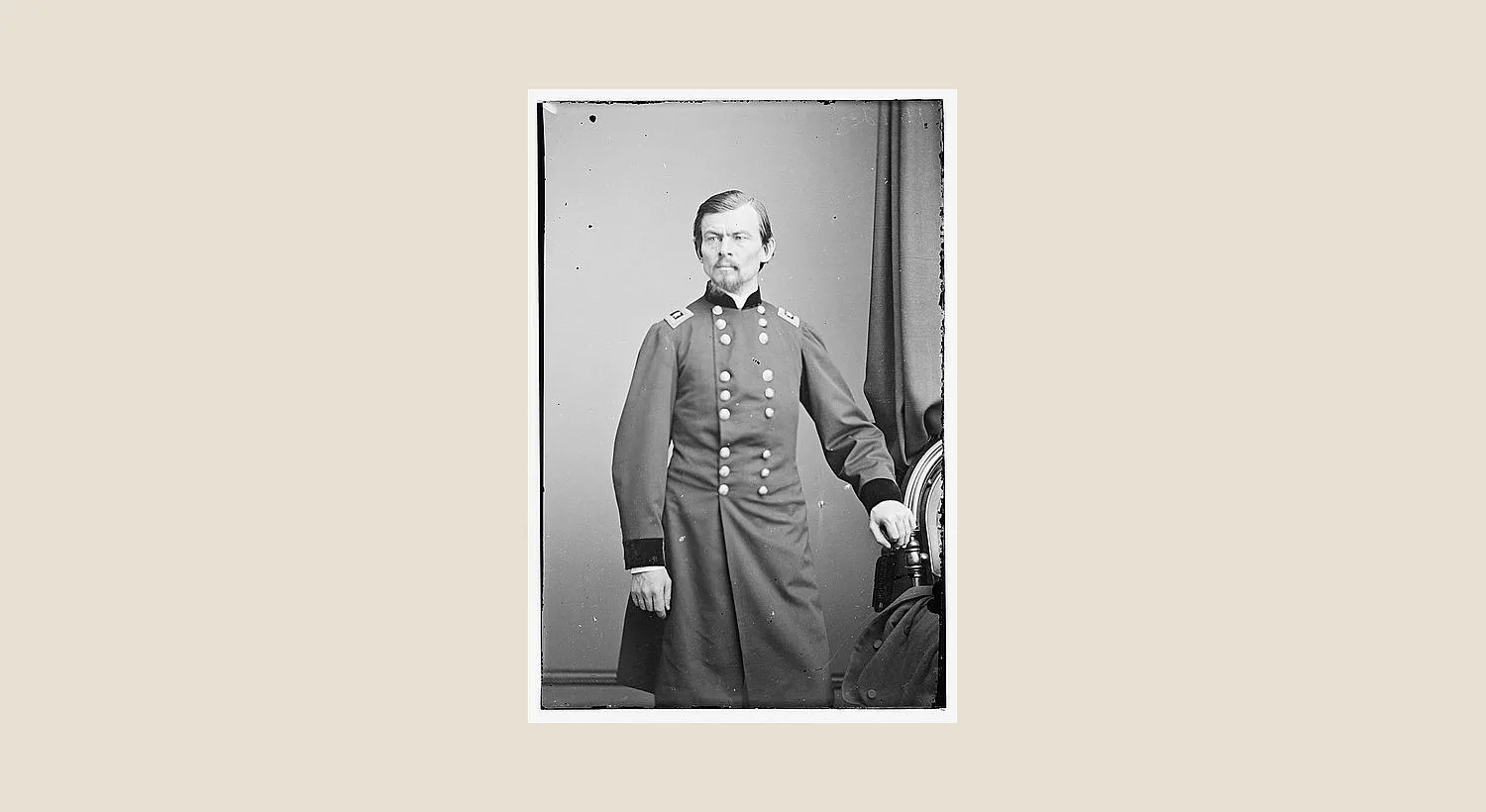
Carl Schurz and Franz Sigel became national symbols. Schurz campaigned for Abraham Lincoln and later received a Union command. Sigel’s reputation among German immigrants helped attract volunteers, giving rise to the popular appeal of fighting “mit Sigel.” Peter Osterhaus and other German-born officers also built substantial military careers.
Public popularity and military ability were not the same thing. Sigel’s commands suffered setbacks, and his generalship remains debated. Schurz also faced criticism after battles. Some criticism carried nativist assumptions that German troops were unreliable; some addressed real command decisions and battlefield performance. A fair account should not dismiss every negative judgment as prejudice or accept every ethnic scapegoat story as objective military analysis.
For the cohort behind many of these leaders, read Who Were the German Forty-Eighters?. Their ability to recruit through newspapers and associations also grew from the German-American communities built before the war.
German-American participation and division during the war
Recruitment begins
German-language newspapers, Turner halls and neighborhood networks help raise Union companies after Fort Sumter.
Camp Jackson affair
German-heavy Union militia in St. Louis helps capture a secessionist camp; a hostile crowd and soldiers clash, leaving civilians and troops dead.
Wilson's Creek
German-led Missouri units fight in the early struggle for the state, where Union and Confederate power remain fiercely contested.
Ethnic units fight in major campaigns
German-heavy regiments serve in eastern and western armies while public arguments about their performance intensify.
Nueces violence in Texas
Confederate troops attack mostly German Unionists fleeing toward Mexico; wounded captives are executed and later memory remains contested.
Service continues across mixed units
German-born and German-ancestry soldiers fight through the war in units that cannot all be identified by an ethnic title.
Missouri shows why immigrant politics mattered early
Missouri entered the war deeply divided. It was a slave state with strong commercial ties southward, but it also had industrial, railroad and immigrant connections to the North. St. Louis contained a large German population, including many antislavery and Republican activists.
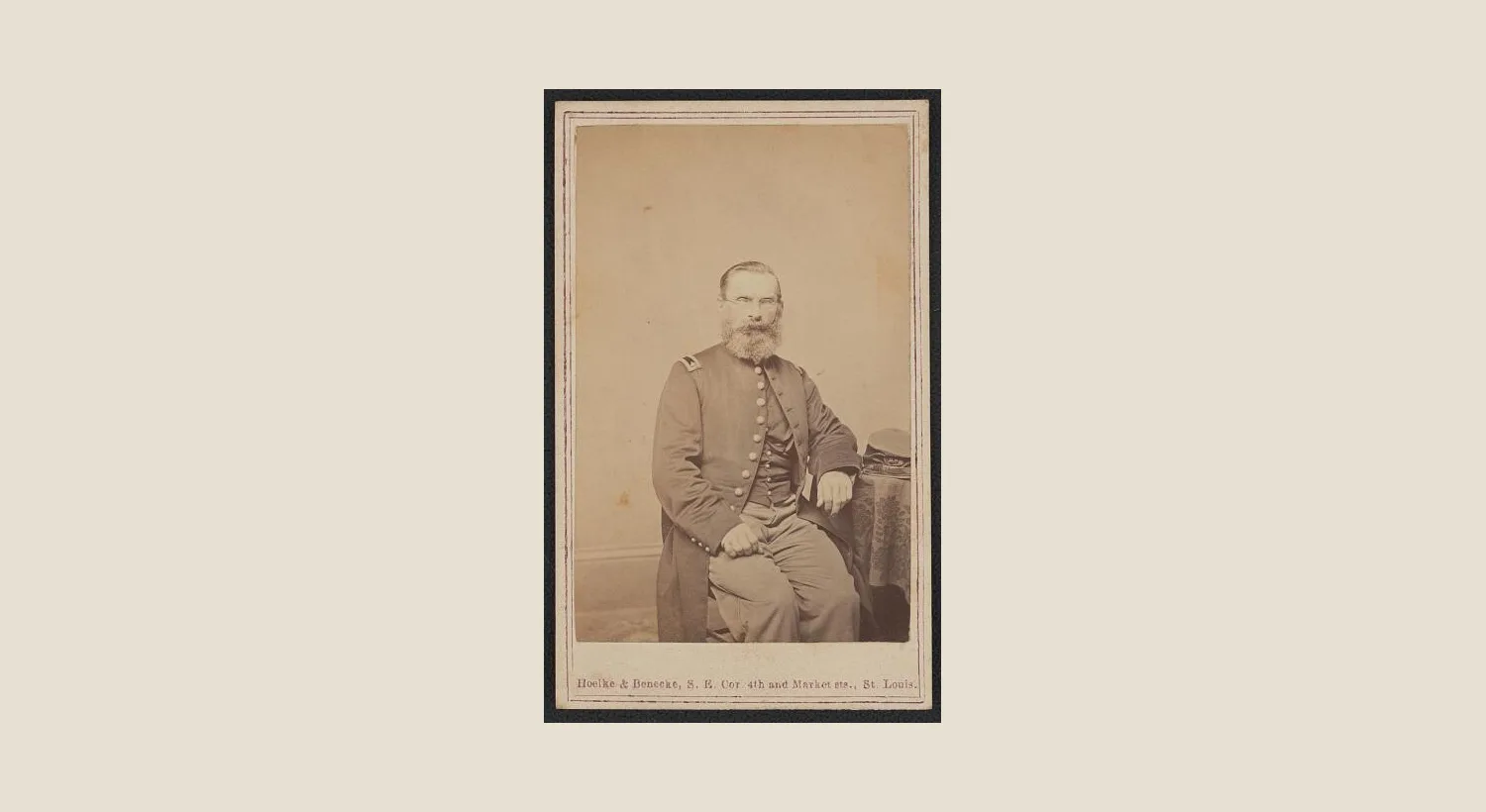
The federal arsenal in St. Louis held weapons that could determine control of the state. Governor Claiborne Fox Jackson leaned toward the Confederacy, even though a state convention had rejected secession. Union organizers Francis Blair and Nathaniel Lyon relied heavily on German immigrant militia as they moved to secure the arsenal and confront the state camp named Camp Jackson.
On May 10, 1861, Union forces surrounded the camp and accepted its surrender. The operation did not end quietly. As prisoners were marched through St. Louis, secessionist spectators taunted the soldiers, with particular hostility toward the German militia. Objects and weapons appeared in the crowd; troops opened fire in a chaotic confrontation. Twenty-eight civilians and two soldiers died according to the National Park Service account, with more deaths in later violence.
The episode helped keep St. Louis and its arsenal from Confederate control, but it also hardened political hatred. To Union supporters, the German militia had acted decisively against a secessionist threat. To opponents, armed immigrants had humiliated Missourians and killed civilians. Nativism and legitimate grief became entangled with the military struggle.
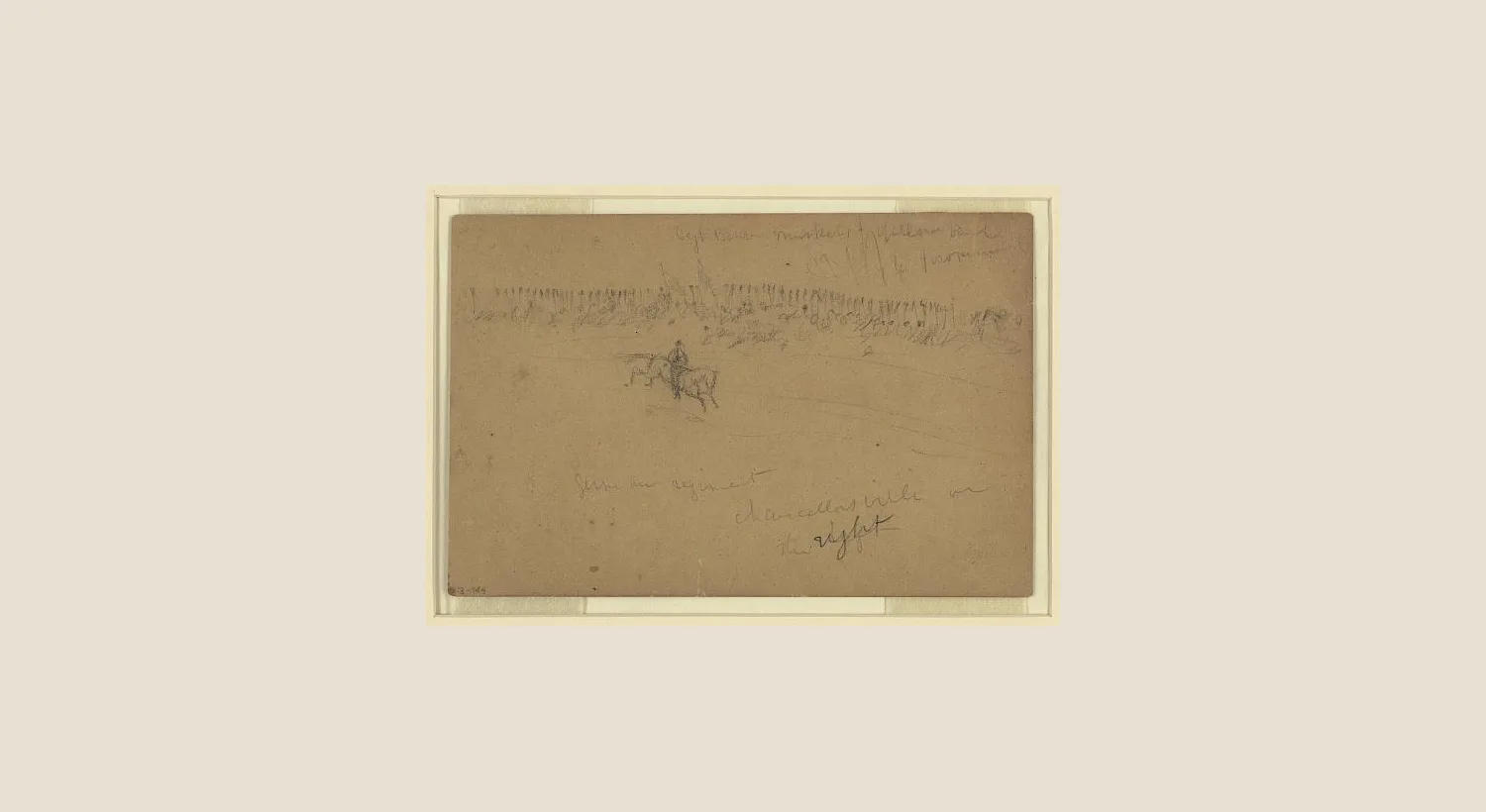
Official unit records make the German institutional role visible. The 3rd Regiment of the US Reserve Corps, Missouri Infantry, was organized at Turner Hall and took part at Camp Jackson. A civic association space had become a recruiting center for federal military service.
Ethnic regiments created solidarity—and scrutiny
Recruiting through language and neighborhood could improve trust. Soldiers entered with people they knew, officers could explain orders, and community organizations supported families at home. Ethnic units also allowed immigrants to claim public belonging through sacrifice.
The same visibility made them easy to judge as a group. When a mixed regiment failed, observers usually blamed officers or circumstances. When a German-heavy unit broke, critics could blame “the Germans.” Reports about language barriers, drinking or cowardice often carried old nativist stereotypes.
That does not mean ethnic units never had discipline or command problems. Rapid recruitment produced uneven training across the whole Union army. Political appointments placed some popular leaders above their experience. Communication between German-speaking units and higher headquarters could be difficult. The point is not that prejudice explains every defeat, but that German soldiers were often judged collectively in ways that native-born troops were not.
Individual records help restore proportion. Henry Schlote, a German immigrant living in New York, served first in the 7th New York and later in another German-profile regiment. He fought in major campaigns and was wounded near the war’s end. His story is documented, but it should not be turned into a sentimental voice for hundreds of thousands of men whose motives and service differed.
German-American service cannot be reduced to one side or one reputation
German Americans were uniformly abolitionist Union soldiers.
Union service was very large and antislavery politics were influential, but Germans also served the Confederacy, remained neutral or resisted conscription according to regional and personal circumstances.
Immigration background shaped networks and politics without overriding slavery, local power, family ties and military pressure.German regiments either proved immigrant patriotism or failed because they could not become American soldiers.
They performed unevenly like other rapidly raised units, while ethnic visibility magnified both praise and blame.
Military outcomes require attention to command, terrain, training and orders—not a verdict on ancestry.German Confederates and neutral families were part of the history
The strongest national pattern points toward Union service, but regional history prevents a clean ethnic conclusion. German communities existed in the South, including Texas, Louisiana and other states. Some residents owned enslaved people or accepted the racial and political order around them. Some considered their state their primary political community. Some joined Confederate units because neighbors, employers or local authorities expected it.
Others tried to avoid choosing. Neutrality could reflect pacifist belief, recent immigration, concern for family or distrust of both governments. As conscription expanded, neutrality became harder to maintain. Refusing service could bring arrest, property loss or violence.
Texas illustrates the range. The Handbook of Texas concludes that German settlers included Unionists, neutrals and Confederate supporters, with the prevailing position varying by place and source. Some Germans formed companies in Confederate service. In the Hill Country around Fredericksburg, Comfort and New Braunfels, Unionism was especially visible and dangerous.
This is an important correction to two opposite myths. It is wrong to say Texas Germans were naturally Unionist because they were German. It is equally wrong to erase the German Unionists because many other white Texans supported the Confederacy.
The Nueces case shows the cost of local division
In 1862 Confederate conscription and martial-law pressure intensified in parts of the Texas Hill Country. A group of Union sympathizers, many of them German, attempted to leave for Mexico. They hoped to avoid Confederate service and, for some, eventually join Union forces.
Confederate mounted troops pursued them and attacked their camp near the Nueces River on August 10. Historical accounts disagree over exact numbers, which is why a narrow casualty total should be attributed rather than treated as uncontested. The Texas State Historical Association reports that nineteen Unionists were killed in the fighting and nine wounded men were executed afterward; additional escapees were killed later.
After the war, remains were gathered at Comfort, Texas, and the Treue der Union monument commemorated the dead. The monument became a rare public expression of Union loyalty in former Confederate territory.
Memory of the event remained divided. Confederates described action against armed insurrectionists or draft evaders. German Hill Country memory often called it a massacre, especially because wounded captives were killed. Both the military encounter and the executions belong in the account. One label alone cannot carry every contested detail, but uncertainty over numbers does not require silence about documented violence.
Wartime service expanded belonging without ending prejudice
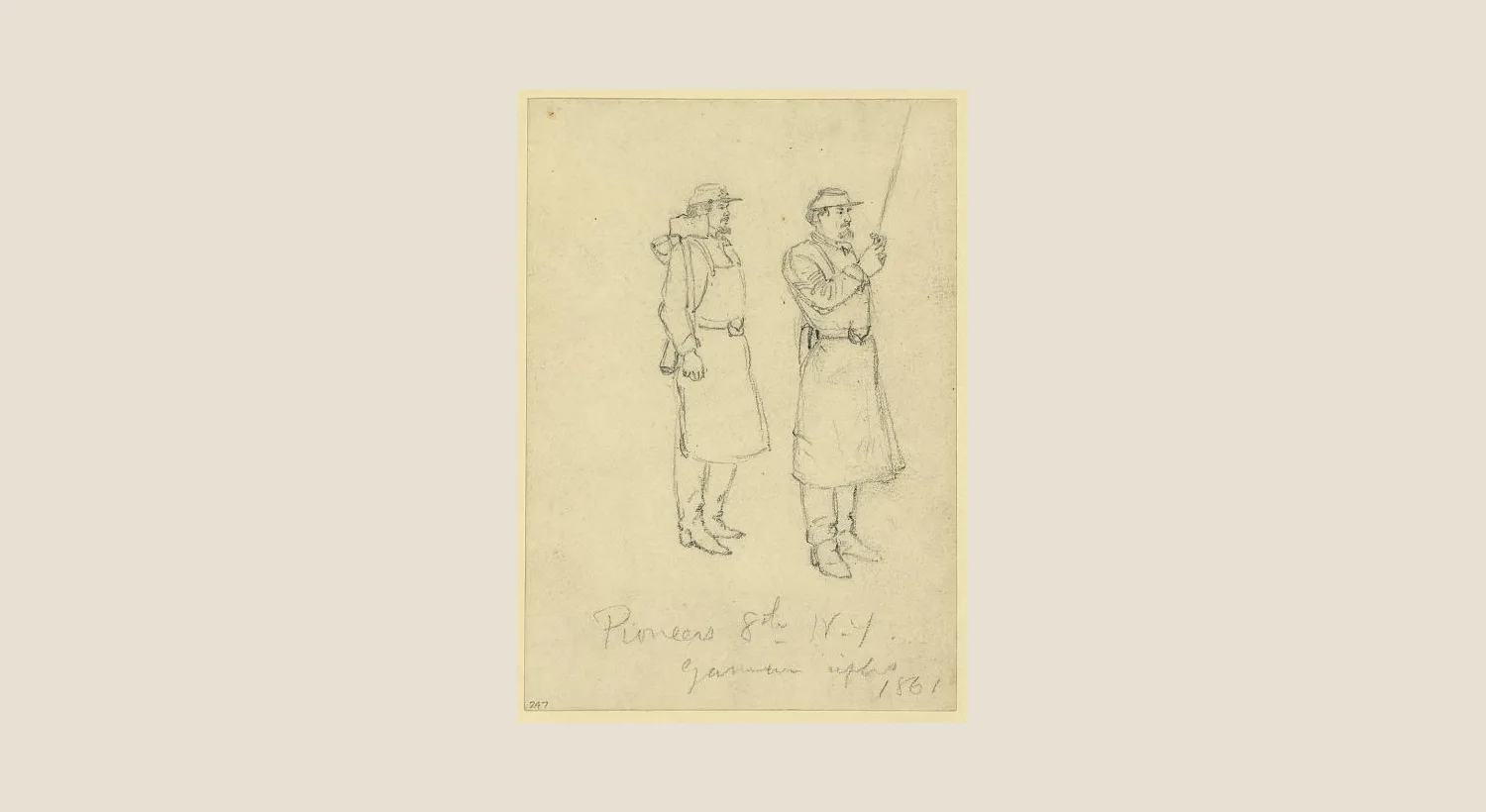
Military service gave German immigrants a powerful claim to American citizenship. Communities raised regiments, paid taxes, cared for soldiers’ families and buried their dead. Veterans joined civic organizations and entered politics after the war. German-language accounts placed their sacrifice inside both American and immigrant memory.
The war did not erase pressure to assimilate or suspicion of foreign-language communities. German soldiers could be praised as loyal and still mocked for accent or customs. Political opponents could celebrate immigrant manpower while resisting immigrant influence.
The experience also changed German-American institutions. Newspapers and clubs became wartime mobilizers. Officers gained public careers. Families carried trauma and pride into local memory. The conflict tied German-American history more closely to the national story while exposing differences that the broad ethnic label could not settle.
The revolution of 1848 had prepared some exiles to see military service as a continuation of political struggle. Its background is explained in Why the Revolution of 1848 Sent Germans to America. But the Civil War involved far more than those exiles. It drew recent migrants, long-established descendants, Unionists, Confederates and reluctant families into a conflict whose local meaning changed from St. Louis to New York to the Texas Hill Country.
The most accurate summary is therefore not “the Germans fought for the Union,” even though Union contribution was immense. It is that German Americans participated at national scale while remaining a varied population. Their service helped decide the war, and their divisions reveal how ancestry, ideology and place interact without ever becoming the same thing.
A quiet next step after the history
Carry the family story forward
These designs express a modern connection to German-American roots; they do not commemorate a military side, regiment or casualty.
Frequently asked questions
Common questions
How many German immigrants fought for the Union?
The National Park Service cites an estimate of about 216,000 German-born Union soldiers. Larger estimates add U.S.-born men of German ancestry, but totals vary because records and definitions of German background are not identical.
Did German Americans fight for the Confederacy?
Yes. Union support was strong among many German immigrant communities, but Germans also served Confederate units, supported secession, remained neutral or resisted both armies depending on region and circumstance.
What was a German regiment?
It was usually a unit recruited heavily through German-speaking neighborhoods, newspapers and associations. Some commands used German, but membership was not necessarily limited to German-born soldiers, and many German Americans served in mixed units.
Why were German Americans important in Missouri?
German Unionists in St. Louis organized militia and helped secure the federal arsenal during the secession crisis. Their visibility also drew nativist hostility and contributed to the violence surrounding the Camp Jackson affair.