
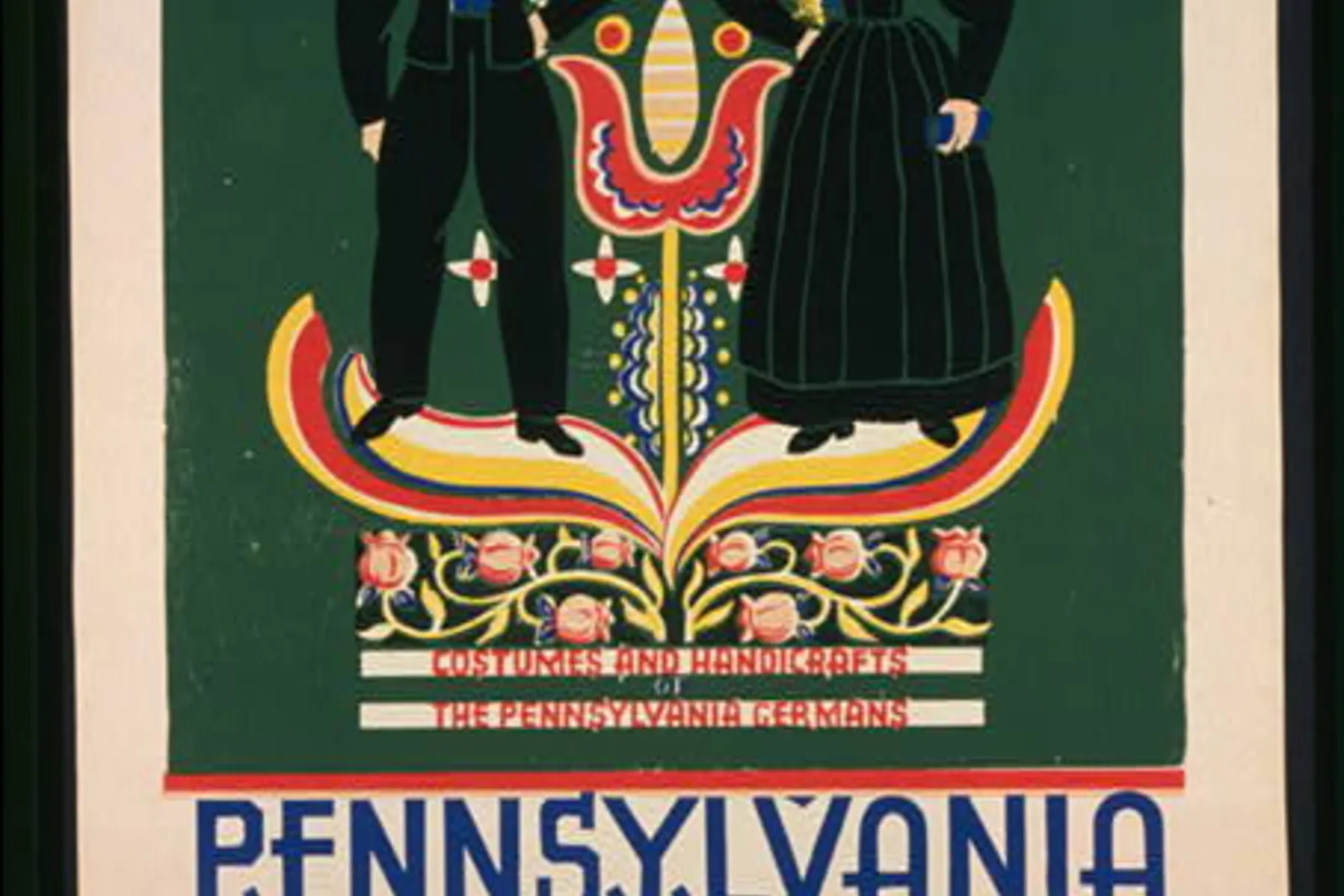
On this pageThey came from German-speaking regions, not one Germany
The Pennsylvania Germans were not one church, one migration party or one way of life. They were a broad German-speaking population that took shape in Pennsylvania from the late seventeenth century onward. Their ancestors came from several parts of Central Europe, and their descendants built churches, farms, presses, workshops and local traditions that became distinctly Pennsylvanian.
The Amish belong to this history, but they are not a synonym for it. Most eighteenth-century Pennsylvania Germans were Lutheran or German Reformed. Other communities included Mennonites, Moravians, Brethren, Schwenkfelders and Amish, each with its own beliefs and relationship to the wider society.
Terms that are often confused
- Pennsylvania German
- A regional German-speaking population and culture formed in Pennsylvania by immigrants from several Central European territories and their descendants.
- Pennsylvania Dutch
- The established English name for the same broad people, despite the modern word Dutch usually referring to the Netherlands.
- Pennsylvaanisch Deitsch
- The Pennsylvania German language, shaped mainly by southwestern German dialects and centuries of life in North America.
- Plain people
- Amish and some Mennonite or Brethren communities whose religious practice includes forms of separation, modest dress and disciplined communal life.
- Church people
- The much larger historical Lutheran and German Reformed population, often less visibly distinct from neighboring Americans.
They came from German-speaking regions, not one Germany
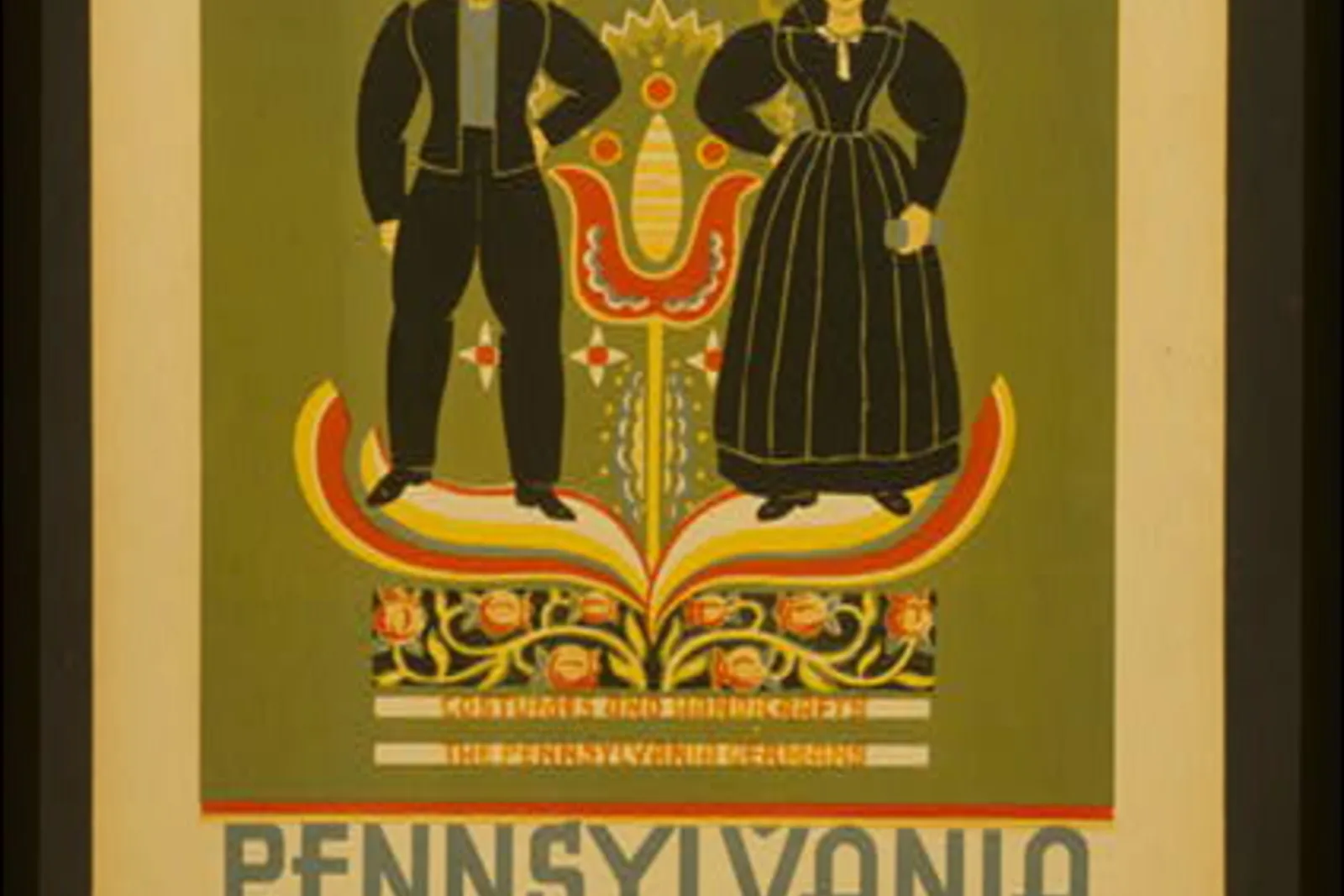
“German” is convenient, but it can hide the political map the migrants knew. Germany did not become a unified nation-state until 1871. Colonial-era immigrants left electorates, duchies, free cities, cantons and border regions with separate rulers and laws.
Many came from the Rhine valley and southwestern German-speaking territories, especially the Palatinate. Others came from Württemberg, Switzerland, Alsace and nearby areas. They did not all arrive speaking the same dialect. They did not all call themselves Germans in the national sense that later generations would use. Local place, religion and family often mattered more.
Pennsylvania gave these varied migrants a setting in which a broader identity could form. English-speaking neighbors grouped them together. German-language churches and printers served people from different home regions. Children and grandchildren shared a colonial experience that their ancestors had not shared in Europe. Pennsylvania German identity was therefore both inherited and newly made.
The first organized settlement at Germantown in 1683 became a symbolic beginning, but the larger population developed during the following decades. Ships arriving at Philadelphia brought thousands of continental Europeans. Pennsylvania State Archives passenger records for much of the period after 1727 preserve names and oaths from German, Swiss, Dutch and French arrivals. Those lists are valuable, but they do not capture every person or every kind of passage.
For the founding event itself, read The Founding of Germantown in 1683. The history here is what happened as one settlement became part of a much wider regional population.
How a Pennsylvania German population took shape
Germantown founded
German-speaking families from Krefeld establish the best-known early organized settlement near Philadelphia.
Migration expands
Larger numbers of Lutheran and German Reformed migrants join earlier Mennonite, Quaker and Pietist communities.
Passenger and oath records grow
Philadelphia authorities record many arriving continental Europeans, preserving a major source for colonial migration history.
Ephrata Cloister founded
Conrad Beissel establishes a German Pietist community known for music, printing, calligraphy and architecture.
Deitsch becomes a regional language
Descendants of immigrants speak a leveled North American language with a strong southwestern and Palatine German base.
The majority were not Amish
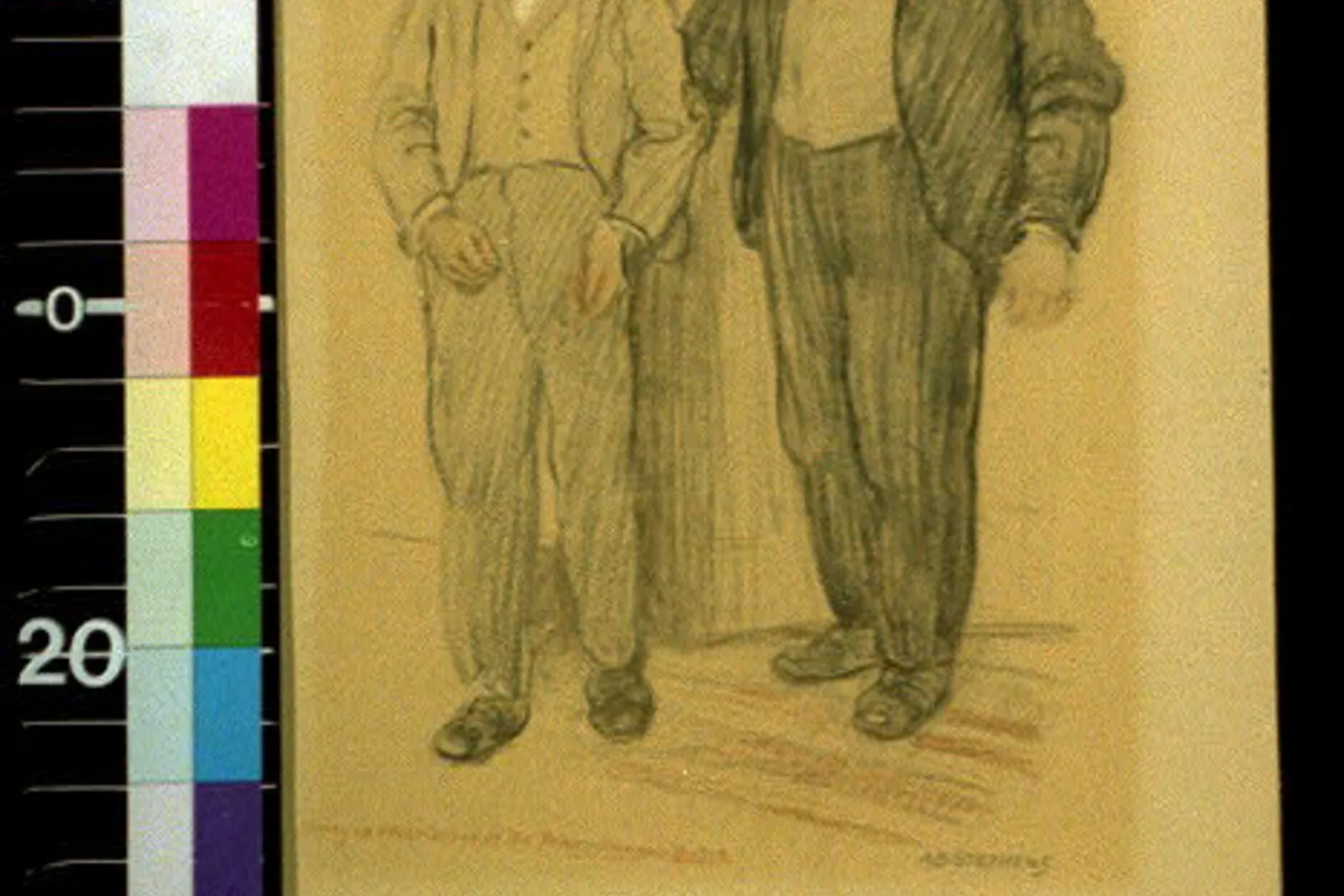
The most persistent misunderstanding comes from visibility. Amish buggies, clothing and farm landscapes are easy to recognize. A Lutheran family that shifted to English and dressed like its neighbors is not. Over time, this made one minority appear to stand for the whole population.
The earliest German-speaking settlements did include small religious groups seeking room to practice their faith. Mennonites were central at Germantown. Later arrivals included Amish, Moravians, Schwenkfelders, German Baptist Brethren and other communities. Their histories matter, and some preserved German language and communal boundaries with unusual strength.
Yet most German-speaking immigrants who came to Pennsylvania in the eighteenth century belonged to the main Lutheran and German Reformed traditions. They founded congregations, called pastors, built schools and maintained ties through printed Bibles, hymnals and newspapers. They could be culturally German while participating fully in markets, local politics and military or civic life according to the rules of their own time.
Even the division between “Plain” and “church” people is a guide, not a perfect wall. Mennonite communities differed from Amish communities. Congregations changed practice. Families moved between regions and languages. A reader looking for one standard Pennsylvania German household will not find it because denomination, county, wealth and generation all shaped daily life.
Pennsylvania German is broader than its most visible image
Pennsylvania Germans were Amish farmers who avoided the outside world.
Amish people were one minority within a much larger population that included Lutheran, German Reformed, Mennonite, Moravian, Brethren and other communities in farms, towns, churches, printing and trade.
Visible continuity can distort historical proportion. Groups that retained distinctive dress and language are easier to notice than descendants who gradually blended into wider American life.Pennsylvania Germans all shared one set of customs.
Religion, region, class and time produced substantial differences in worship, education, clothing, art, food and relations with government.
A regional culture can have recognizable patterns without making every member interchangeable.Deitsch was formed in Pennsylvania
Pennsylvaanisch Deitsch is not Dutch from the Netherlands, and it is not failed classroom German. It developed from dialects carried by immigrants, especially speech from the Palatinate and other southwestern regions. Contact among speakers leveled some local differences. Contact with English introduced new words and changed usage. That is ordinary language development, not corruption.
For many families, spoken Deitsch existed beside other languages. Churches and printed works often used High German. Daily conversation might use a local dialect. English became increasingly necessary for government, trade and schooling. A person could therefore move among Deitsch, formal German and English rather than belonging to a one-language community.
The language also followed different paths after the colonial era. Among many Lutheran and Reformed descendants, English gradually became dominant. Deitsch survived more strongly in Amish and Old Order Mennonite communities, where home and community transmission continued. It also remained in secular gatherings, humor, storytelling and heritage events among non-Plain speakers, though those networks have declined.
The name Pennsylvania Dutch needs similar care. It has been used in English for generations and remains meaningful to many people within the culture. The familiar explanation says English speakers misheard Deutsch as “Dutch.” The two words are related, and older English usage could apply “Dutch” more broadly to Germanic peoples. That makes a single moment of mispronunciation too simple as a complete origin story. It is better to explain what the label means than to claim one certain linguistic accident.
Work and institutions made the culture durable
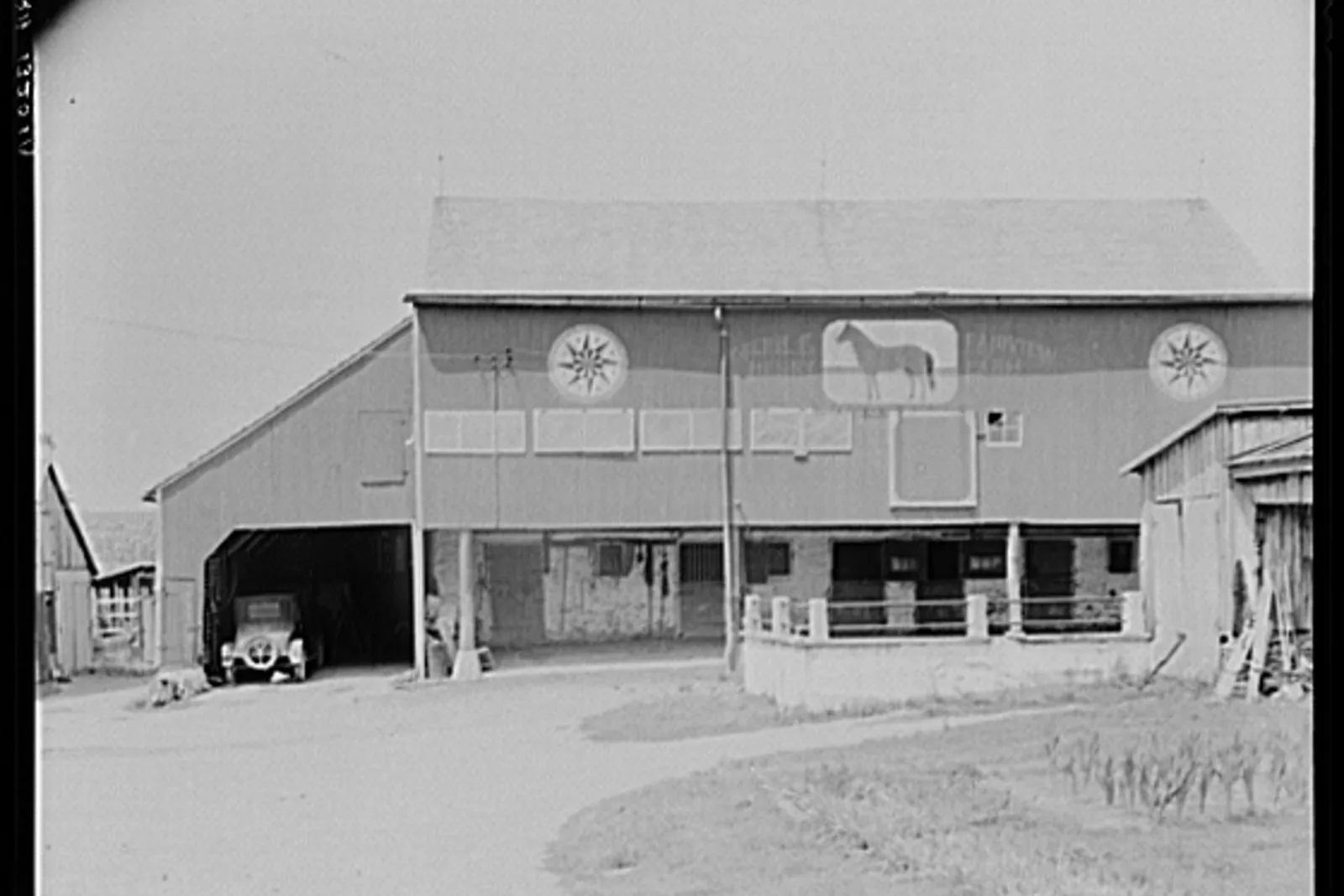
Pennsylvania German history is often pictured as farm history, and agriculture was central. State historical collections describe a very large farming population in southeastern Pennsylvania. Family farms supported settlement beyond the first towns and carried language, worship and household traditions across generations.
But “mostly farmers” should not become “only farmers.” German-speaking printers produced Bibles, almanacs, newspapers, hymnals and political material. Craftspeople worked in textiles, metal, wood and ceramics. Ministers and teachers connected scattered congregations. Millers, merchants and wagoners linked rural households to towns and Atlantic markets.
Ephrata Cloister offers one concentrated example of that range. Founded in 1732 by the German Pietist Conrad Beissel, the community became known for architecture, music, calligraphy and printing. It was religious and rural, but neither culturally plain nor intellectually isolated. Its surviving work makes the stereotype of an unlettered farming people difficult to maintain.
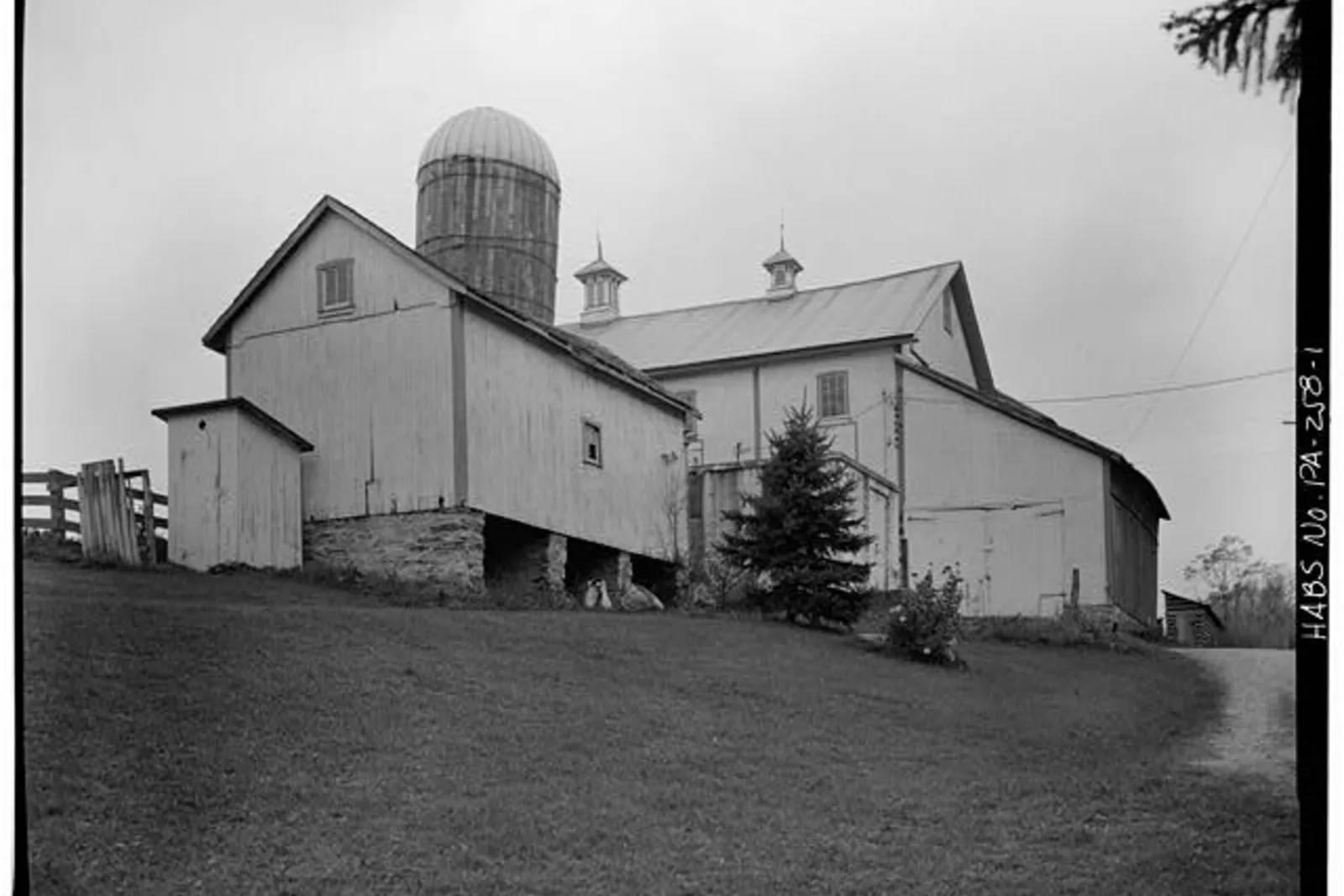
Material culture also changed in America. Barn forms, decorated manuscripts, furniture, textiles, foodways and seasonal customs drew on European knowledge, local resources and contact with neighboring populations. Scholars describe this as a hybrid American culture, not a museum copy of the Rhine valley. A design or recipe can have German roots while its recognizable Pennsylvania form was created on this side of the Atlantic.
Migration was not always voluntary in the simple sense
Pennsylvania appealed to migrants, but the journey was expensive and dangerous. Some households sold property to pay passage. Others used redemptioner or indenture arrangements in which labor in America paid the debt after arrival. Contracts varied, and not every German-speaking immigrant entered one, but the system was common enough to shape the migration story.
That history complicates cheerful accounts of people simply choosing freedom and cheap land. Religious toleration, family strategy and economic hope were real. So were debt, illness, separation and harsh labor. A culture can be quietly proud of what communities built without pretending the route was easy or equally chosen by every person in a household.
What remained after language and churches changed
Pennsylvania German identity did not disappear when many descendants adopted English. It remained in family names, local speech, church histories, farms, recipes, craft traditions and regional institutions. Some elements continued as everyday practice. Others were revived or reinterpreted through festivals, museums and heritage organizations.
That survival should not be measured by whether a family looks Amish. A Lutheran descendant whose grandparents stopped speaking Deitsch may still belong to the historical population. An Amish household may preserve language while following a religious identity that cannot be reduced to ethnic heritage. Both stories are Pennsylvania German, but they are not the same story.
The most useful way to approach the label is broad enough to include difference and precise enough to avoid costume. Ask which region, church, language, occupation and generation is being discussed. “Pennsylvania German” then becomes a historical clue rather than a stereotype.
Why county, congregation and generation change the answer
“Pennsylvania German” is most useful as a starting category, not a final description. Two families could share the label and still have very different lives. A Lutheran household near a market town, a Moravian community, an Amish farm family and a Reformed craft household might use different worship practices, schooling arrangements, clothing and forms of German. Their similarities were real, but so were the boundaries among them.
Place helps explain those differences. Southeastern Pennsylvania contained older settlement zones, towns, farms and transportation routes that did not develop at the same pace. A family close to Philadelphia encountered English institutions and commercial exchange differently from one farther inland. Later migration carried Pennsylvania German people and practices into the Shenandoah Valley, Ohio and other regions, where the culture changed again. A custom documented in one county should not automatically be assigned to every Pennsylvania German family.
Generation matters just as much. An immigrant might speak a regional European dialect and read High German. A child born in Pennsylvania might grow up speaking Deitsch locally and learning English for trade. A later descendant might retain a church name, recipe or expression after the family language had largely disappeared. None of those stages is the single authentic form of the culture. They show how an immigrant population became a regional American one.
This is why historical labels should be tested against specific evidence. When a source says “Pennsylvania Dutch,” ask when it was written, where the people lived and whether it describes language, religion, ancestry or a marketable folk image. The answers may overlap, but they are not interchangeable. Care with those distinctions keeps the history recognizable to descendants without turning a varied population into one costume or one way of life.
An optional expression after the history
Carry the family story forward
These designs express a present-day connection to German-American roots; they are not historical evidence or a substitute for the sourced account.
Frequently asked questions
Common questions
Are Pennsylvania Germans the same as the Amish?
No. Amish communities are one visible part of Pennsylvania German history, but most colonial Pennsylvania Germans belonged to Lutheran and German Reformed churches. Mennonites, Brethren, Moravians, Schwenkfelders and other groups also formed distinct communities.
Why are Pennsylvania Germans called Pennsylvania Dutch?
Pennsylvania Dutch is a long-established English name for the group. It is connected to older uses of Dutch for continental Germanic peoples and to the word Deutsch or Deitsch, but the familiar story that English speakers simply misheard one word is too neat to treat as the complete etymology.
Did Pennsylvania Germans come from modern Germany?
Their ancestors came from German-speaking territories before Germany became a unified nation-state. Important origins included the Palatinate and other southwestern German lands, as well as Switzerland and Alsace.
Is Pennsylvania German a form of broken German?
No. Pennsylvaanisch Deitsch developed from real German dialects, especially southwestern and Palatine speech, and changed naturally in North America through contact among migrants and with English.