
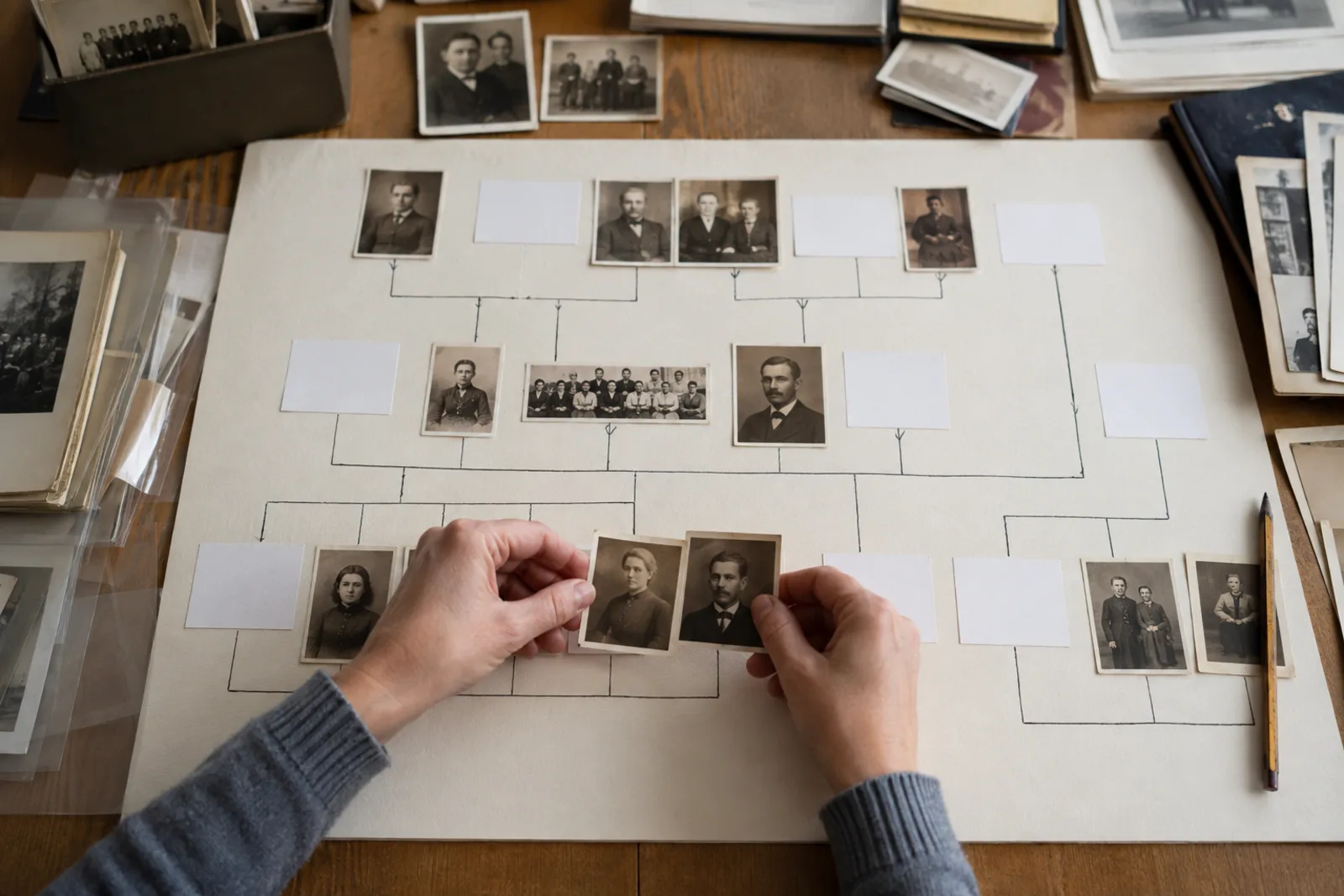
On this pageChoose a tree structure before adding generations
A family tree is useful when it shows both the family and the evidence behind it. The boxes and connecting lines are only the surface. Under each person should be a record of names, events, places, relationships, sources and unresolved questions. Without that layer, a polished German pedigree can spread one mistaken identity through several generations.
This guide focuses on building and maintaining the tree. It does not own the broader process of locating the immigrant’s hometown or selecting German archives; that work belongs in the complete ancestry workflow.
Choose a tree structure before adding generations
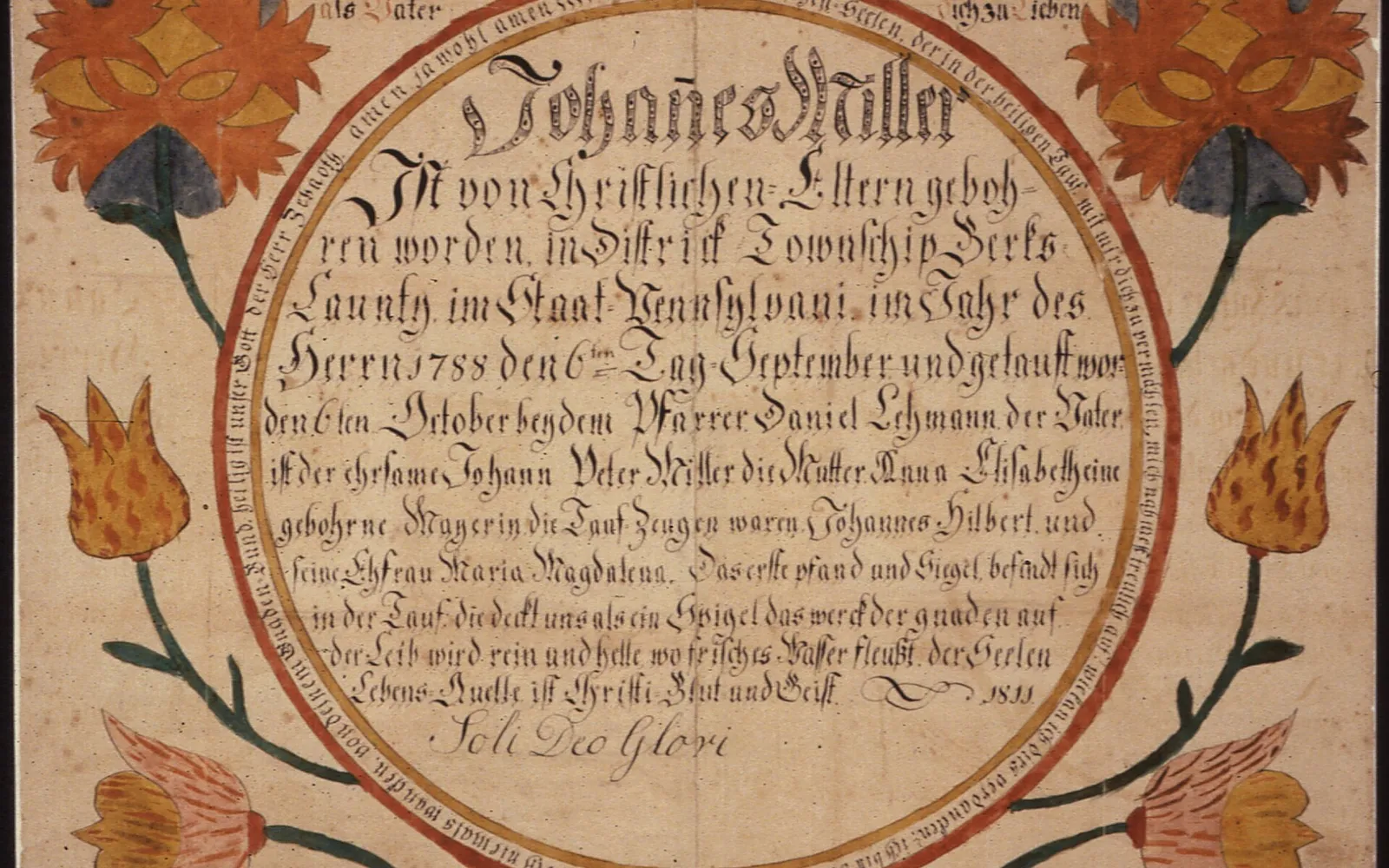
You can build the tree in desktop software, a private online tree, a collaborative tree, a spreadsheet or paper charts. The tool matters less than the fields and export options. Before entering data, check that the system can:
- store sources and citations;
- attach a source to an event or relationship;
- preserve alternate names and notes;
- distinguish exact, approximate and calculated dates;
- record historical and modern place names;
- export a standard genealogy file or readable report;
- control information about living people.
A public collaborative tree can be valuable, but it is not the best place for an untested branch. Begin with a private working space when you are still comparing identities or recording details about living relatives.
If the tree will include inherited photographs and documents, keep the master files outside the tree platform as well. A flatbed scanner for safe, flat originals(paid link) can create working copies, while appropriately sized photo-safe storage(paid link) can protect the physical items after their order and labels are recorded.
Browse Flatbed Photo Scanners
Search Amazon for flatbed scanners and compare scan area, optical resolution, software compatibility, file formats, seller, and returns.
Best for: Families scanning loose photographs, letters, and documents that fit safely on a flat bedBrowse Acid-Free Photo Storage
Search Walmart for photo-safe boxes and sleeves, then compare materials, dimensions, capacity, seller, and return terms.
Best for: Families organizing loose photographs after documenting their original orderBuild from a documented core
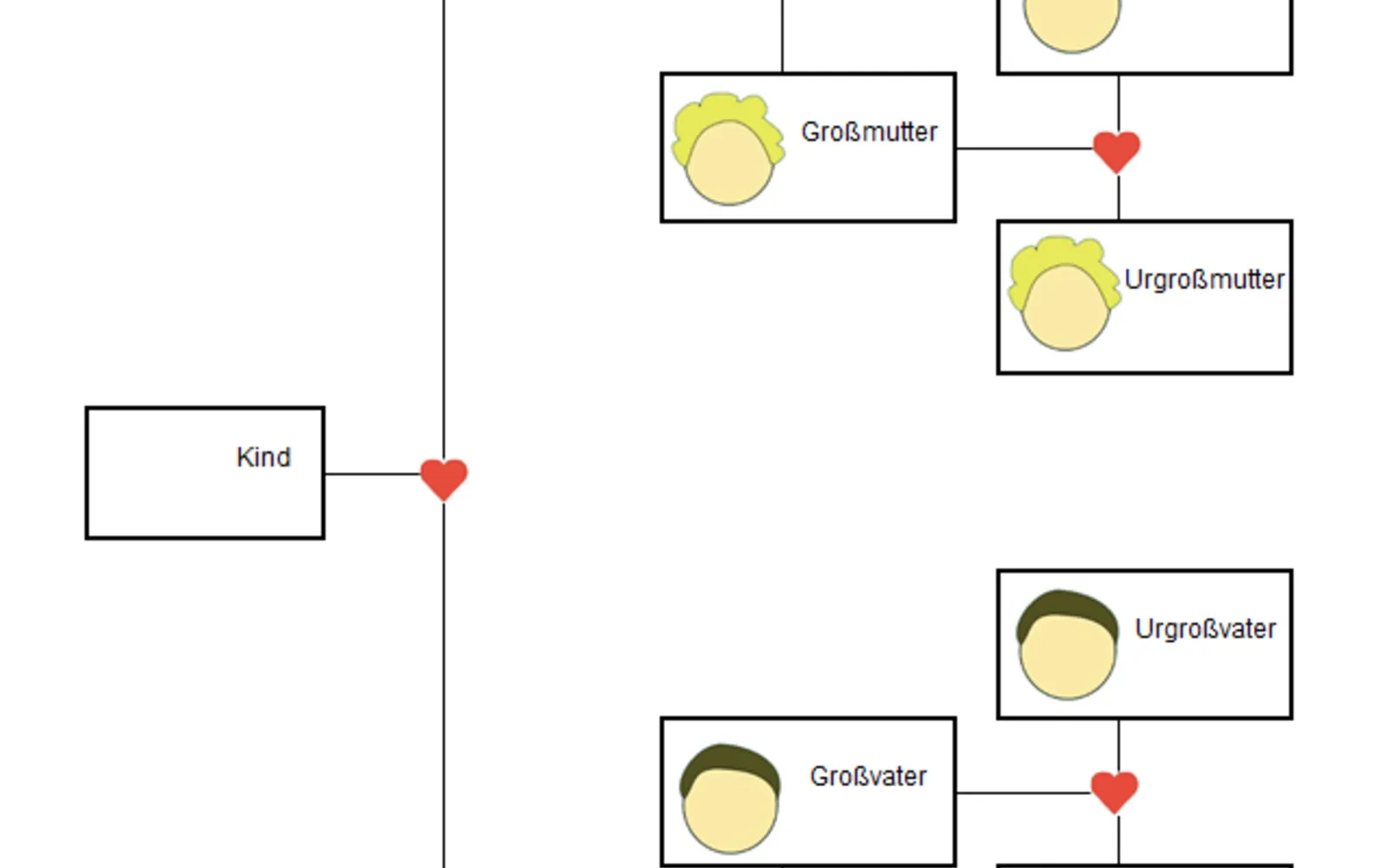
Build the tree one relationship at a time
The order below keeps the visible pedigree tied to retrievable evidence.
Create yourself and the known family
Enter yourself, parents and grandparents using the names and relationships you can confirm. Keep living-person profiles private and avoid adding sensitive documents to a public tree.
Record names as identities, not decorations
Use a person’s birth or maiden name as the primary name when known. Add married names, umlaut variants, ae/oe/ue forms, Americanized spellings and aliases as alternate names with their sources.
Tip: Müller, Mueller and Miller may all belong to one person—or to different families. Let records decide.
Add events with dates and places
Enter birth or baptism, marriage, residence, immigration, naturalization, occupation and death events only to the precision supported. Use a date range or about-date when the record does not justify an exact day.
Attach the record to the fact it supports
A census may support residence and a household relationship; a baptism may support parents and birthplace. Do not attach a source broadly without noting which claims it actually supports.
Document each parent-child and couple relationship
Relationships are conclusions. Add the records and reasoning that connect the people, especially when surnames differ, a child was born before marriage, or two possible parents exist.
Keep conflicting facts side by side
Do not overwrite one birth year with another merely to remove a warning icon. Record both statements, identify their sources and explain which one you currently prefer and why.
Review a generation before adding the next
Confirm that the person, spouse, children, residences and source trail form one coherent identity. Only then use the evidence to move backward.
Export, back up and create a readable summary
Save the database, a standard export and copies of important records in more than one location. A short research summary helps future relatives understand decisions that a chart cannot show.
The National Archives advises researchers to start with themselves and work from known information toward the unknown. In tree-building terms, that means no floating ancestor. Every new person should connect through a relationship you can explain. A person who merely shares a surname, village or approximate year remains a candidate outside the tree until the connection is supported.
Handle German names without creating duplicate people
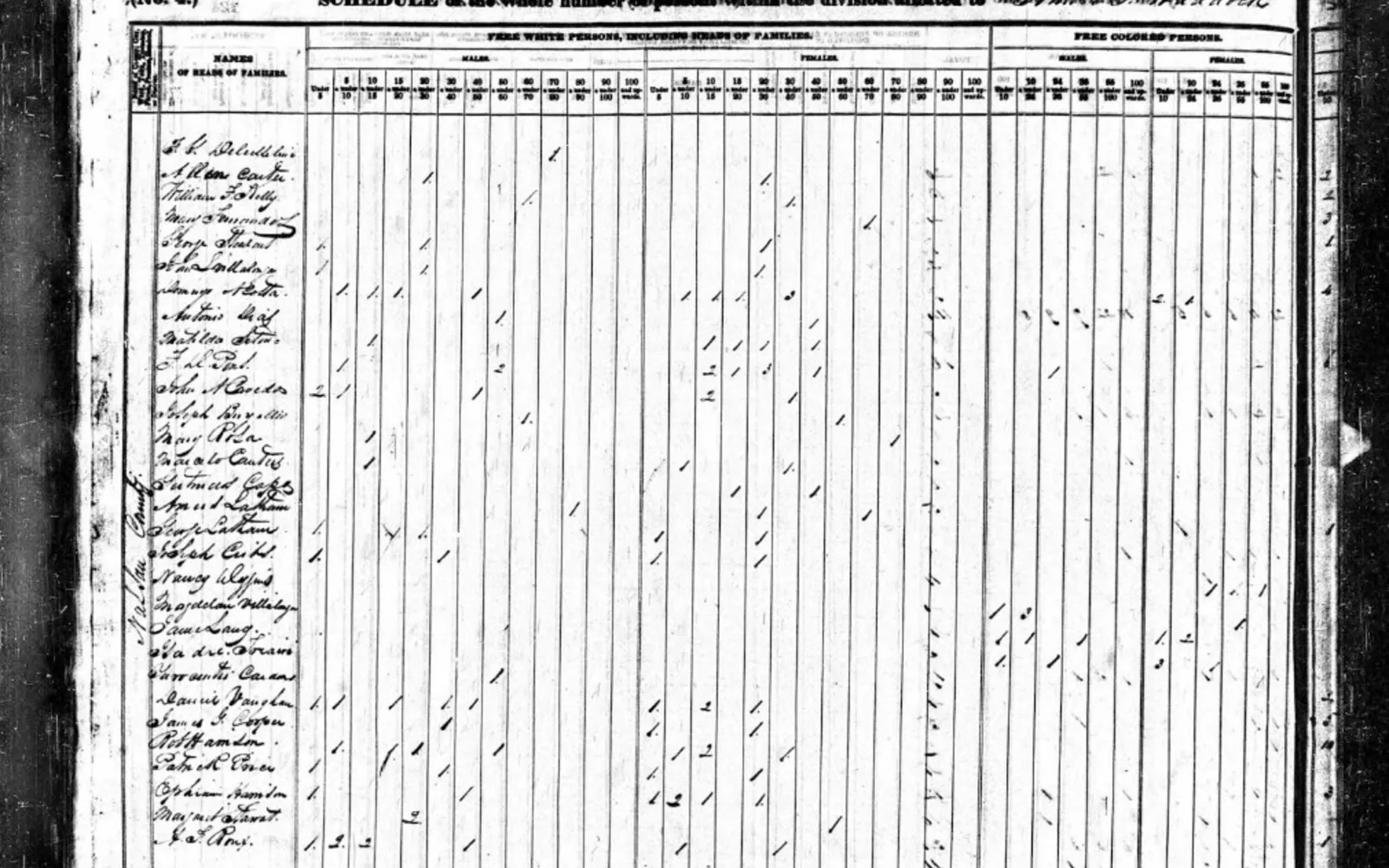
German-American records may show a person under several forms:
Johann Friedrich MüllerFriedrich MüllerFred MuellerFred Miller
Those forms may describe one person, but the spelling change alone does not prove it. Use family members, residence, occupation, age, religion and associates to test the identity. Store the full name from each source in notes or alternate-name fields, and explain why the records are grouped.
Do not remove diacritics from the evidence. If a source gives Müller, preserve it. Add Mueller and Miller for searching or later usage. The same principle applies to given names. A child baptized as Johann Heinrich may appear in America as Henry, but the tree should show when and where each form was used.
Record places in two layers
A German locality can have historical, administrative and modern descriptions. One field cannot always carry all three cleanly.
Use a pattern such as:
- Source text:
Königsberg, Ostpreußen - Historical interpretation at event date: Königsberg, East Prussia, Kingdom of Prussia
- Modern location: Kaliningrad, Russia
- Jurisdiction note: parish or civil office still to be identified
- Confidence: historical city identification certain; specific parish unknown
This protects the source from later normalization. It also makes clear that a modern country label is not necessarily the jurisdiction needed to find the original record.
Cite enough for someone else to find the item
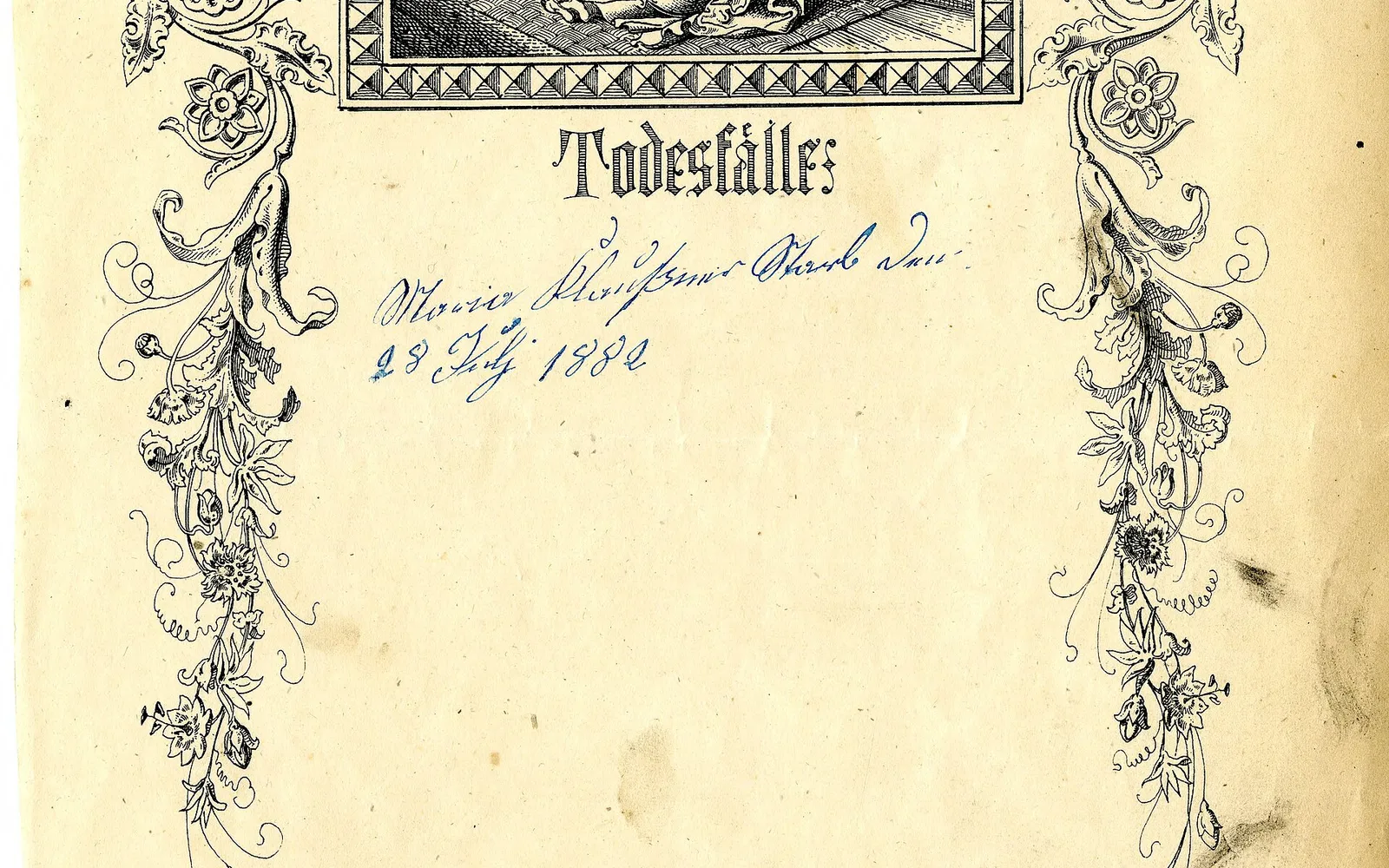
FamilySearch recommends entering enough source information for another person to locate the record. A useful genealogy citation commonly answers:
- What is the record or collection?
- Who created it?
- Which person, event, page, certificate or image is relevant?
- Where is the record held or published?
- How and when did you access it?
- What claim does it support?
A bare URL is fragile. A database search result without the collection, image number or record details may be impossible to reproduce after a website changes. Save the record image when rights and access rules permit, but keep the citation even when you have a copy.
Keep hypotheses from becoming ancestors
Tree-building boundaries
Do
- Create a separate candidate note or unlinked profile for a possible ancestor.
- Use approximate dates and confidence notes when the evidence is approximate.
- Source adopted, step, foster and other relationships according to what records and family permissions support.
- Review imported data before accepting it into the master tree.
- Keep living-person data private unless the person agrees to a defined use.
Avoid
- Connect two people because a public tree already shows the relationship.
- Use surname similarity as proof of parentage.
- Delete conflicting information to make a profile look tidy.
- Publish certificates or recent family details without considering privacy and permission.
- Let a platform’s hints replace a written research question and source review.
Verify the tree before calling a generation complete
Generation review
- Each person is distinguishable
Name variants, family, residence and dates separate the person from same-name candidates.
- Every parent-child link has support
The tree does not jump a generation or rely only on a surname.
- Key events have retrievable citations
Another researcher can identify the collection and exact record.
- Historical places are preserved
Modern standardization has not replaced the original place wording.
- Conflicts and estimates remain visible
The tree does not imply precision or certainty beyond the evidence.
- The file exists outside one service
An export, readable report and record backup are stored separately.
The beginner guide explains the evidence categories used here. When you are actively researching a new generation, keep the German genealogy checklist beside the tree so that source and identity checks happen before the branch grows.
A good family tree is not the one with the most names. It is the one that shows how its names belong together.
A keepsake after the source work
Make the connection personal
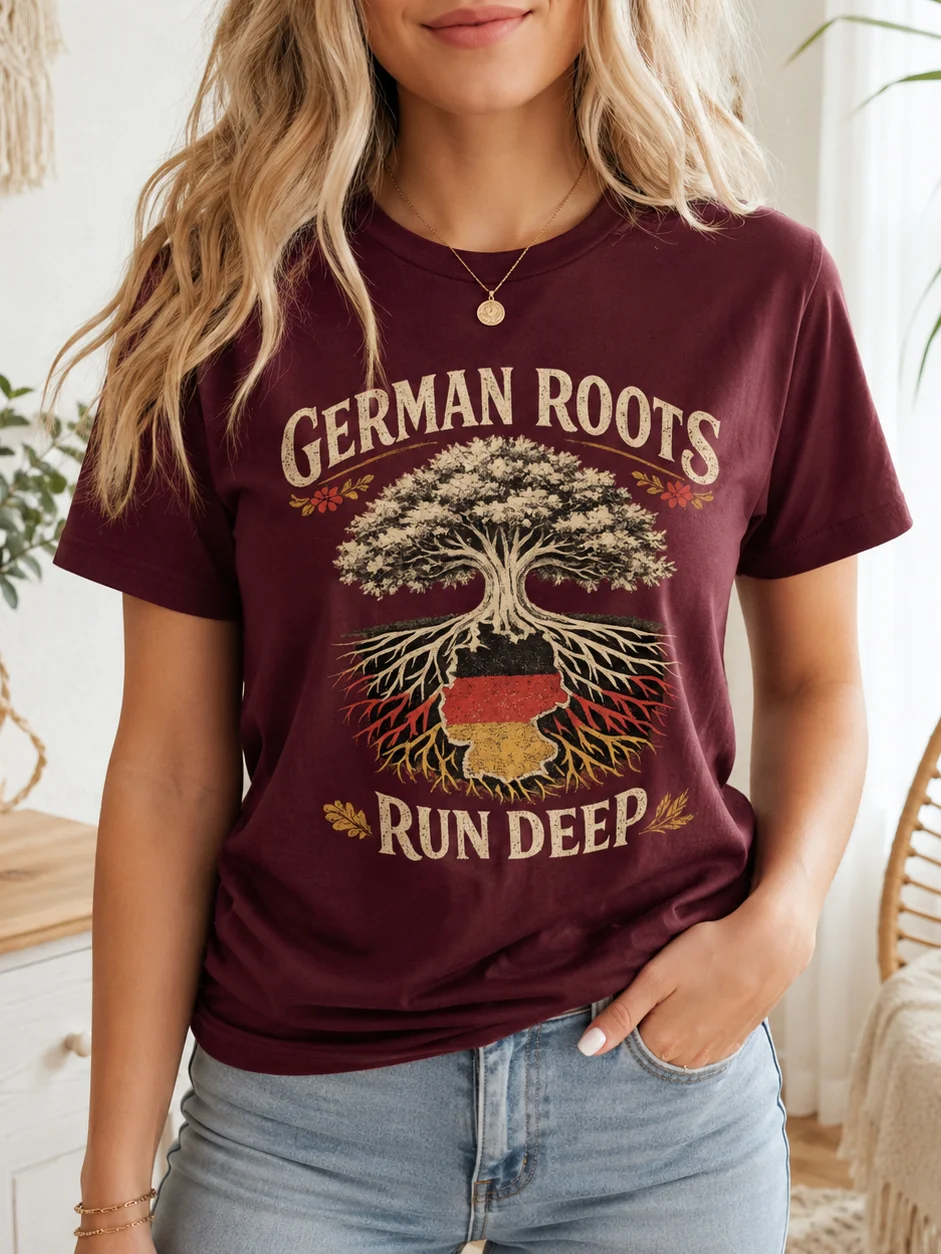
A German-roots design can celebrate the family story, while the tree and its citations preserve how the generations actually connect.
Frequently asked questions
Common questions
Should I use a public or private family tree?
Use a private working tree while identities, living-person details or relationships remain uncertain. A public or collaborative tree can be useful later when sources and privacy choices are clear.
Which surname should I use for German women?
Use the birth or maiden surname as the primary genealogy name when known, and add married surnames as alternate names supported by records.
Can I copy a branch from another online tree?
Treat it as a lead. Review its sources, inspect the underlying records and rebuild each relationship in your own tree with citations and reasoning.
What should I do with conflicting birth dates?
Keep both statements with their sources, compare who supplied each detail and how close the record was to the event, then record a reasoned preference or leave the conflict unresolved.