

On this pageDefine the research unit
A useful genealogy checklist does not tell you to search ten websites. It tells you whether the current conclusion is strong enough to guide the next search. Use this page at the start of a project, after a promising discovery and before adding a parent or German locality to the family tree.
The checklist assumes you are researching one identified person or couple. If the family connection is still only “someone on this side came from Germany,” begin with the zero-information triage guide rather than checking boxes against an unknown target.
Define the research unit
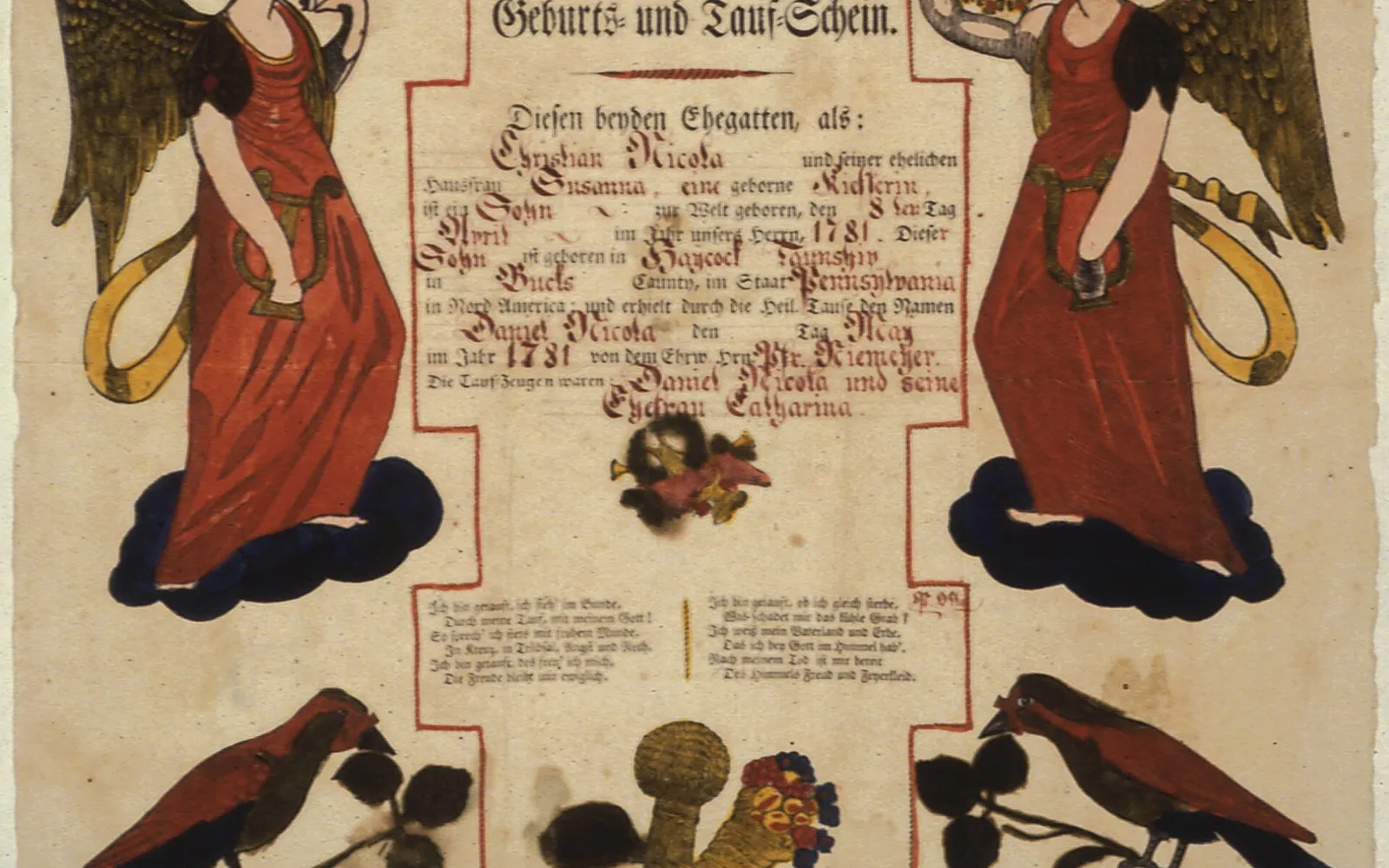
The four things this checklist audits
- Identity
- Whether the records describe the same person rather than a same-name candidate.
- Relationship
- Whether evidence connects a child to parents, spouses to each other or the target to your documented line.
- Locality
- Whether a place is specific and historically interpreted well enough to select a record jurisdiction.
- Source trail
- Whether the record can be retrieved and the reasoning from evidence to conclusion is visible.
A project may be strong in one category and weak in another. A passenger list may identify a precise village but not prove that the passenger is your ancestor. A census may prove the household but give only “Germany” as birthplace. The checklist keeps those partial answers from being combined into more certainty than either record provides.
Run the checklist in two passes
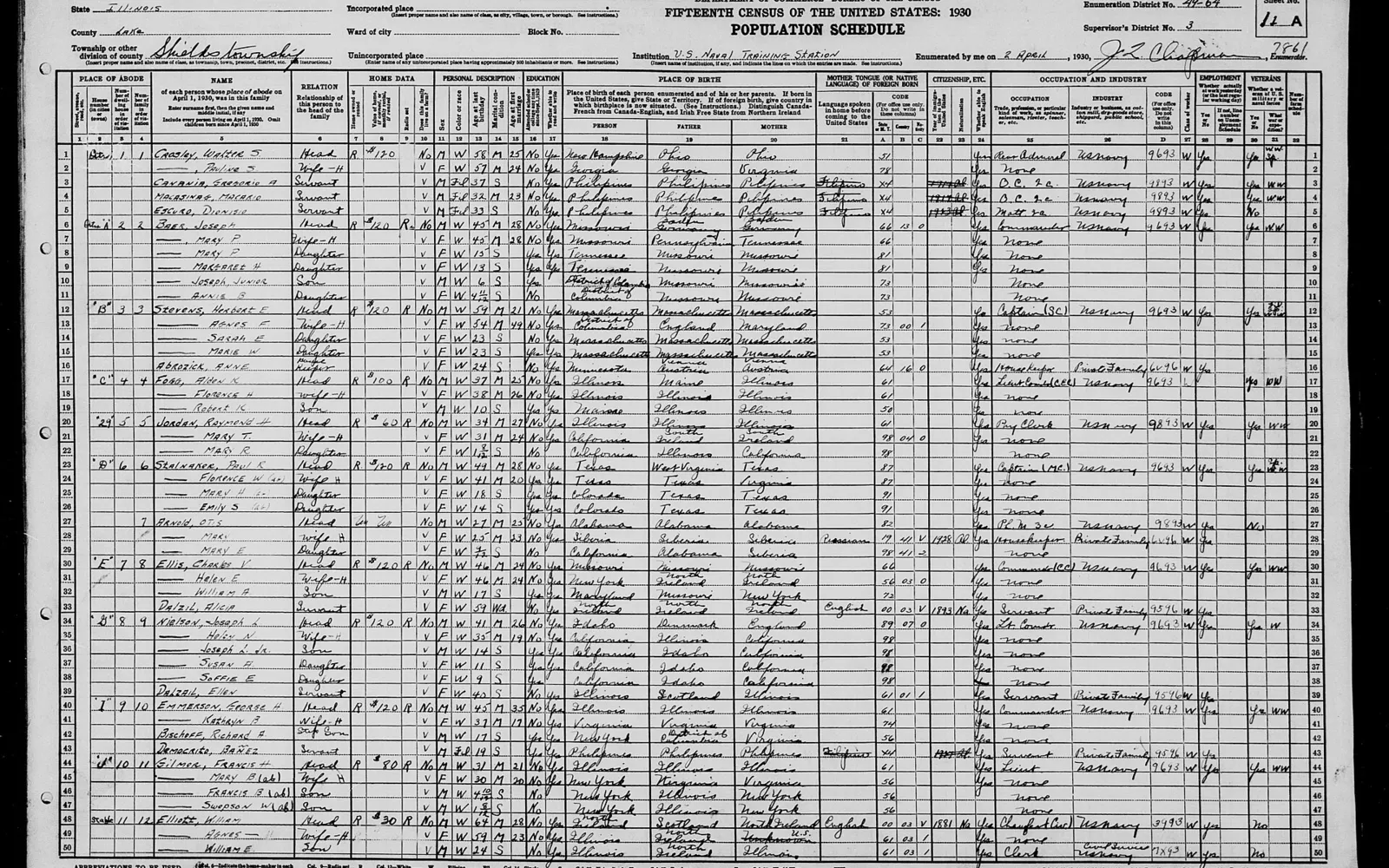
A repeatable review routine
The first pass checks what you have. The second turns gaps into a focused plan.
Name the current claim
Write one sentence such as 'This baptism belongs to the Ohio immigrant Karl Becker' or 'Maria Schmidt was the mother of Anna Schmidt.' Avoid auditing an entire surname line at once.
Complete the evidence pass
Use the main checklist below to review identity, relationships, sources, places and conflicts. Mark an item missing rather than stretching a clue to make it pass.
Choose the highest-risk gap
Identity and parent-child relationships usually deserve attention before secondary dates or spelling differences. A wrong person makes every later detail irrelevant.
Write one next-record question
Select a record type and jurisdiction capable of answering the gap. Record why that source should exist and what result would support or weaken the claim.
Log the search and rerun the gate
After the search, record positive and negative results, update the source trail and repeat only the affected checklist sections.
Main German genealogy checklist
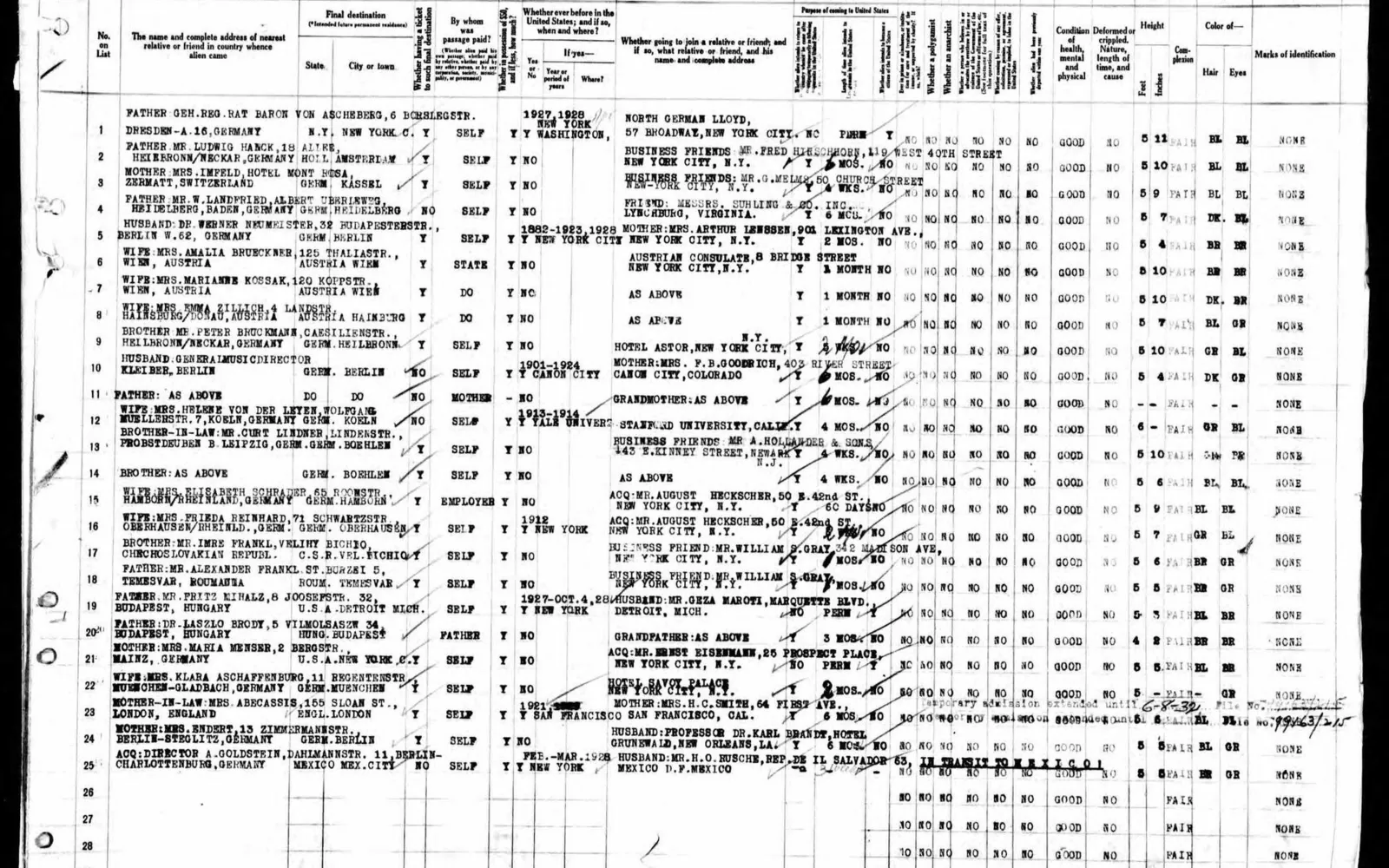
Evidence and workflow gate
An item can be complete, incomplete or not yet applicable. Add notes and citations beside the checkmark in your working file.
- The target person is named and scopedrequired
Full name variants, approximate dates, spouse or family and an American or European residence are recorded.
- The path from the target to you is visiblerequired
Every generation in the claimed line is connected; there is no skipped parent-child link.
- Same-name candidates were consideredrequired
Age, family, residence, occupation, religion and associates distinguish the target from plausible alternatives.
- Family memory is labeledrequired
The speaker, wording and date are preserved without presenting the memory as a verified record.
- Key American records were selected by questionrequired
Census, vital, church, obituary, naturalization, passenger, military, probate or land records were used because they can answer a defined gap.
- Indexes led to records when possiblerecommended
The original image, official copy or full database record was inspected instead of relying only on a transcription.
- Each important fact has a retrievable citationrequired
Collection, creator, person or event, image/page/certificate, repository or URL and access information are saved.
- Relationships have evidencerequired
Sources support the parent-child or couple connection, not only separate facts about each person.
- Name variants are preservedrequired
Maiden names, German forms, transliterations, Americanized spellings, nicknames and clerk errors remain searchable.
- Dates match their evidence levelrequired
Exact dates, ranges, calculated dates and estimates are not mixed or silently upgraded.
- Place wording is preservedrequired
The source text remains visible alongside any standardized historical or modern interpretation.
- The locality is specific enoughrequired
A town, village, parish, district or last residence is available before deep German record searching.
- Historical jurisdiction is identifiedrequired
The relevant civil office, parish, church archive, municipal archive or state archive is tied to the event date.
- Conflicts are recorded and analyzedrequired
Competing dates, places, names or relationships have not been deleted merely to keep one clean profile.
- Negative searches are loggedrecommended
Repository, collection, name variants, date range and result are recorded so the search is not repeated blindly.
- The next question is writtenrequired
The project ends each session with one specific missing fact, relationship or source to pursue.
The National Archives describes names, dates, places and relationships as the central items extracted from records and recommends working from the known toward the unknown. This checklist adds the controls needed for German locality research: source wording, historical jurisdictions and a clear stop point before crossing into German records.
The FamilySearch Germany guidance begins with identifying the ancestral town and understanding jurisdictions over time. The Bundesarchiv’s own guidance reinforces the same boundary: civil and church registers are generally held by local or regional institutions, not in one national person archive. A checklist item that asks “searched Germany?” is therefore too vague to be useful.
Interpret a failed item correctly
Treat checklist results as evidence, not a score
Do
- Write down where you searched and the exact scope of the collection.
- Keep conflicting names, dates and places attached to their sources.
- Turn each missing item into a narrower next question.
Avoid
- Assume a missing index entry proves that no record exists.
- Choose the most convenient date simply to complete the form.
- Add a generation because most boxes are checked when the relationship itself remains weak.
A missing check is not a judgment on the researcher. It is a routing instruction.
- Identity fails: compare household, spouse, children, occupation, address, religion and associates.
- Relationship fails: seek records that name both generations, such as birth/baptism, marriage, obituary, probate, guardianship or church records appropriate to the case.
- Locality fails: search naturalization files, passenger records, obituaries, church records, children’s records and collateral relatives.
- Jurisdiction fails: use a historical gazetteer, archive directory and denomination-specific guidance.
- Citation fails: return to the image or repository entry and record enough detail to retrieve it.
- Conflict fails: do not select the preferred answer by vote; compare informants, timing, purpose and consistency with other evidence.
The checklist can also audit how evidence is preserved. If paper records or photographs are part of the source trail, compare a flatbed scanner for preservation copies(paid link) and photo-safe storage for the originals(paid link). Confirm dimensions, materials and software compatibility for the exact items you choose.
Browse Flatbed Photo Scanners
Search Amazon for flatbed scanners and compare scan area, optical resolution, software compatibility, file formats, seller, and returns.
Best for: Families scanning loose photographs, letters, and documents that fit safely on a flat bedBrowse Acid-Free Photo Storage
Search Walmart for photo-safe boxes and sleeves, then compare materials, dimensions, capacity, seller, and return terms.
Best for: Families organizing loose photographs after documenting their original orderFinal quality gate before adding a generation
Ready to extend the line?
- The current person is the correct identityrequired
No unresolved same-name candidate fits the core family and location equally well.
- The parent or spouse connection is supportedrequired
The relationship is stated in a record or explained through a documented body of evidence.
- The strongest conflict is addressedrequired
The conclusion does not depend on hiding a contradictory record.
- The source trail can be repeatedrequired
Another researcher could find the records and understand the reasoning.
- The next generation is still a questionrequired
A candidate parent has not been promoted before evidence is collected.
If the gate passes, use How to Build a German Family Tree to enter the relationship with sources and uncertainty notes. If the locality and jurisdiction are ready, continue with How to Trace Your German Ancestry for the broader America-to-Germany process. When a term or evidence category is unclear, return to German Genealogy for Beginners.
The checklist is complete when it produces a defensible next action—not when every box is forced to say yes.
Keep the family connection visible
A roots keepsake beside the research
Use the checklist to support the family claim; use the design simply as a personal expression of that documented connection.

Frequently asked questions
Common questions
Do I need every checklist item before beginning?
No. Use the list to identify the next gap. The final quality gate matters before you add a new relationship or move into a German locality search.
What should I record for a negative search?
Record the repository or database, collection, date range, names and variants searched, filters used, access date and the fact that no relevant result was found.
Is a census index enough to check the source box?
It can be a lead, but inspect the census image or full record when available. The page may contain relationships, neighbors, headings and corrections omitted from the index.
How often should I rerun the checklist?
Rerun the relevant sections after a major source, identity change, new locality clue or conflicting record, and before extending the line by another generation.