
On this pageLearn the few terms that change how you research
German genealogy becomes manageable when you stop treating it as a search for “German names” and start treating it as a sequence of small evidence questions. You do not need to know old handwriting, subscribe to every database or understand every historical border before beginning. You do need one identifiable person, a habit of recording sources and enough patience to move from broad clues toward a specific place.
Learn the few terms that change how you research
Six working definitions for a beginner
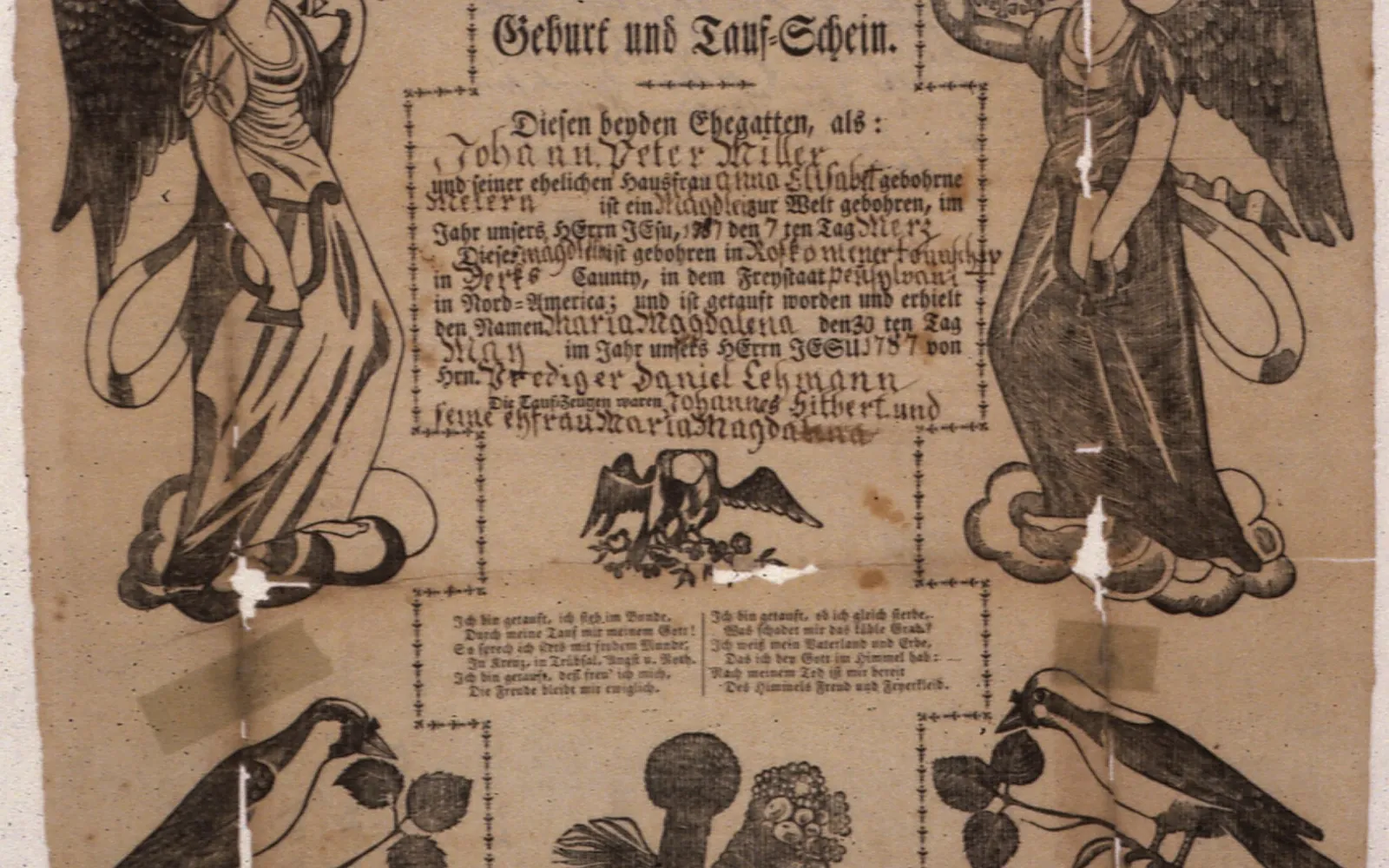
- Original record
- A record created in the course of an event or institution, such as a civil register, church book, census page or naturalization file. The surviving item may be an image, microfilm or certified copy.
- Index
- A finding aid that extracts selected details from records. It can lead you to evidence, but it may omit fields or contain transcription errors.
- Compiled tree
- A family tree assembled by another researcher or platform. It can suggest leads, but every relationship still needs evidence.
- Jurisdiction
- The civil, religious or administrative authority responsible for a record at a particular place and time.
- Citation
- The information needed to identify and retrieve a source again, including the collection, record, page or image and repository.
- Inference
- A conclusion drawn from several clues rather than a statement written directly in one record. An inference should be explained, not disguised as a quoted fact.
These categories are not a ranking in which every original record is automatically correct and every family memory is useless. A death record may contain a birthplace supplied by someone who never met the deceased person’s parents. A carefully preserved family letter may name a village more precisely. The point is to know what kind of item you are reading, who created it and how close that person was to the information.
FamilySearch notes that attaching sources helps researchers evaluate conflicting information and explain the accuracy of a tree. That is the beginner habit worth adopting early: do not wait until the tree is large to ask where each fact came from.
Understand what is different about German research
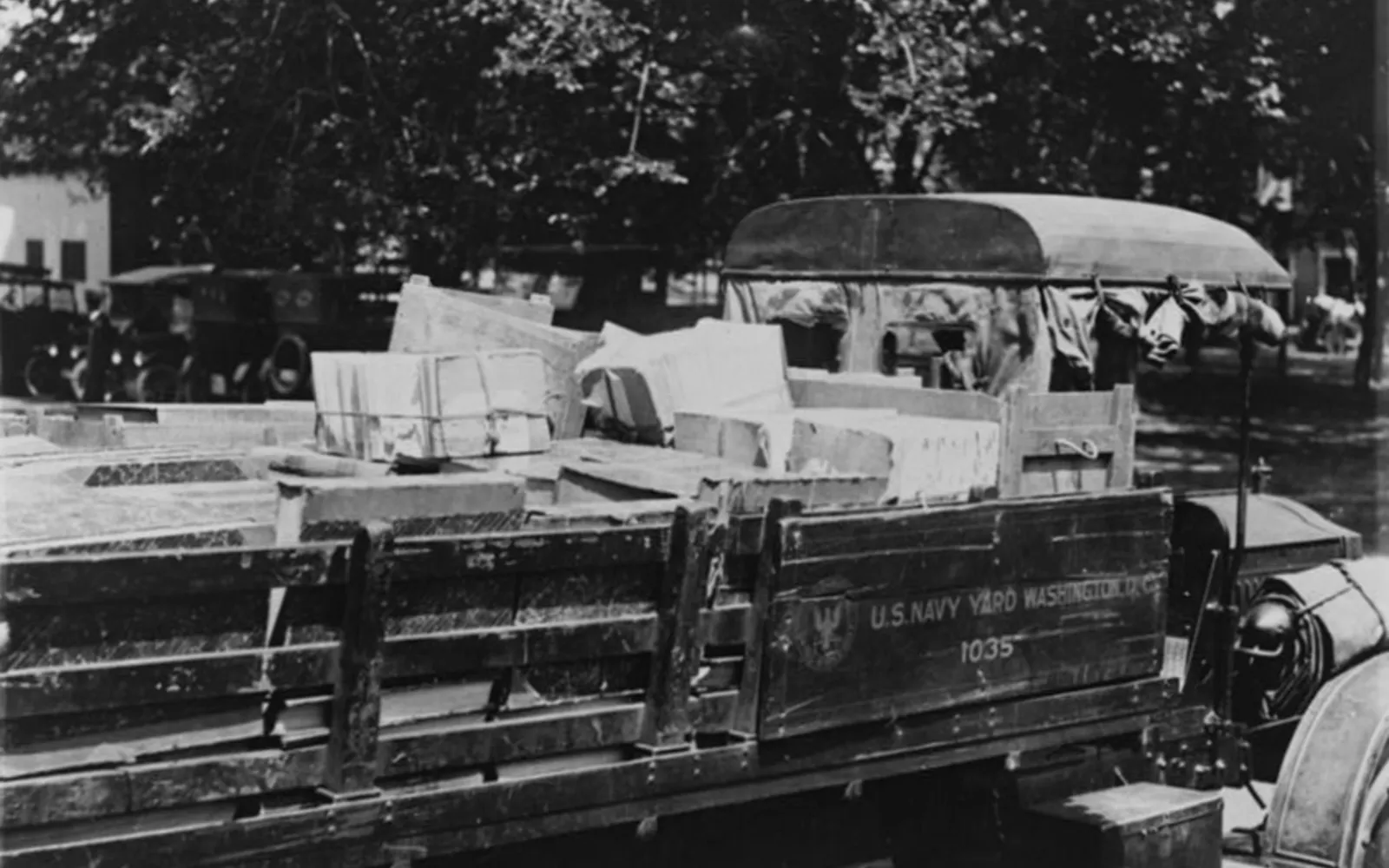
“Germany” has not always described the same political territory, and many German-speaking families came from places that now fall within different national borders. A person may appear in American records as German while the relevant birthplace is now in Poland, France, Russia, the Czech Republic or another country. The historical place wording matters.
German civil and church records are also decentralized. The German Federal Archives explains that it is not a central archive for all person-related documents and generally does not hold civil or parish registers. Those records are commonly held by registry offices, parishes, church archives, municipal archives or state archives. A beginner should therefore ask two questions before searching a German collection:
- What exact place did the event occur in?
- Which authority kept that record in that year?
This is why searching Germany before identifying the immigrant’s town often produces dozens of plausible people and no reliable connection.
What to gather before opening a German database
- The nearest known generations
Full names, maiden names, approximate dates, places and relationships for yourself through the target line.
- Family-held material
Certificates, funeral cards, letters, photographs, Bibles, military papers and notes on photo backs.
- One target ancestor
Preferably a person who lived in the United States and can be identified through family and residence.
- A list of name variations
Include umlaut forms, ae/oe/ue spellings, Americanized forms and possible transcription errors.
- A research question
Ask for one missing fact or relationship, not the complete history of a surname.
- A place to record sources
A spreadsheet, genealogy program or consistent document system is enough.
If you currently have little more than “my grandfather said we were German,” use the zero-information guide first. That article owns the family triage step. This guide owns the concepts and working habits you need once a target starts to emerge.
The best beginner setup is usually the equipment you already understand. When family papers need a preservation copy, compare a flatbed scanner sized for photographs and documents(paid link); after documenting the original order and labels, photo-safe boxes and sleeves(paid link) can help reduce routine handling.
Browse Flatbed Photo Scanners
Search Amazon for flatbed scanners and compare scan area, optical resolution, software compatibility, file formats, seller, and returns.
Best for: Families scanning loose photographs, letters, and documents that fit safely on a flat bedBrowse Acid-Free Photo Storage
Search Walmart for photo-safe boxes and sleeves, then compare materials, dimensions, capacity, seller, and return terms.
Best for: Families organizing loose photographs after documenting their original orderComplete one small research cycle
A beginner’s first research cycle
The goal is not a finished tree. The goal is one question answered or narrowed with a source trail.
Write one precise question
Choose a missing parent, birthplace, marriage or immigration detail for one person. Include the American residence and approximate date that distinguish the person.
Review what the family already has
Extract names, dates, places and relationships from interviews and household material. Mark each item as memory, artifact or official record.
Search a likely American record group
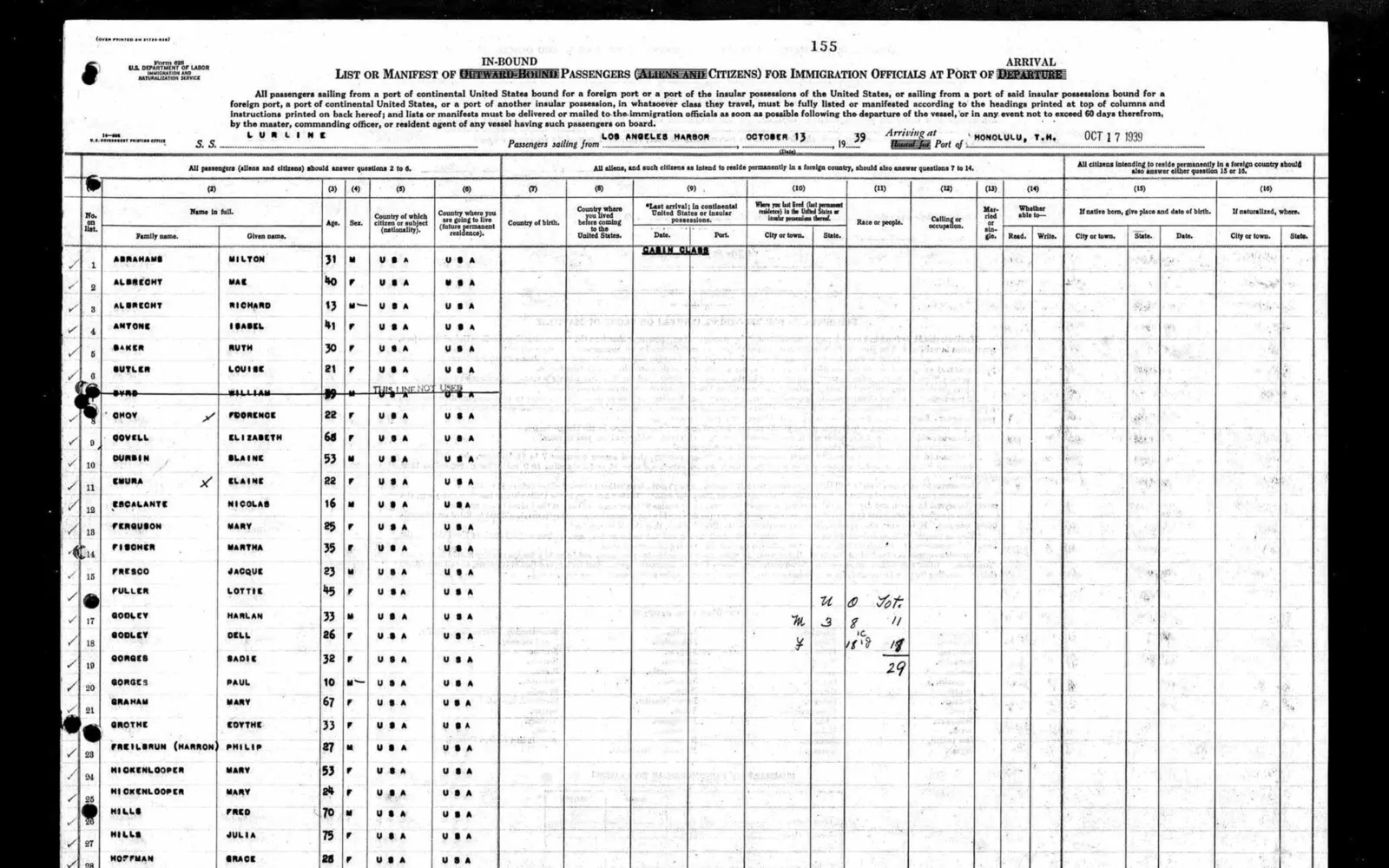
Select a census, vital record, obituary, church record, naturalization file or passenger list based on the question. Search name variants and nearby relatives rather than one exact spelling.
Inspect the source, not only the result list
Open the image or request the record when possible. Note who supplied the information, what the record actually says and which fields are absent.
Cite and evaluate it
Save enough detail to retrieve the record. Compare it with existing facts and note agreements, conflicts and questions.
Choose the next record deliberately
Use the new clue to select a different source that can confirm, correct or extend it. Avoid adding another generation solely from a public tree.
A research cycle can end without a positive answer. A search that shows the person was not in an expected county, or that two similarly named families were separate, still improves the next search if you record it. Negative results become wasted effort only when they are forgotten and repeated.
Read American records for more than birthplace
The National Archives identifies names, dates, places and relationships as the basic tools of genealogy. In German-American research, associates can be equally useful. A witness on a naturalization petition, a baptism sponsor, a neighbor in the census or a relative named in an obituary may connect the immigrant to a hometown network.
Do not extract only the line with your ancestor’s name. Record the household, address, occupation, religion and nearby people when they help identify the family. Later, a sponsor’s German record may reveal the same village that your ancestor’s American record left blank.
This is also why a surname meaning is not a research shortcut. Occupational surnames such as Müller or Schmidt occur in many unrelated families. A coat-of-arms website, surname distribution map or DNA ethnicity estimate may be interesting context, but it does not establish a parent-child relationship.
Avoid the most tempting shortcuts
A beginner’s evidence boundary
Do
- Treat online trees as leads that may point toward records.
- Attach sources to relationships as well as individual events.
- Record why you believe two records describe the same person.
- Check historical place names and jurisdictions before selecting a German archive.
- Ask for help with handwriting only after preserving a clear image and full context.
Avoid
- Copy an unsourced pedigree because several websites repeat it.
- Assume one spelling is the original or correct family form.
- Translate a place name before saving the source wording.
- Expect one archive or website to contain every German record.
- Turn a probable relationship into a definite one to make the tree look complete.
Choose the next guide by your current job
Use How to Trace Your German Ancestry when you are ready for the complete America-to-Germany workflow. Use How to Build a German Family Tree when the challenge is organizing people, relationships, sources and uncertainty. Keep the German Genealogy Research Checklist beside an active project when you need to audit what is complete.
A beginner has made real progress when the next question is smaller and better defined than the first one.
An optional way to express the connection
Research first, keepsake second
A roots design can mark a family connection, but the sources and citations remain the meaningful part of genealogy.

Frequently asked questions
Common questions
Do I need to speak German to start German genealogy?
No. Begin with family material and American records in English. German vocabulary and handwriting become important after you identify a locality and record type; translation tools and record-specific word lists can support that later step.
Is an online family tree a source?
It is a compiled research product and can provide useful leads, but it does not replace the records or reasoning behind its relationships. Follow its citations and evaluate the underlying evidence.
Why is the exact town so important?
Civil and church records were created and preserved by local jurisdictions. A town, parish or district helps determine which office or archive may hold the record; the word Germany usually does not.
Should I start with German records or American records?
For a German-American line, usually begin with the known family and American records. They help identify the correct immigrant and may reveal the locality needed to search German collections responsibly.