
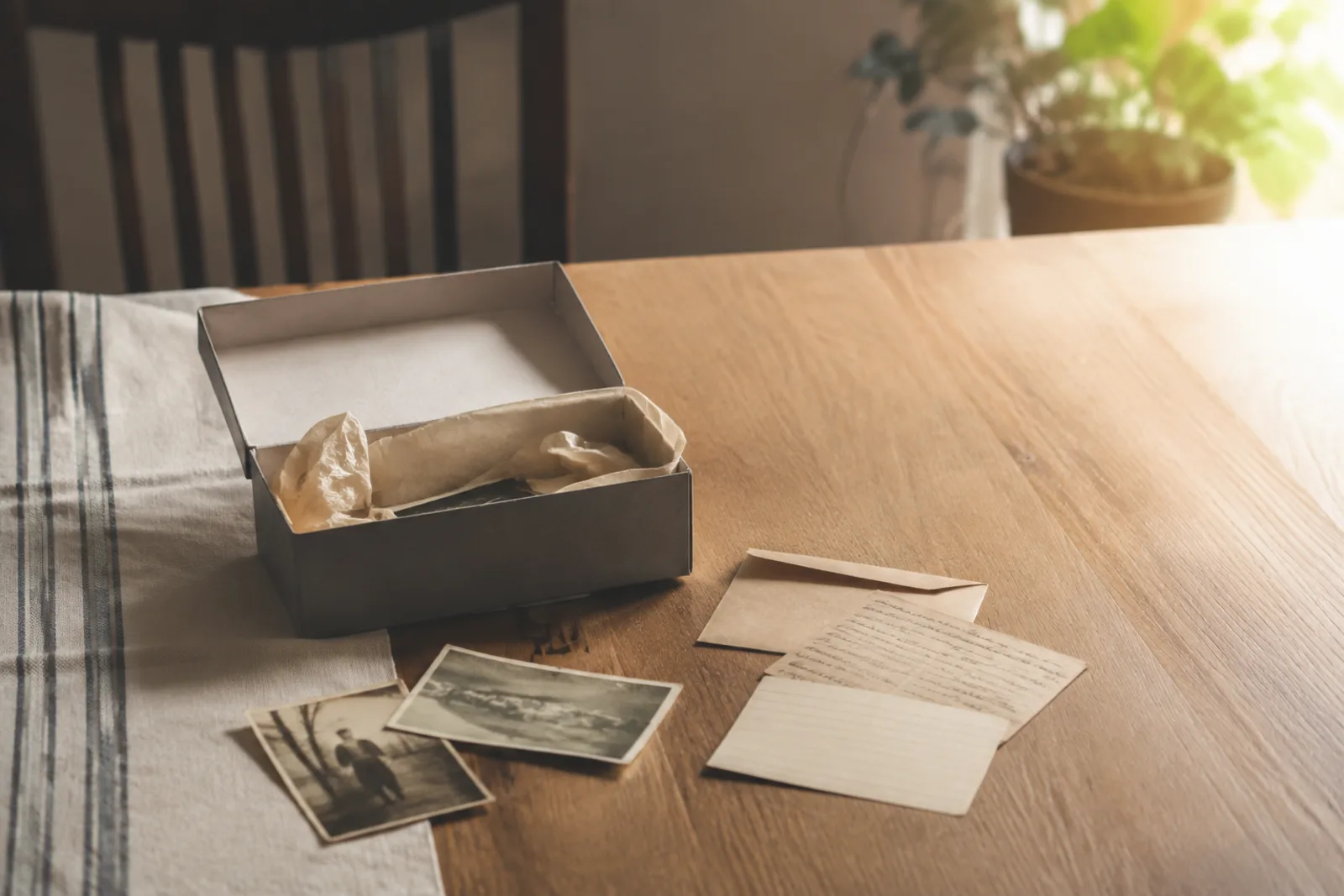
On this pageSeparate what you know from what the family repeats
Knowing almost nothing is a valid starting point. It simply changes the first job. Do not begin by searching a German surname across millions of records. Begin by turning a vague family statement into one identifiable person in a known American place.
The immediate goal is modest: find the nearest ancestor for whom you can assemble a name, family group, approximate dates and residence. Once that person is stable, you can move backward. Until then, a German match is more likely to be a same-name stranger than an ancestor.
Separate what you know from what the family repeats
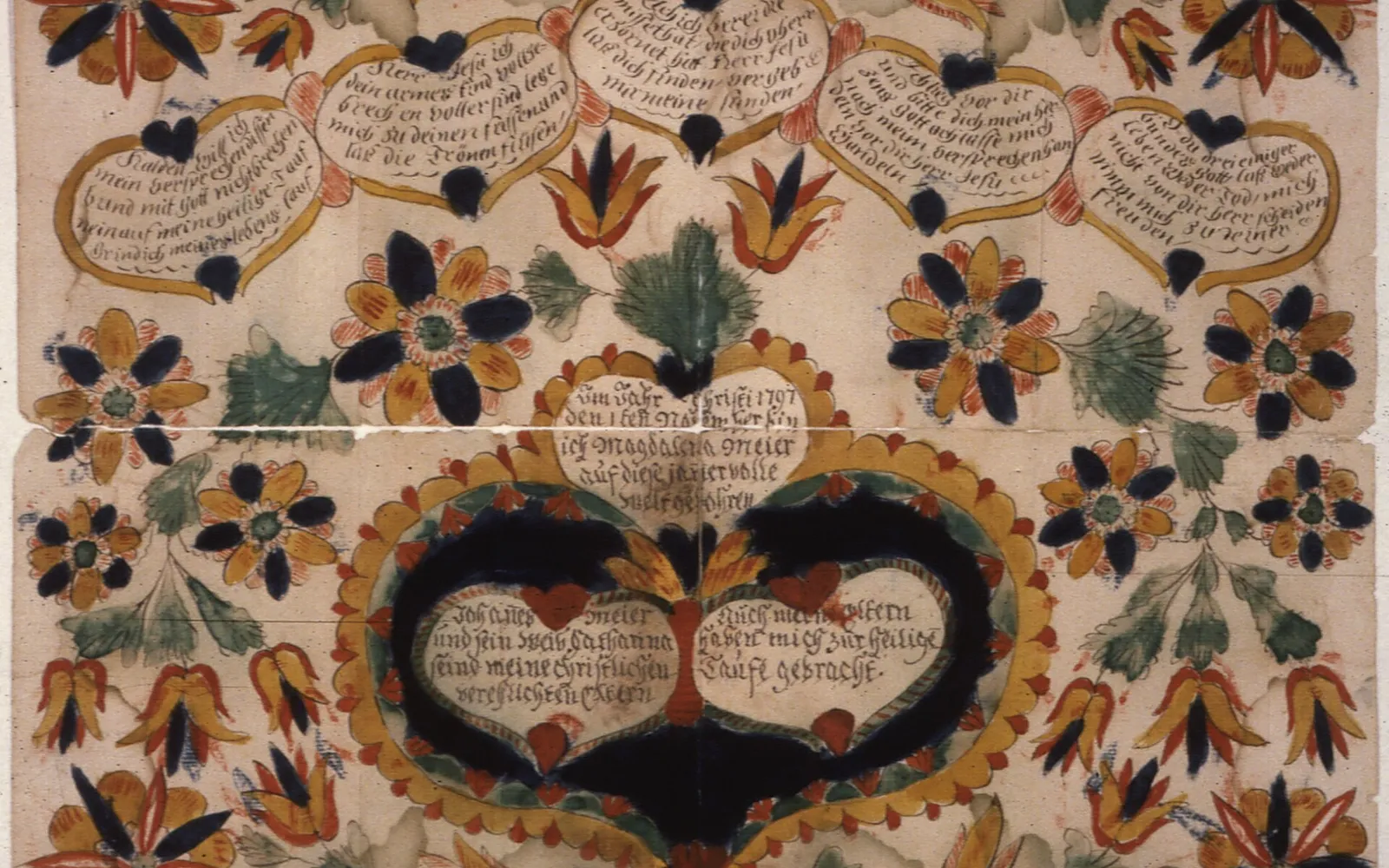
Label every early clue
- Known fact
- A detail supported by a record or by direct knowledge that can be explained and checked.
- Family memory
- Something a relative remembers or was told. Preserve the wording and the speaker, but do not call it verified.
- Family artifact
- A photograph, letter, certificate, Bible entry, funeral card or other item held by the family.
- Working hypothesis
- A possible identity, relationship or place that guides the next search but is not yet placed in the confirmed tree.
This labeling prevents a common early mistake: a story such as “our family came from Bavaria” becomes a precise birthplace on an online tree even though no source ever named a town. Family memory deserves to be saved. It also deserves an honest label.
If your main need is to record stories and family-held material before they disappear, use How to Preserve Your German Family Story first. That page deliberately stops before formal genealogy. This guide starts where the evidence triage begins.
Search the house before searching Germany
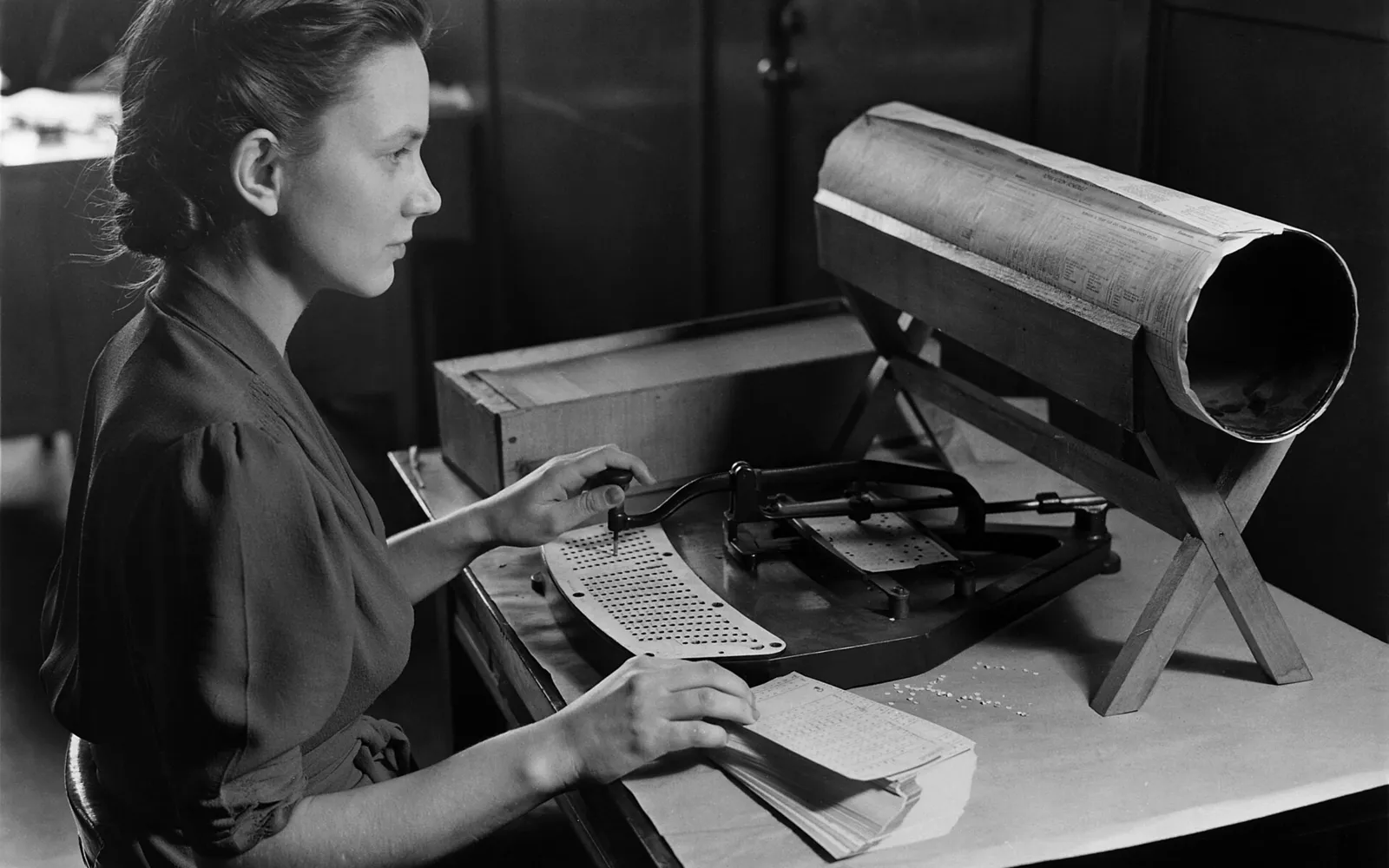
You do not need equipment before opening the first box. If the family material includes loose photographs or flat papers that can be handled safely, a flatbed scanner can create working copies without feeding originals through rollers. Photo-safe storage can protect the originals after you record their current order and labels. For a relative who is willing to talk, a tested phone tripod or a simple recorder can capture the conversation while leaving you free to listen; always ask permission before recording.
Browse Flatbed Photo Scanners
Search Amazon for flatbed scanners and compare scan area, optical resolution, software compatibility, file formats, seller, and returns.
Best for: Families scanning loose photographs, letters, and documents that fit safely on a flat bedBrowse Acid-Free Photo Storage
Search Walmart for photo-safe boxes and sleeves, then compare materials, dimensions, capacity, seller, and return terms.
Best for: Families organizing loose photographs after documenting their original orderBrowse Digital Voice Recorders
Search Amazon for a recorder and compare controls, supported file formats, battery life, storage, and computer transfer.
Best for: Families recording a focused conversation in a quiet roomBrowse Phone Tripods
Search Walmart for an adjustable phone tripod and compare device fit, height, stability, controls, seller, and return terms.
Best for: Families recording a seated video interview with a phone they already know how to useThe first evidence sweep
- Full names and maiden names
Ask for middle names, nicknames, previous surnames and spellings used on documents.
- Approximate life dates
A decade or age range is enough to begin; mark it as approximate.
- Places in the United States
Record towns, counties, churches, cemeteries, schools, employers and street addresses.
- Close relatives
List spouses, children, siblings, cousins and anyone repeatedly described as an aunt or uncle.
- Photographs with context
Scan front and back; note who identified each person and when.
- Documents and keepsakes
Look for certificates, obituaries, funeral cards, letters, passports, military papers, naturalization papers and family Bibles.
- Language and religion clues
Record church affiliation, German phrases, prayer books or newspapers without assuming they prove a birthplace.
- The informant
For every memory, write down who said it and whether they witnessed it or heard it later.
Do not reorganize or “correct” original material while gathering it. Photograph a certificate before removing it from an album. Preserve an unfamiliar place spelling. Keep the envelope with the letter. Context can identify a document that seems meaningless by itself.
Use one focused first session
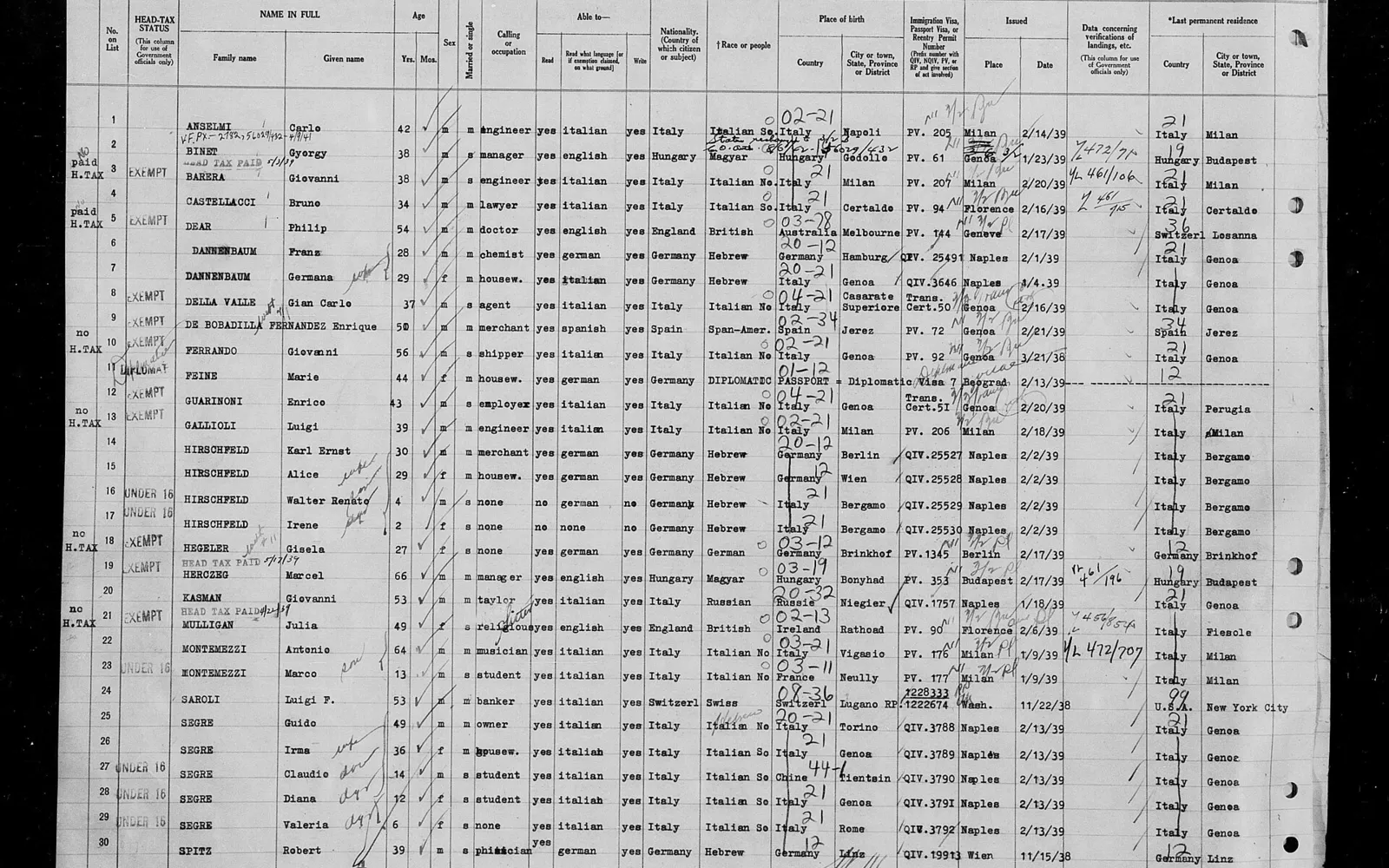
A practical first 90 minutes
This sequence is designed for a reader with no established tree and only a broad German connection.
Write the exact sentence you currently believe
For example: 'My mother said her grandfather was born in Germany and lived near St. Louis.' Put quotation marks around family wording and name the person who said it.
Choose the closest person in that chain
Start with your mother, her parent or the great-grandfather only if you can identify him. Do not leap to an unknown German generation.
Build a one-family worksheet
List the target person, spouse, children, siblings, residences and approximate dates. Blank fields become research questions.
Find one recent record
Look for an obituary, death certificate, marriage record, cemetery entry or census record that can confirm the household and point to an earlier generation.
Compare before adding
Check whether age, spouse, children and location fit. If several people match, keep candidates separate.
Write the next question
End with one task such as locating the target in the 1950 census or finding a marriage record naming parents.
The National Archives recommends beginning with yourself, gathering names, dates, places and relationships, and working toward the unknown. Census records are especially useful for reconstructing households and working backward because later publicly available censuses can show names, ages, relationships, birthplaces, immigration information and addresses, although the exact questions vary by year.
Start with the most recent relevant census in which the family should appear, then move backward. The purpose is not to collect every census immediately. It is to verify that the same family occupied the expected place and to find the next earlier identity.
Choose the right first person
The oldest person in a family story is not always the best first target. Choose the person with the strongest combination of:
- a known relationship to you;
- a spouse or children you can name;
- a reasonably narrow time period;
- a U.S. town or county;
- at least one record you can seek.
Suppose the only story is “Great-Grandpa Weber came from Germany.” If you know his daughter was Anna Weber, married to Charles Brown in Milwaukee, Anna may be the better starting person. Her marriage or death record, obituary and census household may identify her father more clearly than a global search for German Webers.
This parent-to-child approach feels slower than clicking a matching public tree. It is much faster than spending weeks on the wrong Weber family.
Do not let a surname choose the ancestor
A German-looking surname may have several spellings, may have changed in America, or may not belong to the immigrant line you expect. A surname distribution page can show where a name occurs; it cannot show which occurrence is your family. The same is true of a commercial coat of arms and a DNA ethnicity estimate.
Zero-information safeguards
Do
- Save every spelling as a clue tied to the source where it appeared.
- Build from a child to documented parents, one connection at a time.
- Search spouses, siblings and associates when the target name is common.
- Use broad date ranges until records justify precision.
- Keep two plausible candidates separate until evidence distinguishes them.
Avoid
- Select a German birthplace because it appears on the first matching tree.
- Assume everyone with one surname descends from one family.
- Treat a crest, surname meaning or ethnicity estimate as lineage evidence.
- Discard a record because the name spelling or age is slightly different.
- Search German church or civil records before you have a locality and identity to test.
Know when you have enough to move into genealogy
Your starting file is ready
- One target is clearly related to you
The path from you to the target has no unexplained generation.
- The target has a family group
At least a spouse, child, sibling or parent helps distinguish the person.
- A U.S. location and period are known
You can choose a jurisdiction and likely record set.
- Facts and memories are labeled separately
The tree does not present family wording as documented fact.
- At least one record has been inspected
You have more than a search-result name or copied public tree.
- The next question is specific
You know which relationship, event or place you are trying to establish.
At this point, read German Genealogy for Beginners for the evidence and jurisdiction concepts, then move into How to Trace Your German Ancestry for the full American-to-German workflow. Keep the research checklist for later audits rather than trying to complete it on day one.
The first breakthrough is not a village on a German map. It is knowing exactly which person you are trying to place there.
A simple roots keepsake
Celebrate the connection as you document it
The design expresses German roots; the records, interviews and citations establish the family story behind them.

Frequently asked questions
Common questions
What if no living relative knows anything?
Begin with your own certificates and the most recent deceased relatives. Obituaries, death records, marriage records, cemetery records and recent public censuses can rebuild the family group even when oral history is unavailable.
Can a DNA test tell me which German ancestor to research?
It may suggest genetic matches or broad ancestry patterns, but it does not by itself establish the identity, parent-child path or exact German locality of a specific ancestor.
Should I search my surname in Germany first?
Usually no. A surname search produces many unrelated candidates. First identify a documented American ancestor, family group, place and period, then search for the specific European locality.
What if every record gives only Germany as the birthplace?
Search collateral relatives, spouses, church records, naturalization files, passenger lists, obituaries and later records of children. One member of the family or community may name the town more specifically.