
On this pageLager met an expanding urban audience
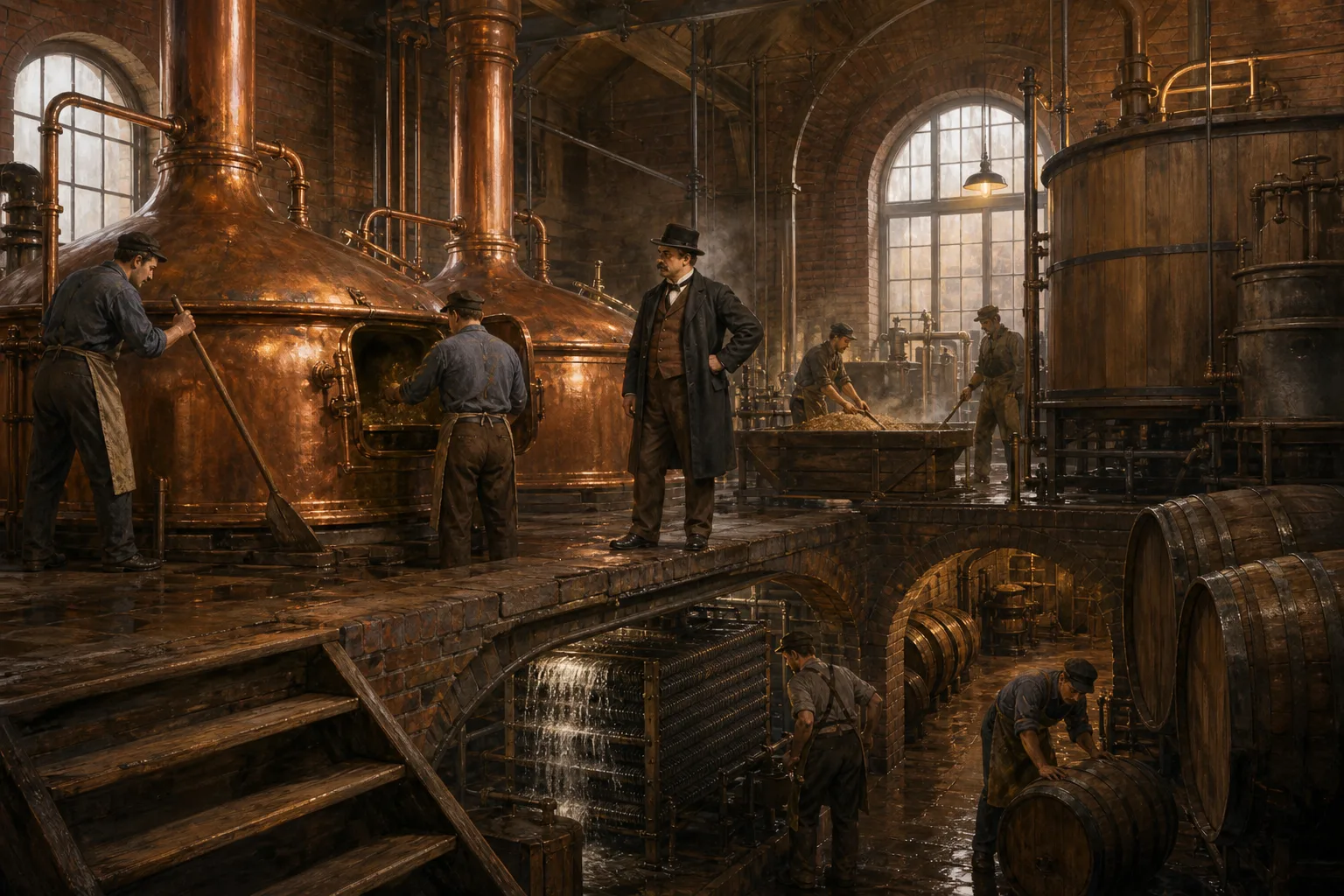
German immigrant brewers changed American beer most visibly by helping lager move from an immigrant preference to a national product. They also built breweries, beer gardens, distribution networks and urban businesses that shaped how Americans drank and socialized.
The story is larger than a recipe crossing the Atlantic. Lager’s rise depended on cold storage, transportation, capital, advertising, labor and growing cities. German brewing knowledge mattered inside that system, not outside it.
The industry followed the population centers mapped in where German immigrants settled.
Brewing terms that matter in this history
- Lager
- Beer fermented with lager yeast, traditionally at cooler temperatures and then conditioned in cold storage.
- Ale
- Beer fermented with ale yeast, generally at warmer temperatures; many early American beers belonged to this broad family.
- Beer garden
- An outdoor or semi-outdoor social space serving beer and food, often connected to music, families and community gatherings.
- Tied house
- A drinking establishment financially connected to a brewery and expected to sell that brewery's products.
Lager met an expanding urban audience
Beer existed in North America long before the large German immigration waves. British and colonial brewing traditions were established, and local producers used available grain, hops and equipment.
German-speaking immigrants brought stronger demand for lager and practical knowledge of brewing and storing it. In cities with large German populations, breweries could sell to customers already familiar with the style.
Lager differed from many common ales in fermentation and conditioning. Historically, keeping it cool required cellars, ice and careful timing. That technical demand initially tied production to seasons and places where cold storage was possible.
How German-American brewing reshaped the market
Lager gained a larger American market
German-speaking immigrants brought brewing knowledge and demand for bottom-fermented beer to expanding cities.
Breweries grew with cities
Cold storage, rail distribution, bottling and capital helped regional firms become large industrial producers.
War and Prohibition pressure mounted
Anti-German sentiment, wartime controls and national Prohibition disrupted a heavily German-American industry.
National Prohibition ended
Breweries reopened under new regulation, but many smaller firms had disappeared.
Craft brewing revisited older styles
New breweries revived interest in lager traditions while also expanding beyond the industrial model.
Cold storage turned a seasonal challenge into an industry
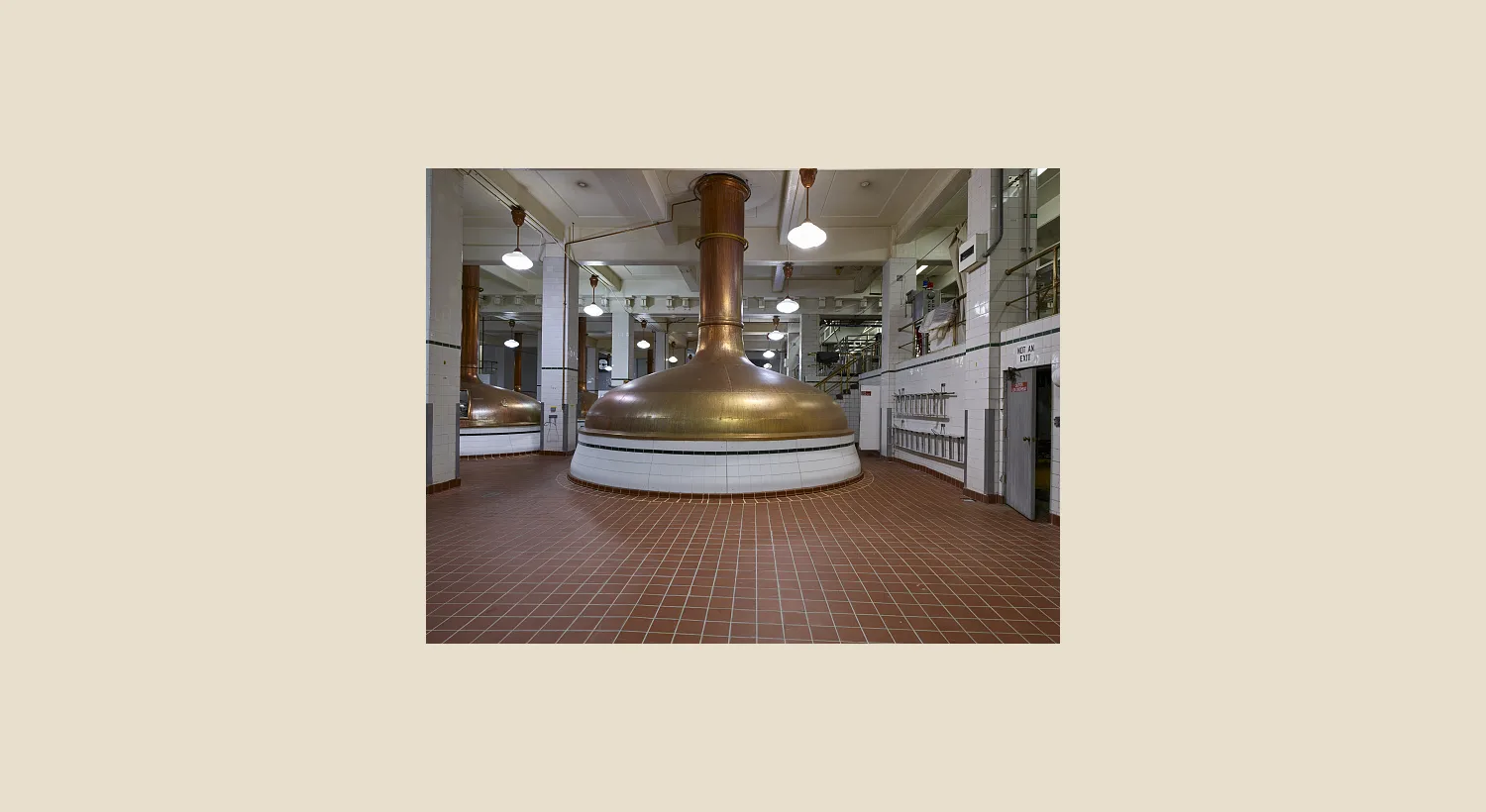
Early lager brewers used caves, cellars and harvested ice to maintain lower temperatures. Those methods required labor and suitable geography. They also limited how much beer could be produced and how consistently it could be supplied.
Mechanical refrigeration changed the economics. Breweries could control temperature more reliably and produce through more of the year. Refrigerated railcars and improved transport widened markets.
These technologies were not the invention of one ethnic group. German-American brewers were important adopters and investors because lager made temperature control especially valuable. Their contribution was partly technical judgment: they recognized which systems would allow a familiar product to scale.
Brewing became a major urban business
Breweries belonged to the larger network of halls, newspapers, churches and businesses described in how German-American communities were built.
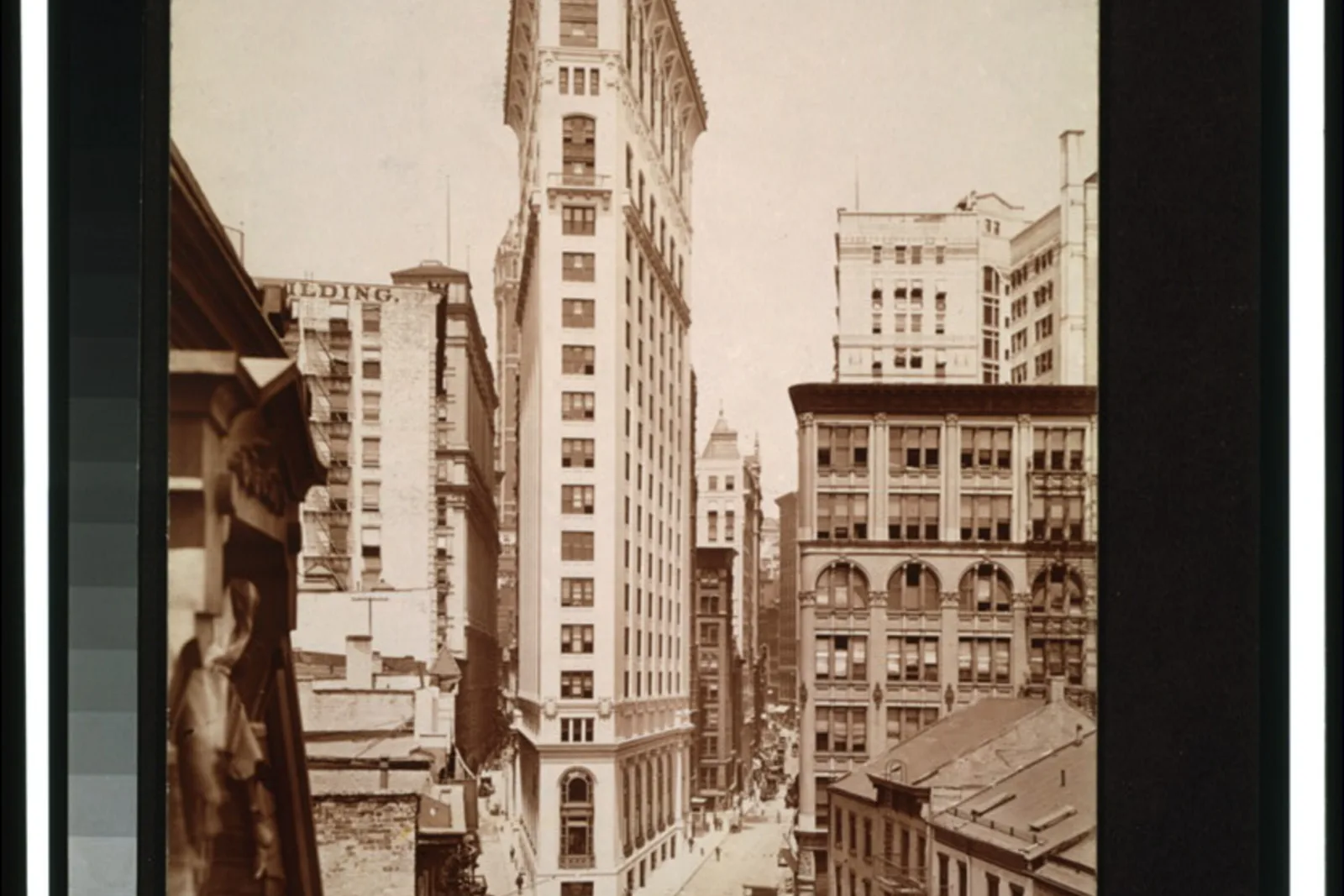
Large breweries employed brewers, coopers, wagon drivers, bottlers, mechanics, clerks and sales staff. They purchased grain, fuel, glass, metal and transportation services.
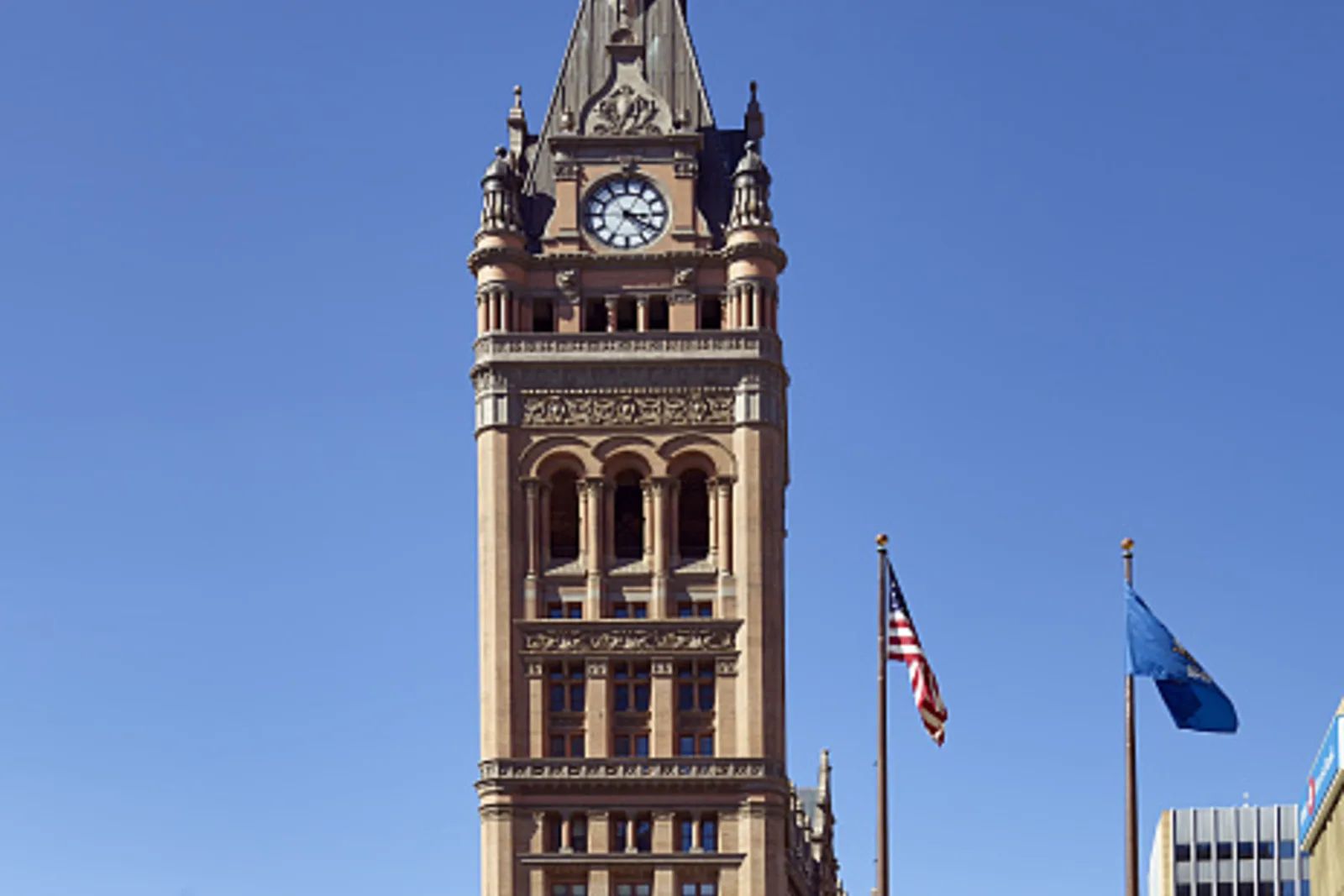
In cities such as Milwaukee, St. Louis, Cincinnati, Chicago and New York, breweries became visible industrial landmarks. Some founders rose from skilled immigrant trades to substantial wealth. Their success supported civic influence, political relationships and philanthropy.
That upward story should not hide labor conflict. Brewery work could be hot, heavy and dangerous. Owners and workers did not share identical interests simply because both had German backgrounds. Unions, wage disputes and changing production methods belonged to the industry too.
Beer gardens joined commerce with community life
Beer gardens offered more than alcohol. Many included food, music, trees, tables and space for families. They fit forms of German associational life while adapting to crowded American cities.
Some temperance reformers viewed these spaces as disorderly; some German-American defenders presented them as moderate alternatives to solitary or hard-liquor drinking. Both descriptions could be strategic.
The social meaning varied by place. A garden could be a neighborhood gathering space, a commercial extension of a brewery, a concert venue or all three at once.
Branding helped regional breweries become national names
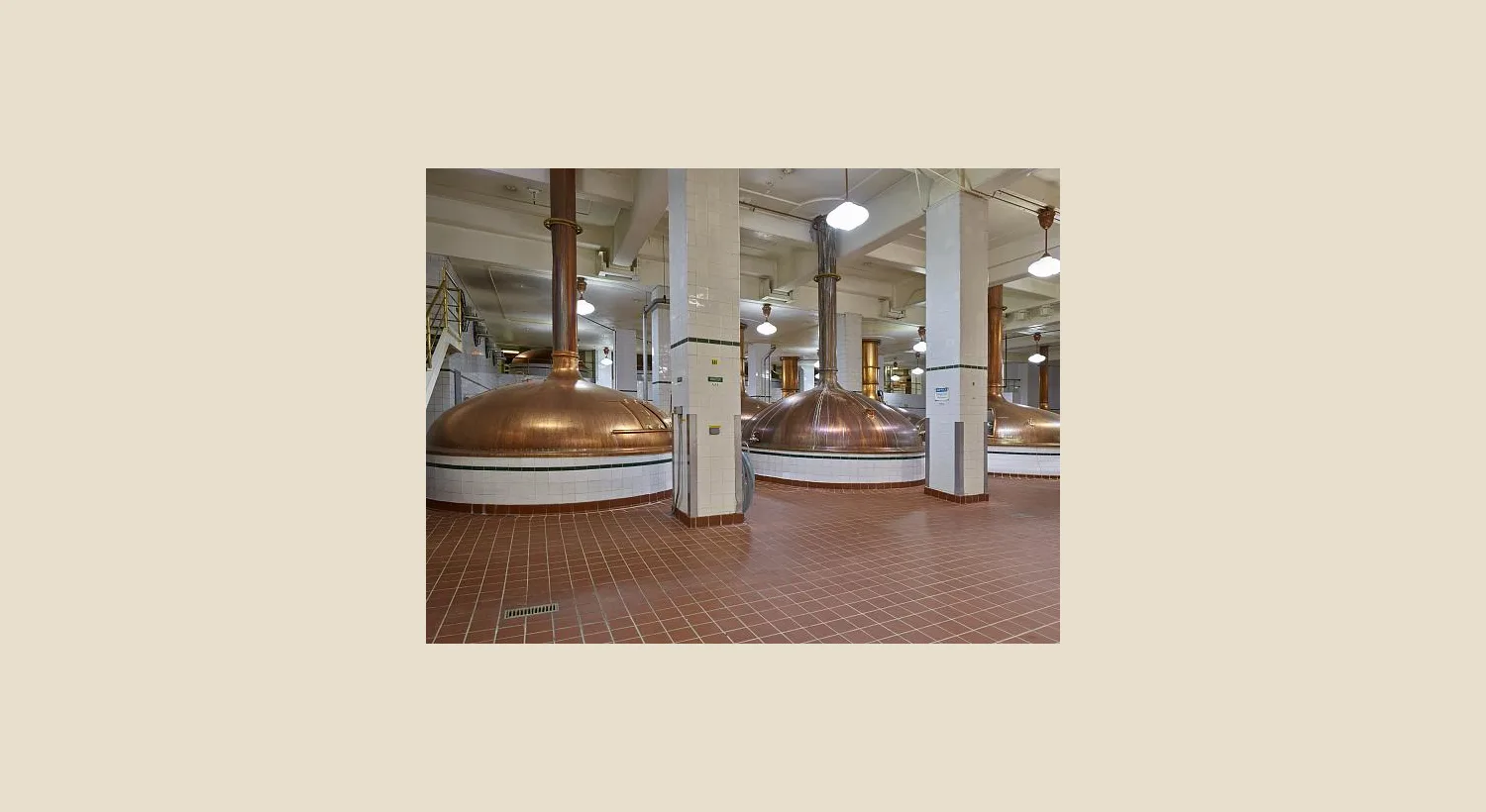
As breweries grew, they sold identity as well as beer. Labels, signs, sponsored saloons and distribution agreements made a brewery visible beyond its immediate neighborhood.
Tied houses gave breweries reliable outlets but also drew criticism because producers could influence local drinking establishments. Advertising often used images of purity, tradition and modern technology together.
German names could initially signal brewing authority. During World War I, the same names could become liabilities. This reversal shows how quickly ethnic branding could shift under political pressure.
German brewers influenced American beer without creating it alone
German immigrants introduced beer to America.
Beer was brewed in North America earlier, but German-speaking brewers greatly expanded lager and the industrial systems around it.
The major change was market scale, style preference and institution building rather than the first appearance of beer.Large breweries succeeded only because their beer was better.
Technology, transportation, capital, advertising, regulation and control of outlets all shaped growth.
Product knowledge mattered, but industrial power was broader than brewing technique.The industry helped define “American beer”
By the late nineteenth and early twentieth centuries, pale lager increasingly became the default image of beer in the United States. Large producers pursued consistency and broad appeal.
That development created a national market but narrowed style diversity. Consumers far from German neighborhoods could purchase similar beer, while local ales and smaller breweries faced stronger competition.
Calling the result “German beer” would be misleading. The product was manufactured in American cities, adapted to American grain, distribution and regulation, and sold to a national audience. It was a German-influenced American industry.
World War I made German identity commercially dangerous
Public-facing brand changes paralleled the household and business decisions traced in German surname changes.
When the United States entered the war, German-American businesses faced suspicion. Breweries were vulnerable because prominent owners, brands and social institutions were visibly German.
Temperance advocates could connect brewing with foreign influence. Wartime grain restrictions and political attacks weakened the industry before national Prohibition began.
Not every brewery experienced the same pressure, and anti-alcohol activism had a long independent history. The war gave that movement a powerful new language of patriotism.
Prohibition destroyed continuity
National Prohibition began in 1920. Breweries tried to survive by producing near beer, soft drinks, ice, food products and other goods. Some succeeded; many did not.
When Prohibition ended in 1933, the industry did not simply return to its previous structure. Capital requirements, new regulations and lost facilities favored firms able to restart at scale.
The disappearance of many local breweries weakened old neighborhood relationships. A brand might survive while the beer garden, workforce and family ownership behind it vanished.
Postwar consolidation changed the legacy again
During the mid-twentieth century, a smaller number of large breweries dominated national distribution. Their light lagers descended partly from nineteenth-century German-American brewing, but the corporate system was far removed from immigrant neighborhood enterprises.
Later craft breweries revived interest in older styles, local identity and small-scale production. Some explicitly celebrated German brewing traditions; others used them as one influence among many.
The revival should not be mistaken for a simple restoration. Modern ingredients, equipment, regulations and consumer expectations create a different brewing world.
What German brewers actually changed
Their strongest legacy has four parts.
First, they expanded lager until it became central to the American market. Second, they invested in the cold storage and distribution needed to produce it reliably. Third, they created social and commercial institutions around beer. Fourth, their businesses became major examples of immigrant entrepreneurship and later targets of wartime Americanization.
None of those achievements requires claiming that every important brewer was German or that every industrial innovation came from Germany.
Why the history is more than a brand story
Famous brewery names can make this history look like a list of successful founders. The deeper story includes workers, neighborhoods, public health debates, family spaces, temperance activism and federal power.
Beer became a place where arguments about ethnicity, leisure, masculinity, family life, labor and citizenship met. German-American influence was substantial because brewing touched so many parts of urban life.
A careful history can recognize that contribution while keeping alcohol’s social costs and the diversity of American brewing in view.
Regional examples should not become a single national model
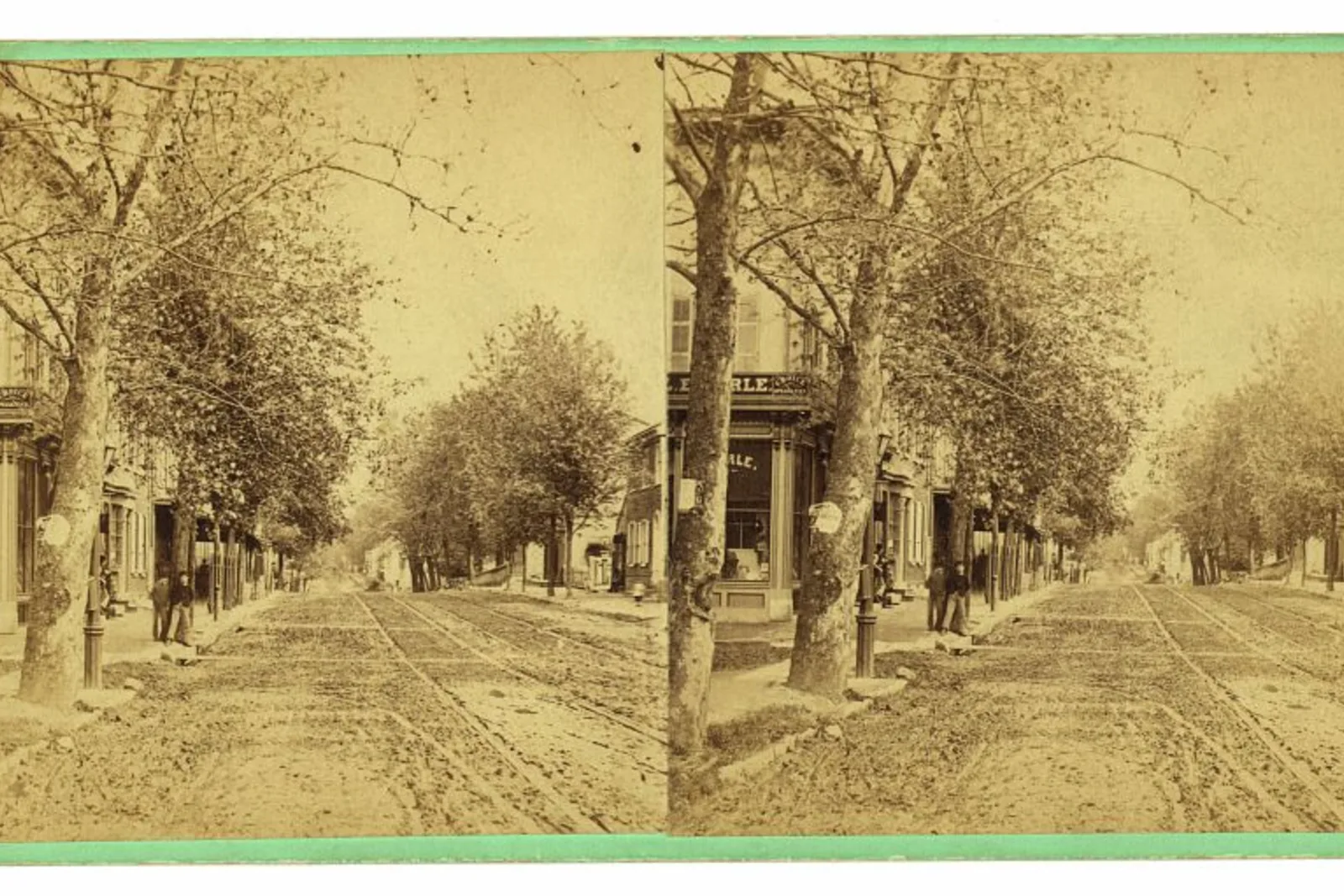
Milwaukee is often treated as the natural center of German-American brewing history, while St. Louis, Cincinnati, Chicago, New York, Baltimore and other cities also developed important industries. Their breweries operated under different water supplies, transportation networks, labor markets and local laws.
The largest companies leave the most records and recognizable names, but they were not typical of every brewer. Small neighborhood breweries, saloon suppliers and family firms may have served limited markets without becoming national brands. Their disappearance during consolidation and Prohibition can make the past look more concentrated than it was.
A useful history therefore compares scale. The immigrant craft brewer, the regional industrial brewery and the later national corporation belonged to related but different economic worlds.
Brewing knowledge moved through workers as well as owners
Founder biographies can hide the circulation of skill. Brewmasters, maltsters, coopers, engineers and mechanics carried knowledge between firms. Workers adapted European practice to American grain, fuel, equipment and climate.
This movement of labor made the industry more than a collection of family dynasties. A successful brewery depended on people who rarely appeared in advertising and whose names may survive only in payrolls, union records, directories or census schedules.
German-language workplaces could preserve technical vocabulary and recruitment networks. Over time, English became more common, and expertise no longer required a German identity. The knowledge remained embedded in the industry after its ethnic visibility declined.
Regulation shaped the market before and after Prohibition
Licensing, taxation, Sunday-closing rules and local-option laws affected where breweries could sell. Temperance campaigns were not merely reactions to German immigration; they drew on religious, public-health, gender and political movements with their own histories.
German-American brewers often opposed prohibition because it threatened their businesses and social institutions. Their resistance could reinforce the public association between beer and German identity. During World War I, opponents used that association strategically.
After repeal, the new regulatory system separated producers, distributors and retailers in ways that changed older brewery relationships. The post-1933 industry was therefore not simply the pre-1920 industry reopened.
The cultural legacy includes moderation debates
German-American defenders of beer gardens sometimes contrasted sociable beer drinking with isolated consumption of stronger liquor. That argument presented food, music and family presence as forms of moderation.
It should not be accepted uncritically. Commercial interests benefited from an image of respectable drinking, and alcohol caused harm in German-American communities as elsewhere. Still, the debate changed American ideas about where and how drinking occurred.
The legacy of German brewers is therefore not only a style of beer. It includes industrial organization, urban leisure, labor, regulation and a long argument over whether public sociability could make alcohol safer or more acceptable.
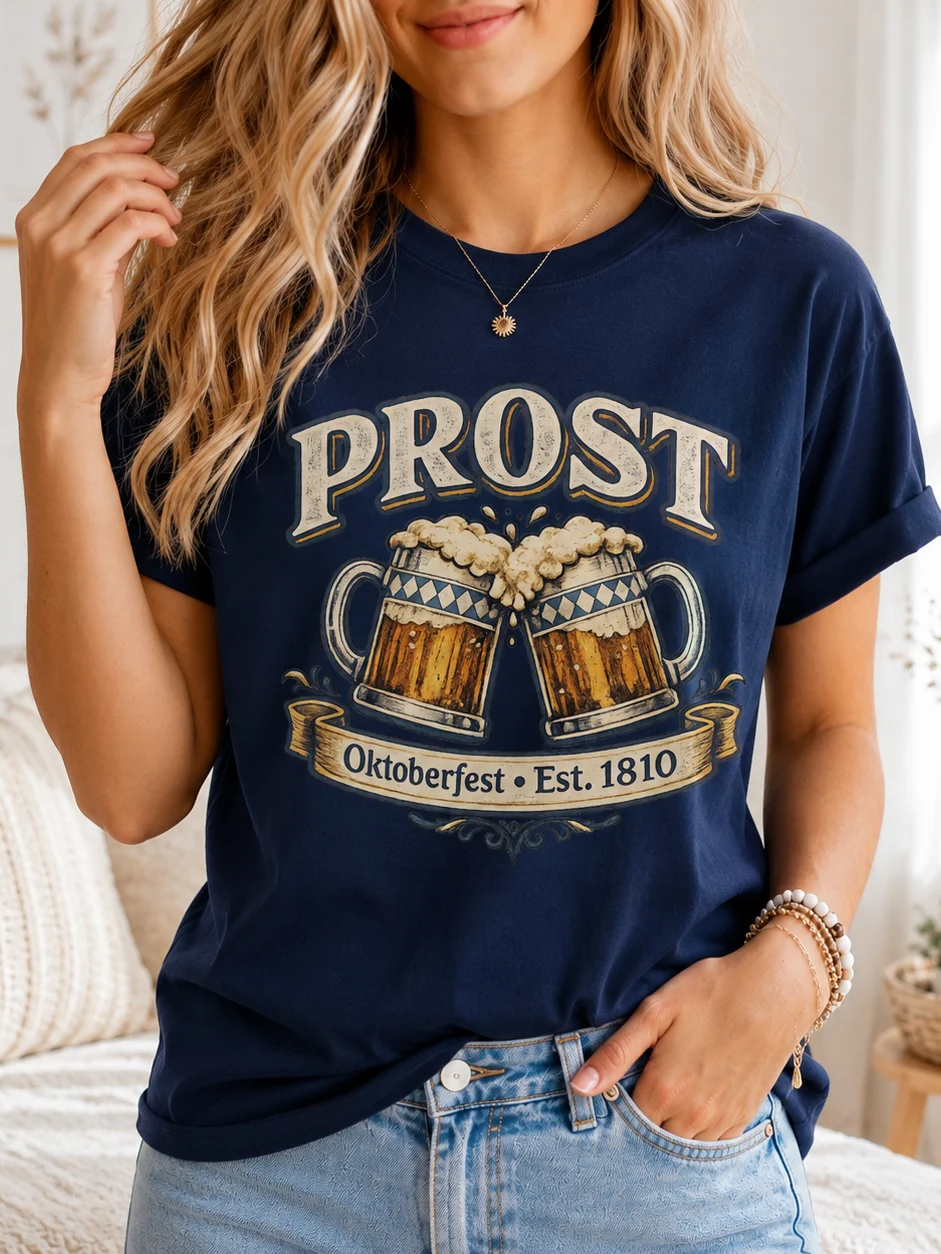
Modern festival wear after the industrial history
Beer-culture designs from the MottoFox shop
These modern shirts celebrate social beer culture; they are not historical brewery merchandise.

Frequently asked questions
Common questions
Did Germans introduce beer to America?
No. Beer was brewed earlier, but German-speaking brewers greatly expanded lager and the industrial systems around it.
Why did lager become dominant?
Immigrant demand, refrigeration, transportation, capital, advertising and broad consumer appeal all contributed.
Did Prohibition affect German-American breweries differently?
The industry was heavily German-American and wartime hostility intensified pressure, but temperance and regulation had broader roots.